


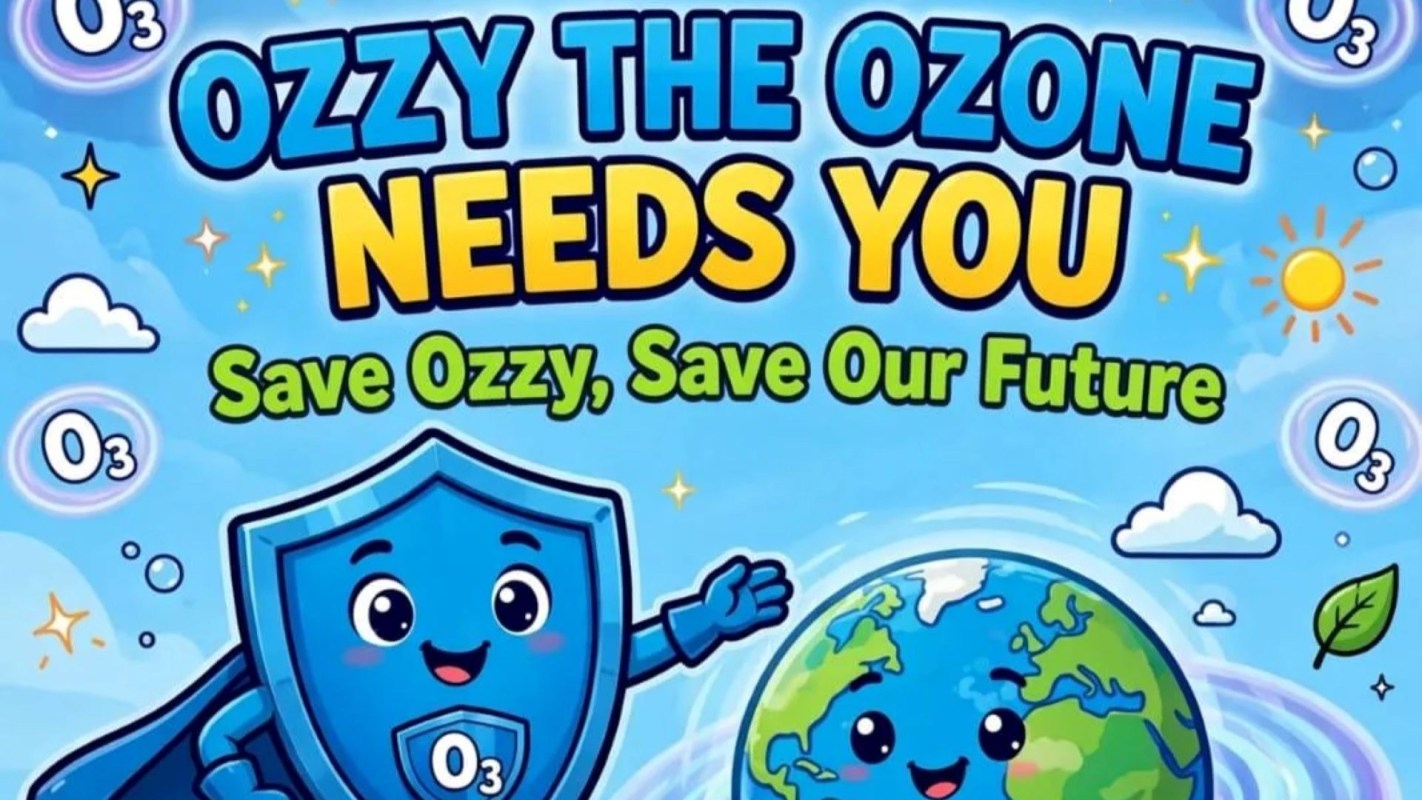
A biology assignment meant to teach students about protecting the ozone layer is drawing backlash over an irony many readers found hard to ignore.
The project reportedly required kids to use AI, which critics said undermined both the creativity of the exercise and the environmental message behind it.
Here's what to know
In a post on the subreddit r/MildlyInfuriating, one user shared an AI-generated biology assignment their brother received for World Ozone Day on Sept. 16.
"The cherry on top is that his teacher instructed him to use ChatGPT to make another poster with the following instructions," the poster wrote before copying the instructions.
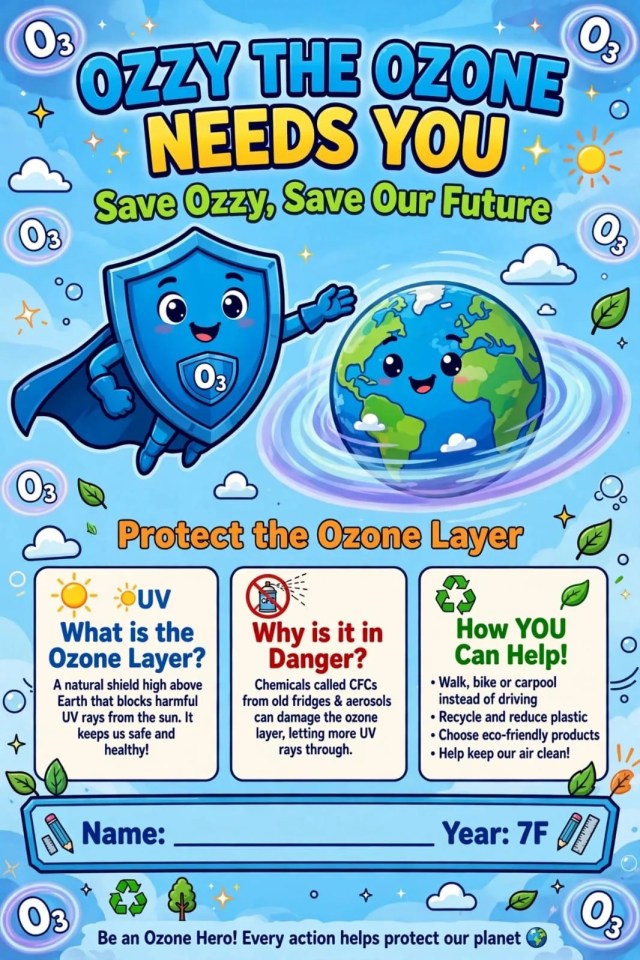
Under the title "Ozzy the Ozone Needs You," students were told to make a colorful, one-page poster and put their name at the bottom. The instructions also directed them to "Use AI tools / Canva," and said the poster should explain who Ozzy is, why the ozone layer matters, and how "WE can protect it."
Commenters quickly seized on what they saw as a contradiction between an environmental lesson and a requirement to generate the poster with AI tools.
TCD Picks » Quince Spotlight
💡These best-sellers from Quince deliver affordable, sustainable luxury for all




One commenter wrote, "None of the things listed to 'help' have anything to do with the ozone layer..."
Another added, "Sounds like writing their name is the hardest part of the assignment."
The criticism centered on schools pushing generative AI into classwork that many people believe should instead build research, writing, and hands-on creative skills.
More background
The ozone layer is more than a classroom theme. It plays a crucial role in protecting life on Earth by filtering harmful ultraviolet radiation from the sun.
Several commenters said the assignment appeared to miss the point of both subjects.
Another wrote, "Save the environment. Stop generating AI slop."
Critics worry that requiring AI for school projects can reduce opportunities for students to practice original thinking and engage more directly with the topic they are supposed to be learning.
What can be done?
Teachers can introduce AI as an optional tool while still giving students room to make posters by hand, do their own research, and explain their thinking in their own words.
Assignments about environmental topics can also be stronger when they connect students to real-world action. In the case of the ozone layer, that could mean learning how certain chemicals damaged it and what policies and daily choices actually help protect it.
Where can I learn more?
The uproar over an AI-crafted assignment highlights the debate about how much schoolwork students should actually do themselves, and what generative tools cost behind the scenes. The articles below look at that tension from a few angles, from professors cracking down on ChatGPT to AI's water use and fights over how climate issues are taught in schools to begin with.
• A theater professor warned that students caught using ChatGPT could fail the class outright.
• Behind ChatGPT, hundreds of thousands of gallons of water are being consumed by AI systems.
• In Florida, officials sparked outrage after concerning calls they received about climate language in textbooks.

Get TCD's free newsletters for easy tips, smart advice, and a chance to earn $5,000 toward home upgrades. To see more stories like this one, change your Google preferences here.






