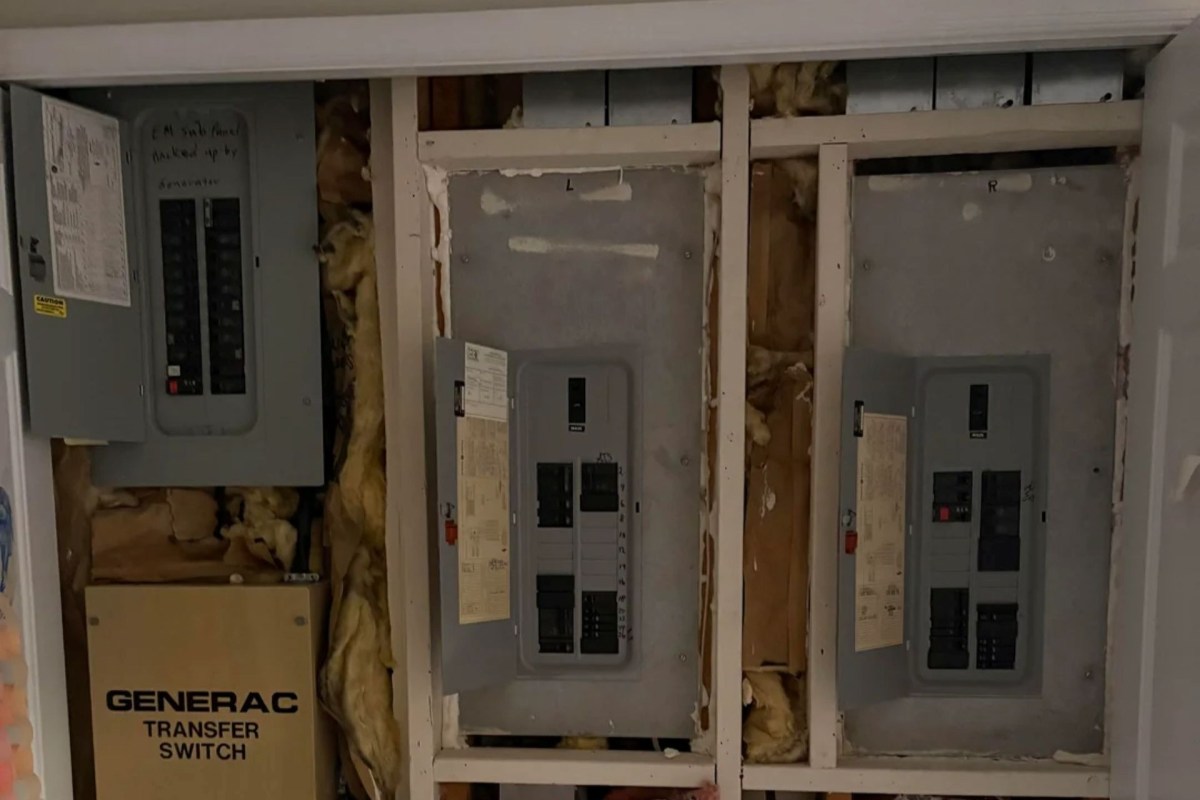
A whole-home generator is supposed to help when severe weather knocks out the grid.
For one homeowner, however, an old generator setup became the problem, leaving much of the house without power during a storm while the basement lights stayed on.
Here's what to know
The problem surfaced in a post to Reddit's r/askanelectrician community, where the homeowner said the standby generator was no longer in use. Even so, a large share of the home's electrical setup was still routed through that equipment.
As the storm passed through, the original poster wrote that "something made a big bang, and everything that would normally be powered through the generator are off and won't come back on." Meanwhile, the basement lights, which were not connected to the generator, kept working, suggesting the home had not lost utility power across every circuit.

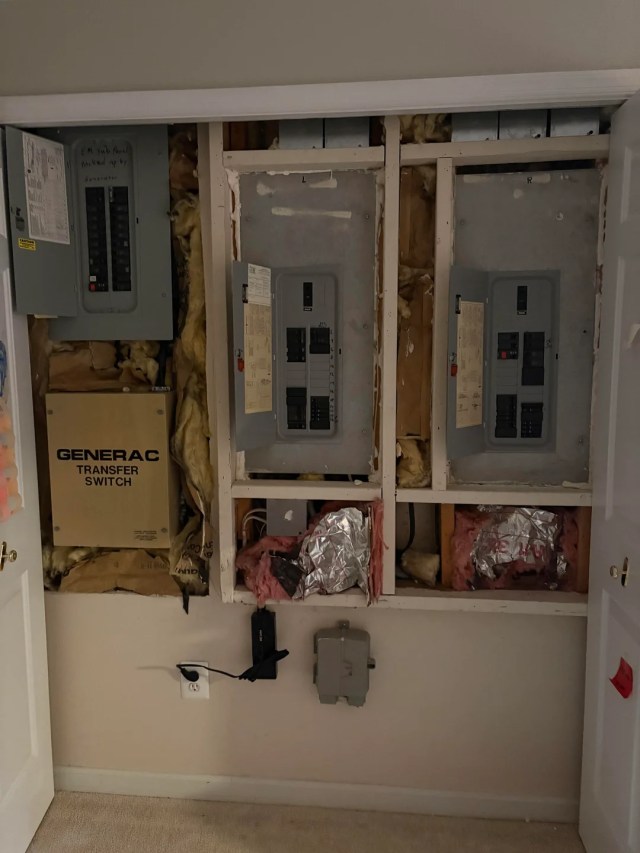
Commenters focused on the switch that manages the changeover between utility and generator power.
"Is there a transfer switch that turned the power from utility to generator and never switched back?" one asked, while another wrote, "Sounds like it transferred and didn't switch back to utility."
TCD Picks » Quince Spotlight
💡These best-sellers from Quince deliver affordable, sustainable luxury for all




That line of thinking helped. After trying a reset sequence, the OP reported: "I turned off all the generator switches, then (learned about and switched off) the ATS in the other panel. Waited a while and switched the generator panel items back on and then the ATS, and it worked!"
More background
Such an issue can initially resemble an ordinary power outage, even when the actual trouble is inside the home's backup-power arrangement. An automatic transfer switch, or ATS, is meant to shift a house from utility service to generator power and then return it once normal conditions resume.
Because of that, a generator that has been retired can create problems if it remains wired into the home. When the switchgear tied to that system fails or gets stuck, it can become the point where service is interrupted.
Where can I learn more?
This outage showed how backup-power systems can create their own problems. The articles below look at new ways people are keeping homes powered during storms and blackouts.
• In Texas, home microgrids keep power flowing as intensifying storms batter the grid.
• Pila Energy wants to plug in a home battery for seamless outage protection.
• In Florida, a sun-powered community microgrid was built to reduce blackout risk.
Across these examples, the lesson is that backup power works best when the system is well designed and properly maintained. For homeowners dealing with aging generator equipment, it may be smart to repair it, remove it, or upgrade to something newer.

Get TCD's free newsletters for easy tips, smart advice, and a chance to earn $5,000 toward home upgrades. To see more stories like this one, change your Google preferences here.