


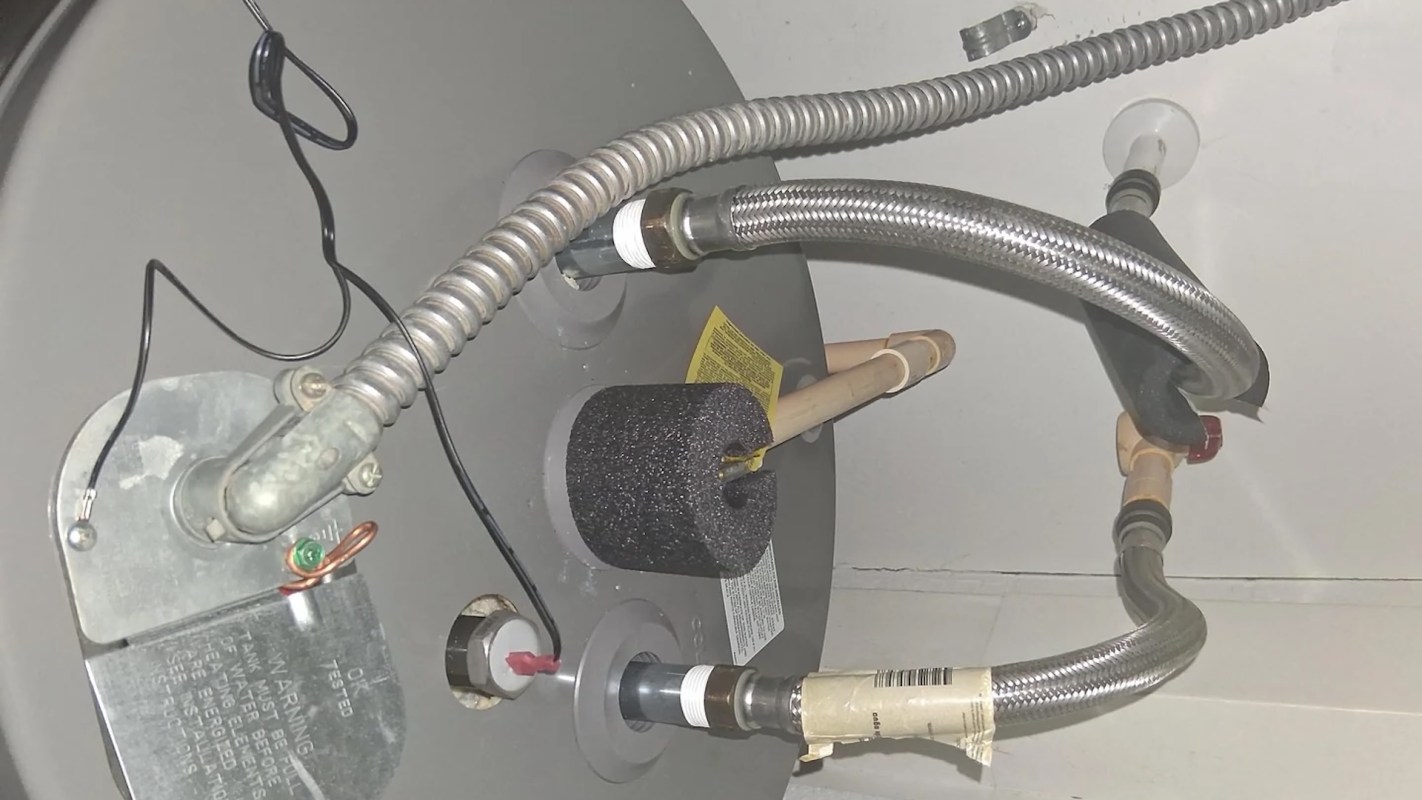
A homeowner in southwest Florida says they are facing a fourth water heater replacement in 12 years after spotting water in the tray under the current unit, raising the question of whether repeated leaks are being caused by the appliance itself or by well water, system pressure, or heat in the setup.
There may be one silver lining if a replacement can't be avoided: Upgrading to a heat pump water heater can dramatically cut electricity use compared with a standard electric tank.
Here's what to know
A homeowner in southwest Florida brought that question to Reddit's r/askaplumber after spotting "a small amount of water in the tray" under a unit that appeared to be failing.
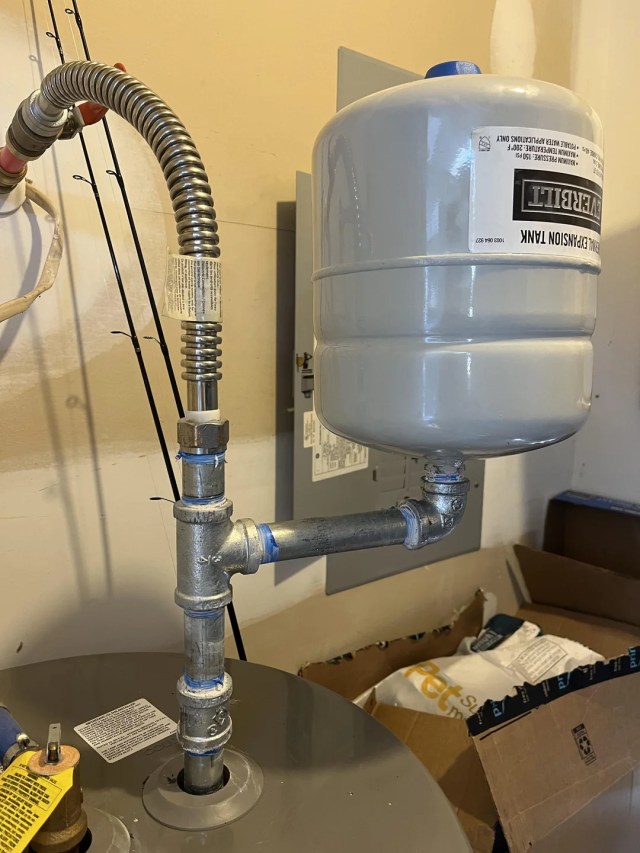
In the post, they asked whether repeated problems could be linked to the absence of an expansion tank or to water arriving unusually warm because part of the setup sits in direct sun.
"This is the 4th water heater in 12 years," the homeowner wrote, explaining that well water goes through an aerator tank and then a softener before entering the house. They also said the heater is installed in a very hot garage and that the softener is exposed to sunlight for much of the day.
Commenters weren't convinced heat alone was the main issue.
One commenter responded, "I would start with getting the water tested. Likely need a different filtration system. And then put in a quality water heater."
Another commenter urged the homeowner to identify exactly where the leak was starting, adding, "If it's the tank it's probably bad water."
Crushed by your bills? See instant solar savings from vetted installers in just a few clicks With energy prices through the roof, there's never been a better time to go solar — and EasyHome can help you find the best prices from the best installers in your area. EasyHome takes the guesswork and headaches out of energy upgrades by showing you estimated savings from a network of vetted local partners. To get started, just enter your ZIP and share a few details about your home — seeing your estimate is really that easy. |

More background
Well water can be especially hard on plumbing equipment. If the water is highly acidic, heavy in minerals, rich in sulfur, or carrying sediment, it can corrode the inside of a tank, damage fittings, and shorten the lifespan of heating elements and valves.
One commenter said the expansion tank pressure needs to be set "2 lbs below house pressure for it to work correctly!!!"
The Florida heat may not be helping, but a mix of water quality and system pressure could be driving the failures. Incoming water chemistry can vary far more in well systems.
What can be done?
The first step is typically diagnosis, not another blind replacement. Homeowners dealing with repeat failures can ask for a water test that checks pH, hardness, iron, sulfur, and other corrosive factors, while also verifying system pressure and whether an expansion tank is installed and charged properly.
If a replacement is necessary, a high-efficiency option may help lower utility costs.
That kind of upgrade won't fix untreated bad water on its own. Pairing filtration or pressure fixes with a more efficient tank can help homeowners avoid repeating the same costly cycle.
Where can I learn more?
For homeowners dealing with repeat leaks, the first question is whether the tank itself is failing or something in the setup is causing the trouble.
• Simple water heater maintenance tips can help homeowners avoid another expensive replacement cycle.
• In one garage, a $7 drain valve fixed what first looked like a failing water heater.
• In one state, an instant rebate made a heat pump upgrade easier after a water heater leak.
A bit of troubleshooting — and the right upgrade when the time comes — can help stop one leak from becoming a recurring headache.

Get TCD's free newsletters for easy tips, smart advice, and a chance to earn $5,000 toward home upgrades. To see more stories like this one, change your Google preferences here.






