


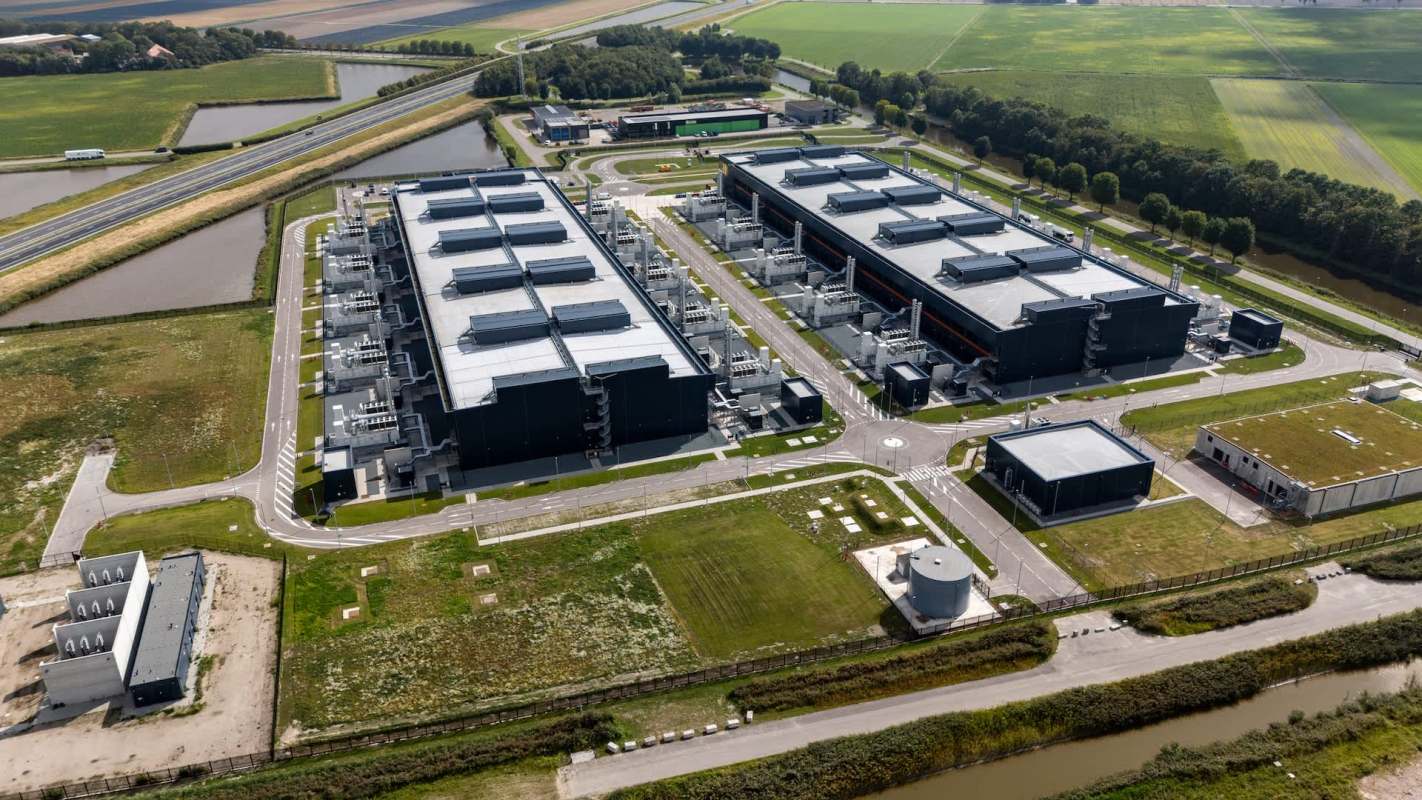
Manchester, New Jersey, is taking steps to keep data centers out of town after local opposition last month spilled onto Route 37, where protesters chanted and held signs.
The public response pointed to a broader challenge facing communities across the country: how to manage fast-growing digital infrastructure without compromising neighborhood quality of life.
Here's what to know
According to the Asbury Park Press, Manchester's Town Council began taking formal action toward a township ban on data centers on Aug. 24 after residents came out to protest the facilities during a council meeting.
The local news outlet reported that, as demonstrators held anti-data center signs stretching from outside the meeting to Route 37, passing drivers cheered them on.
Hyperscale data centers are industrial-style facilities built to power artificial intelligence, streaming services, and cloud computing. Their operations have been raising concerns about land use, water strain, noise pollution, and energy demand.
These concerns can be intensely local. Decisions over whether to allow or ban data centers can shape what gets built near homes and schools, how much pressure is placed on roads and utilities, and what kind of input neighbors have over major developments.
TCD Picks » Quince Spotlight
💡These best-sellers from Quince deliver affordable, sustainable luxury for all




More background
Manchester's move toward a ban comes as many communities are considering similar measures and as data centers are expanding alongside the AI boom. But the benefits and burdens of the tech push are not always shared evenly.
Supporters of bans often argue that communities should not be expected to absorb the downsides of industrial-scale development simply because digital operations are increasing. Depending on the project, those downsides can include heavy electricity consumption, generator noise, visual disruption, water strain, habitat destruction, and pressure on local infrastructure.
Critics of blanket bans, however, said towns could miss out on investment, tax revenue, and a role in the digital economy. They also argue that not every proposal is the same and that some facilities could work if they are sited appropriately and subject to strict requirements.
What's being done?
Manchester's Town Council has opened the door to a local policy response by using the zoning process to consider whether data centers belong in the township at all.
The step gives residents a formal chance to weigh in before development moves ahead.
Meanwhile, officials may consider middle-ground options, such as restricting data centers to industrial zones, requiring larger setbacks from homes, adding noise limits, and mandating traffic and utility reviews before approval.
Other safeguards include stricter energy-efficiency standards, requirements to use only clean energy, backup power provisions, and close oversight of any water use or potential contamination. Policies like these can reduce harm while also addressing concerns from those who worry that a full ban could shut out economic opportunities.
One of the most immediate tools in figuring all of this out remains civic participation: attending meetings, tracking proposed ordinances, and pressing officials to explain how any major project could affect nearby families and public infrastructure.
The Manchester protest centered on who gets to shape a town's future and whether digital expansion can move forward in a way that protects the people who live there.
Where can I learn more?
Manchester, New Jersey, isn't alone. Similar debates are playing out in states across the country as residents and local officials question where data centers should be built — or if they should be built at all:
• Across Ohio, townships slammed the brakes on data centers as public scrutiny outpaced state review.
• From Utah to Georgia, communities demand moratoriums and scrutiny as data center backlash reaches national politics.
• In Arizona, residents fight back against tech companies seeking to flood communities with data centers.
As communities weigh questions over energy systems, environmental concerns, and economic impacts, pushback is shaping zoning fights, moratoria, and calls for action at the state level.

Get TCD's free newsletters for easy tips, smart advice, and a chance to earn $5,000 toward home upgrades. To see more stories like this one, change your Google preferences here.






