


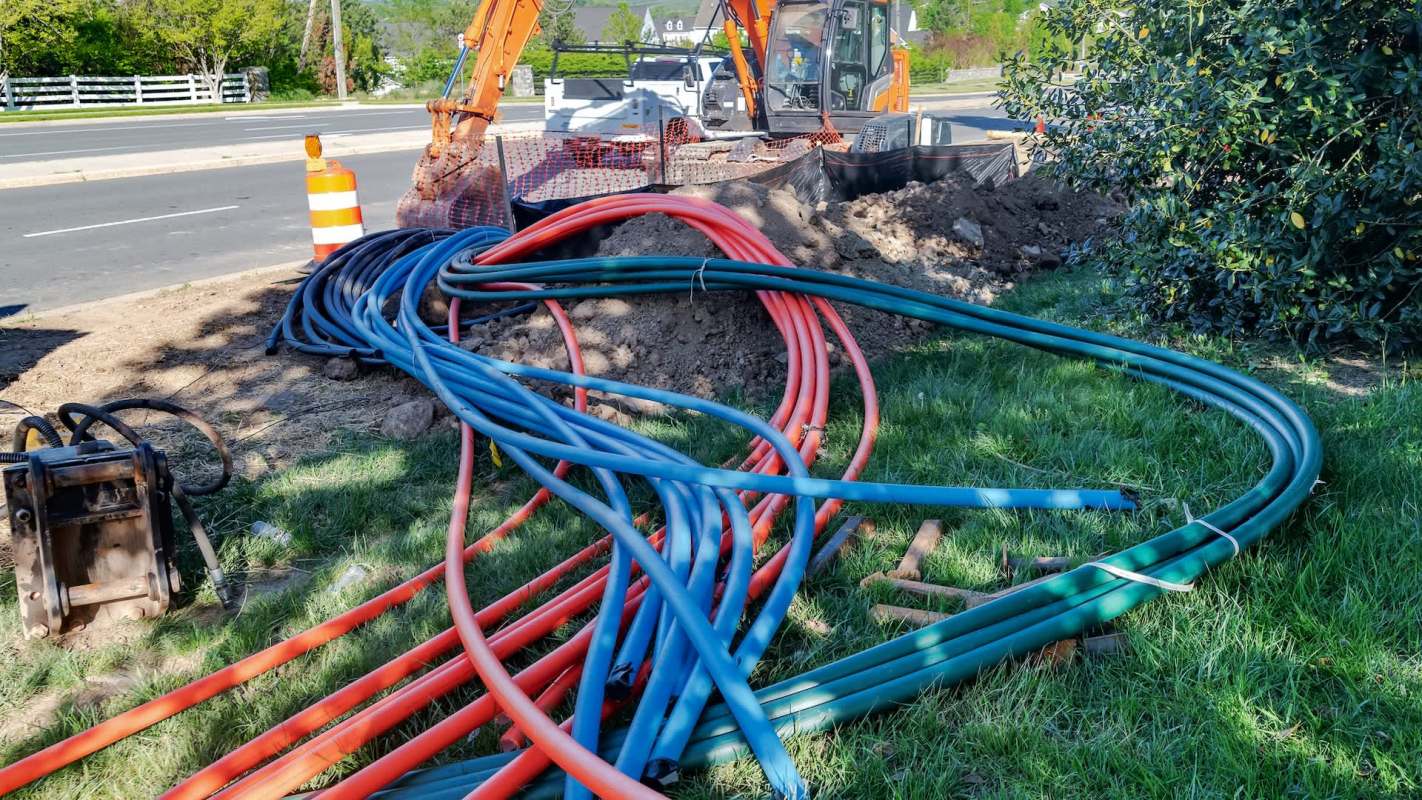
A homeowner's complaint about an HOA fee hike is striking a nerve online. The added charge was tied to internet service that the homeowner said the neighborhood already has plenty of.
Here's what to know
Writing on Reddit in the r/f***HOA subreddit, the homeowner said the neighborhood already had multiple internet providers available, but the HOA was still moving forward with a plan to bring in another one.
"As some providers were established, some lines were accidentally broken and then repaired. The solution is to add another provider and then force the entire neighborhood to pay for them, regardless of if we want to use their service," the homeowner wrote.
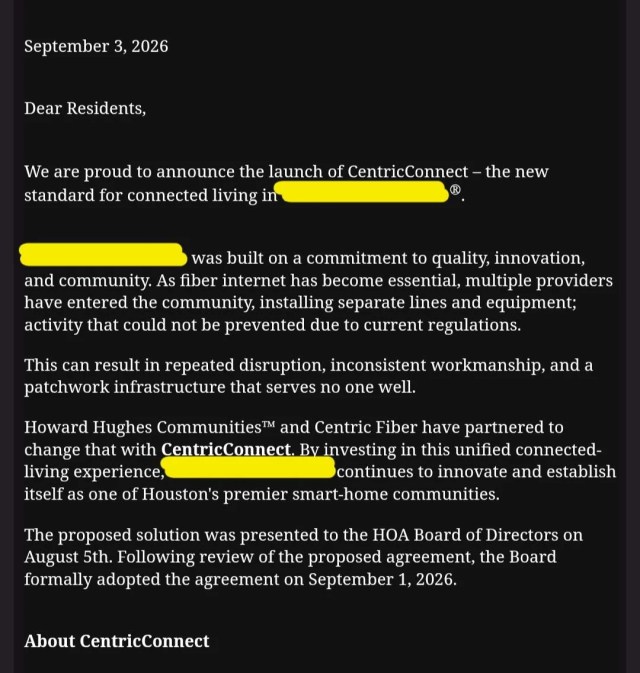
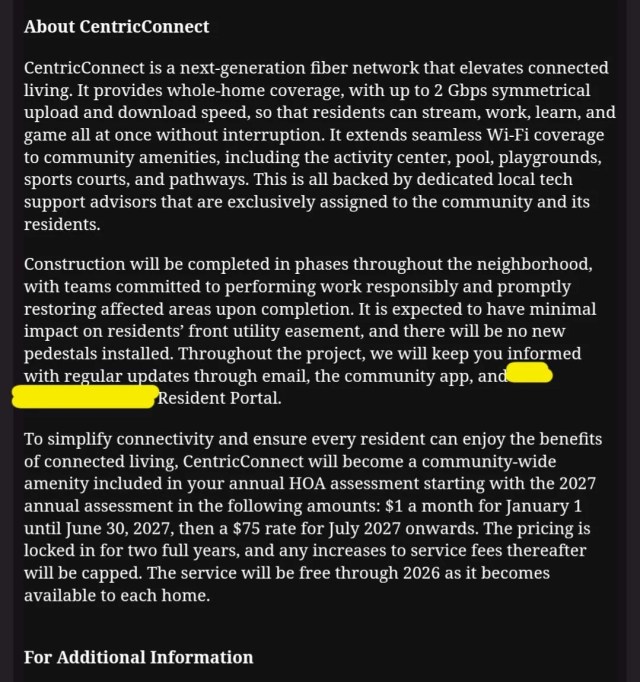
Debate in the thread focused in part on how the decision was made, with the homeowner calling it "a closed door meeting done in secret with the board and zero community input." They also said annual dues are already $1,000 and that the new arrangement would add roughly $900 more per year.
The discussion split between people who viewed the problem as secrecy and those who saw it as a notice issue. One commenter asked whether there had actually been closed meetings or simply public meetings that residents failed to attend.
Another argued, "I've seen multiple complaints and a couple screen shots over the years about board meetings being held in the middle of the day [during] the week [specifically] to make it difficult for the non-retired residents to show up."
TCD Picks » Quince Spotlight
💡These best-sellers from Quince deliver affordable, sustainable luxury for all




More background
Mandatory bulk-service agreements can sometimes be pitched as convenient, but they can also leave residents paying for something they neither want nor need.
For households already juggling mortgage payments, insurance, and utility bills, nearly doubling annual HOA dues can be a major financial hit.
The dispute reflects broader frustration with HOA authority. Across the country, HOAs have drawn criticism not only for surprise fees but also for preventing homeowners from making money-saving changes to their properties.
HOA rules can affect monthly costs, resale value, energy use, and how much control people have over their own homes.
What can be done?
For homeowners facing a similar dispute, one practical first step is to review the HOA's bylaws, meeting notices, agendas, and voting procedures.
In many communities, disputes come down to whether a board followed its own rules before approving a contract, fee increase, or special assessment.
As one commenter put it, "This is why I used to go to every meeting. It helped that my community held them virtually."
If turnout is low, a relatively small number of engaged residents may end up having outsized influence over budgets and contracts.
Residents who want to push back on restrictive or costly rules can also learn how to work with HOAs to challenge bylaws, build support among neighbors, and advocate for changes that protect both household budgets and common-sense home upgrades.
Where can I learn more?
The same frustration shows up in other HOA disputes over chargers, solar panels, and home upgrades.
• A homeowner facing pushback for EV chargers was told the law may be on their side.
• In California, a homeowner invoking the Solar Rights Act pushed back on unreasonable HOA demands.
• One HOA bent over backward to deny solar panels while residents questioned its bylaw interpretations.
• Another homeowner fought aggressive HOA restrictions that blocked a money-saving solar roof upgrade.
They also show how fast an HOA fight can spread into bigger questions about utility bills, home improvements, and legal rights. For homeowners worried about surprise costs or board overreach, these cases offer a useful sense of where those conflicts often start.

Get TCD's free newsletters for easy tips, smart advice, and a chance to earn $5,000 toward home upgrades. To see more stories like this one, change your Google preferences here.






