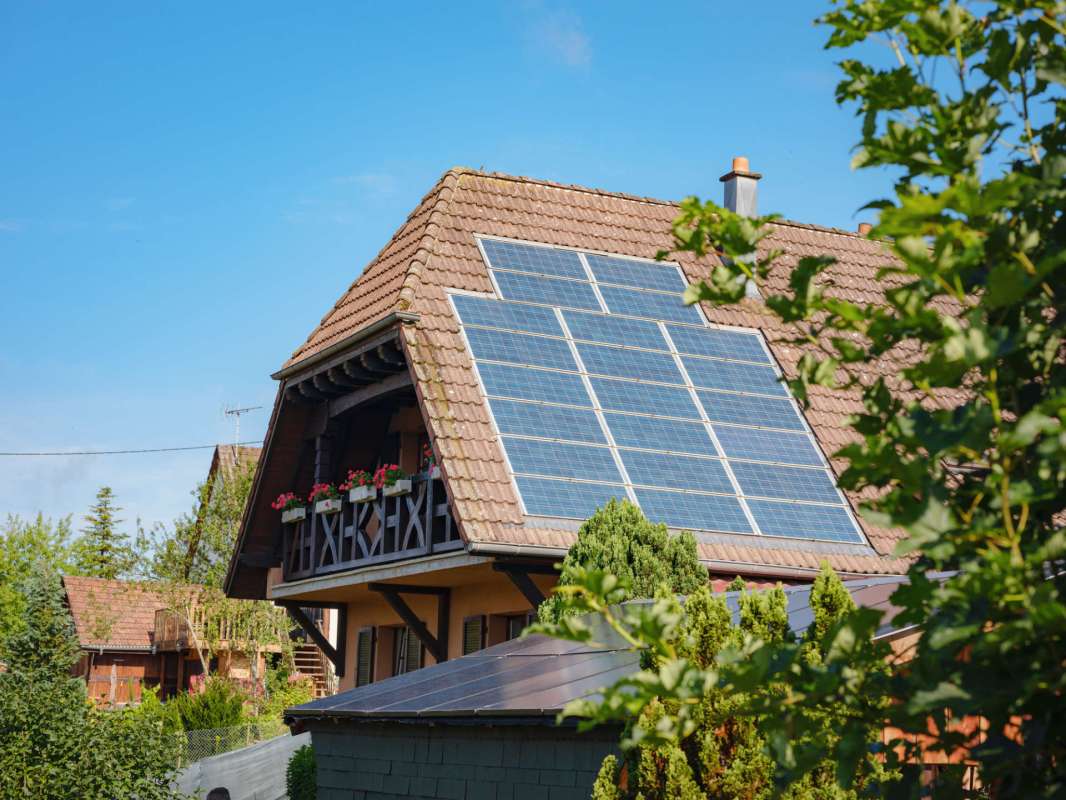
A new study finds that a home solar array can shape behavior beyond the property where it is installed. Nearby households may end up using less electricity and moving toward solar panels and electric vehicles as a result.
According to PV Magazine, the effect showed up in Switzerland, where homes near solar systems were more likely to cut power use, install panels of their own, and buy electric vehicles.
Here's what to know
For the paper "Green spills: Peer effects in pro-environmental behaviors," Benedikt Janzen of Germany's University of Passau and Patrick Bigler of Switzerland's University of Lausanne used geocoded records from 260,000 households in Switzerland's canton of Bern spanning 2008 to 2019.
Using data on electricity consumption, solar ownership, EV ownership, and household characteristics, they examined how nearby solar adoption related to household behavior. One additional installation 328 feet (100 meters) from a home was linked to a 0.21% yearly decline in electricity use, or about 11 kilowatt-hours saved per household.
If you're considering it, EnergySage can help you get free solar installation estimates and compare quotes.
Distance mattered: the closer the solar array, the stronger the effect. An installation within 33 feet (10 meters) of a household was associated with a 2.1% annual reduction in electricity use, plus a bigger jump in the odds that neighbors would install solar or buy an EV.
More background
The starting adoption rates were modest.
"Although the magnitude of these effects appears small, they are relatively large in comparison to the baseline probabilities of 1% for solar PV and 0.44% for EV adoption," the research paper says. "Put differently, an additional solar PV installation at 100 meters distance to a household leads to a significant increase in both the probability of adopting a solar PV and an EV by 2% and 2.3%, respectively."
Save $10,000 on solar panels without even sharing your phone number Want to go solar but not sure who to trust? EnergySage has your back with free and transparent quotes from fully vetted providers that can help you save as much as $10k on installation. To get started, just answer a few questions about your home — no phone number required. Within a day or two, EnergySage will email you the best local options for your needs, and their expert advisers can help you compare quotes and pick a winner. |

At that 33-foot (10-meter) range, the study associated a nearby installation with a 20% increase in solar adoption and a 23% increase in EV adoption.
A visible rooftop array also works as a signal that cleaner technology is practical, normal, and financially worthwhile.
What can be done?
For people thinking about making the switch, EnergySage can help homeowners go solar by letting them compare competitive bids from local installers without the companies getting their contact information unless they choose to work with one further. Its services are free to use, and with EnergySage's help, the average person can save up to $10,000 on solar purchases and installations. That can make it much easier to compare options before committing to a major upgrade.
Readers can also use EnergySage's solar map, which shows the average cost of a home solar panel system on a state-by-state level, as well as details on solar panel incentives for each state. Together, these resources can help readers get the best price for rooftop solar panels and access available incentives.
More From EnergySage
💡Go deep on the latest news and trends shaping the residential solar landscape
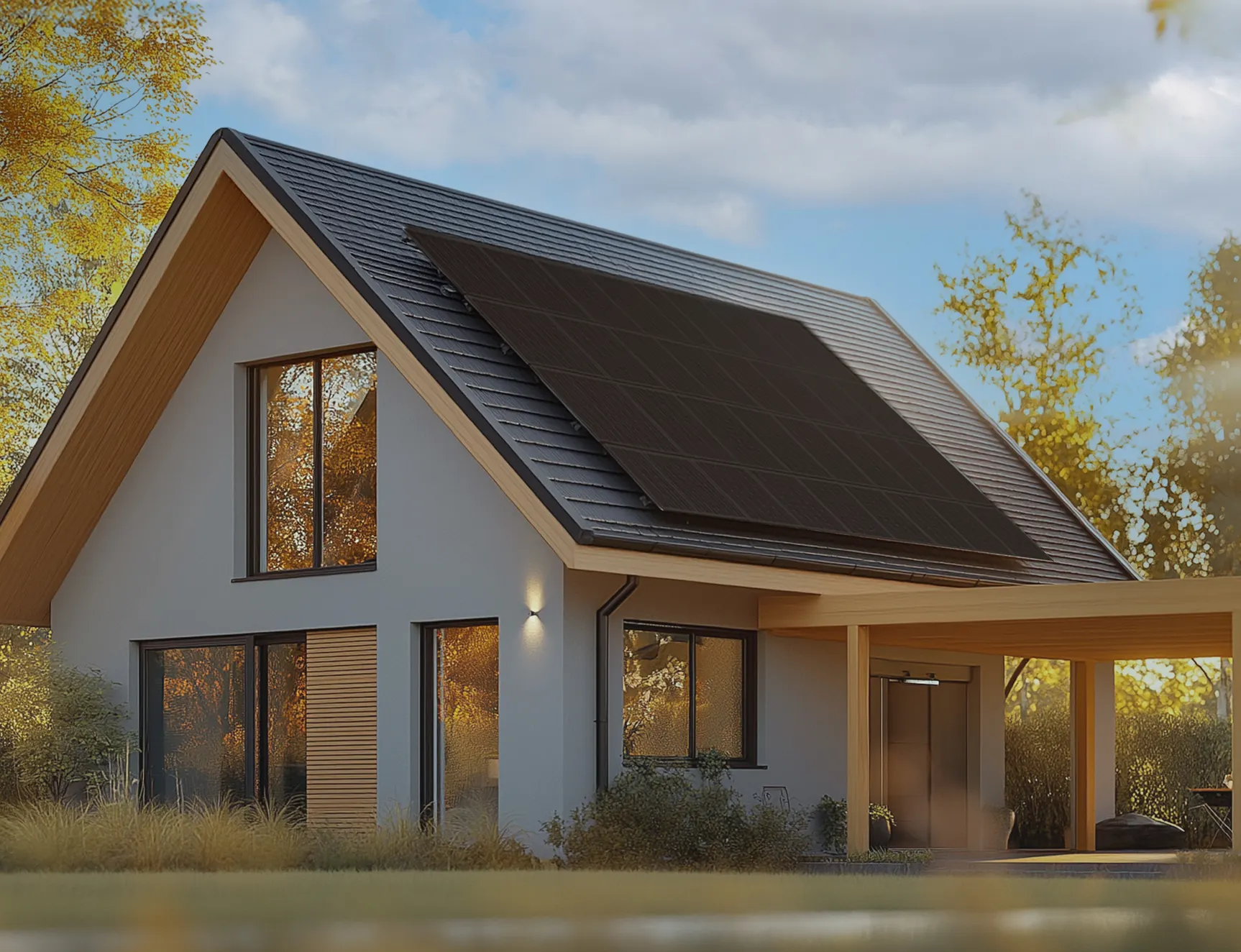
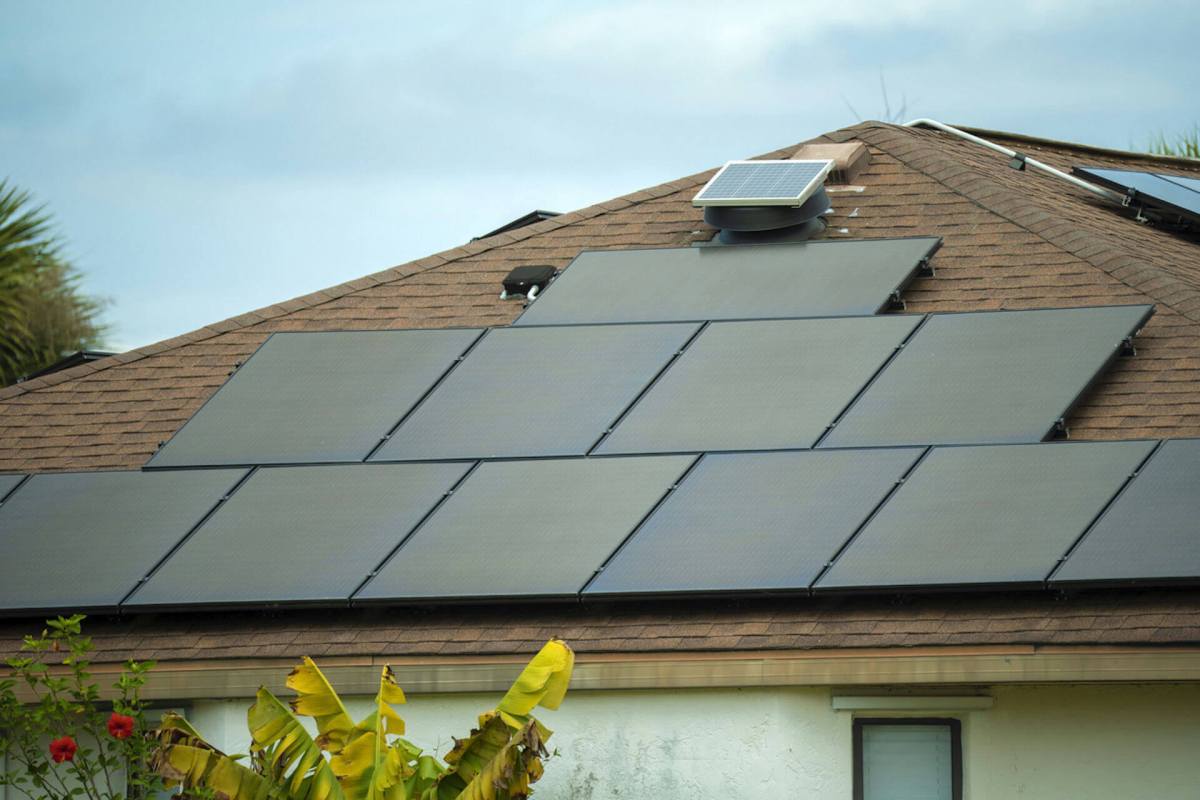
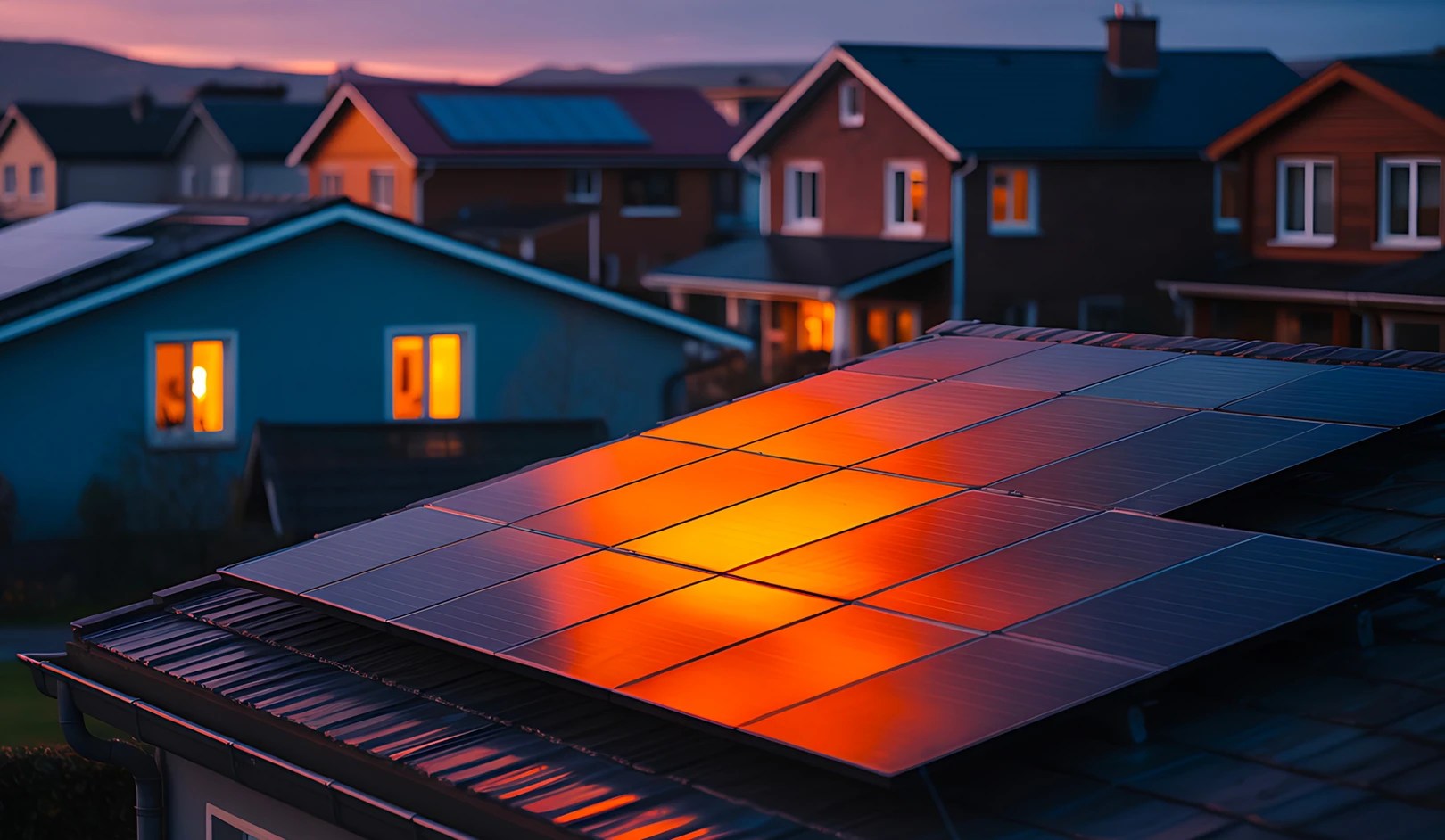

Adding battery storage to a solar setup is one of the best ways to protect your home during outages, save money on energy, and go off-grid. It can also help households use more of the electricity they generate themselves. Homeowners can explore EnergySage for information about home battery storage options, including competitive installation estimates.
In the researchers' words, "Overall, our research suggests that the benefits of residential solar PV adoption extend beyond the household installing the solar PV system because it encourages other households to act more pro-environmental."
Where can I learn more?
Rooftop solar's ripple effects show up in a few different ways. The articles here look at how it can affect household budgets, shape public perception, depend on policy incentives, and come down to the cost comparisons that often determine whether a system gets installed.
• Across the US, rooftop solar can ease energy burdens for low- and moderate-income households.
• Experts say rooftop panels stay quiet enough that nearby neighbors may barely notice.
• In the US, federal solar tax credits remain central to homeowner installation decisions.
• EnergySage shows how installation costs vary with equipment, labor, and local market conditions.
Read together, these stories help explain why one rooftop array can matter beyond a single address. Solar adoption is shaped by a mix of economics, visibility, and policy, and those same factors often decide whether neighbors decide to make the leap.

Get TCD's free newsletters for easy tips, smart advice, and a chance to earn $5,000 toward home upgrades. To see more stories like this one, change your Google preferences here.