


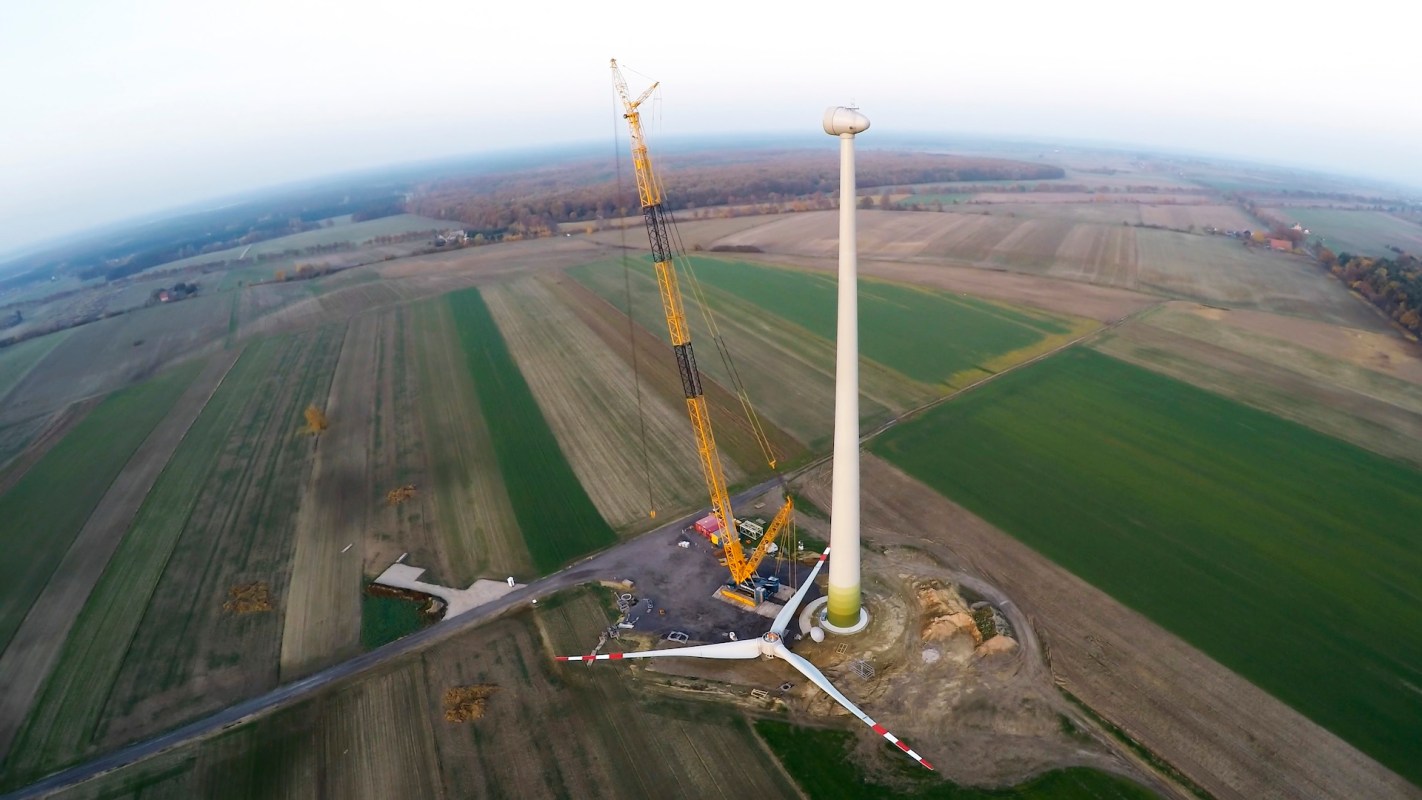
Regulators in Maine have signed off on an Aroostook County energy proposal that combines an 800-megawatt wind farm alongside a 111-mile transmission line, a development that could become the state's largest-ever clean energy project.
Officials say that, if federal regulators allow it to move forward, the project could both add more clean power to New England's grid and help reduce residents' electricity costs.
Here's what to know
The project dates back to a 2021 law signed by Maine Gov. Janet Mills directing the state to pursue renewable energy development in northern Maine, along with the transmission needed to connect it to the New England grid.
Maine regulators selected the San Francisco-based clean energy developer Clearway Energy to build the wind farm, while Avangrid, the parent company of Central Maine Power, is expected to build the transmission line, according to the Portland Press Herald.
Under the new arrangement, Maine joined Massachusetts, Connecticut, Vermont, and Rhode Island so the transmission line's cost can be divided across five states, the Portland Press Herald reported. Officials still expect roughly three-quarters of the wind farm's electricity to remain in Maine, with the rest going to neighboring states.
More background
Maine consumers could see a benefit of as much as $425 million from the project over the course of the farm's lifetime, the Maine Public Utilities Commission estimates, according to the Portland Press Herald.
TCD Picks » Quince Spotlight
💡These best-sellers from Quince deliver affordable, sustainable luxury for all




Officials say there are three main reasons for that projection, per the Herald. First, Maine ratepayers would cover only about a tenth of the transmission line cost because the expense would be spread across multiple states. Second, long-term transmission and power contracts could lock in more favorable pricing than some other energy sources. Third, an 800-megawatt wind farm would add a major new source of electricity at a time when demand surges.
More locally generated renewable energy could also help reduce dependence on volatile fuel markets, which can drive up heating and electricity costs for families. Plus, wind power generates electricity without the air pollution associated with burning fossil fuels, helping support cleaner air while advancing climate goals.
Where can I learn more?
Big wind projects in other parts of the country offer a useful look at what comes next when a proposal like this starts moving. They show how permitting, transmission upgrades, and construction progress can change regional power supplies and why Maine officials are pointing to lower bills, job growth, and grid reliability as potential benefits.
• Off Virginia's coast, Dominion Energy reached its mega wind farm milestone sooner than expected.
• New England gained a greener and healthier future as South Coast Wind won approval.
• Federal officials backed the US' largest offshore wind project, giving Sunrise Wind room to advance.
Each of these stories highlights a different part of the process, from winning approval to building out the infrastructure needed to deliver power.

Get TCD's free newsletters for easy tips, smart advice, and a chance to earn $5,000 toward home upgrades. To see more stories like this one, change your Google preferences here.






