


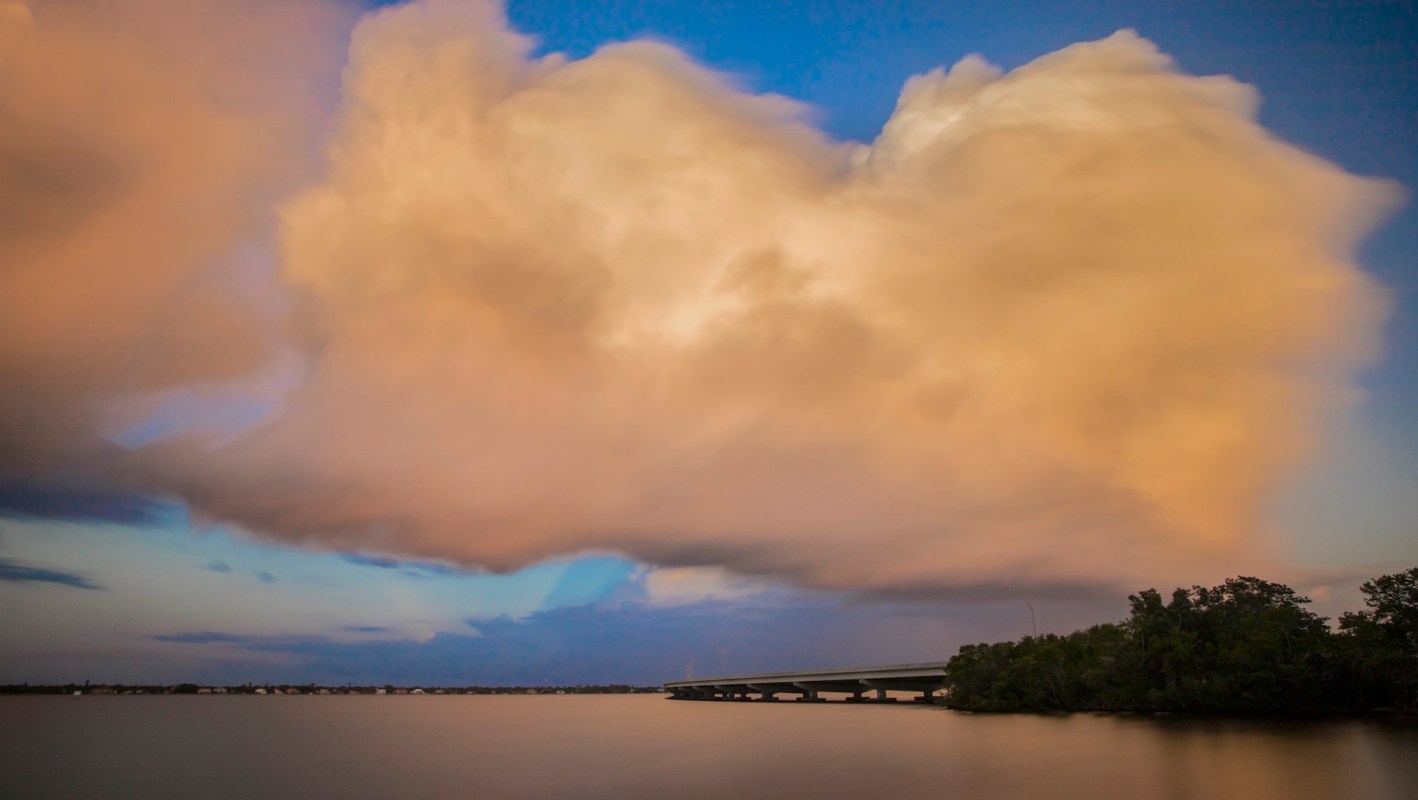
A major waterfront project in Cape Coral, Florida, has run into an expensive problem after mangroves were cleared without the required permit.
The Seven Islands developers received a fine over $34,000 and must restore the damaged vegetation and shoreline, according to the Fort Myers News-Press & Naples Daily News.
Here's what to know
The fines stem from work on a 47-acre tract where crews reportedly removed more than 7,000 square feet of mangroves before obtaining a permit. The developer said the clearing was accidental and told the Fort Myers News-Press & Naples Daily News the work was intended to remove only invasive plants.
Cape Coral transferred the property to Gulf Gateway Resort & Marina LLC for $20 million in January, with the site slated for a buildout that could bring nearly 1,000 homes, a 10-story hotel, 45,000 square feet of commercial space, and a 39-slip marina, according to the local newspaper.
The unapproved clearing led to a June notice from state and federal regulators to stop all activity on the property other than approved invasive-species clearing. Later, the water management district imposed $34,336 in penalties and investigative costs.
More background
Mangroves do much more than fringe the shoreline. The salt-tolerant trees help to hold coasts in place, slow erosion, and filter sediment and pollution.
TCD Picks » Quince Spotlight
💡These best-sellers from Quince deliver affordable, sustainable luxury for all




In a fast-growing coastal city like Cape Coral, losing them could raise flood risks, worsen water quality, and increase environmental restoration costs.
What's being done?
In July, the developer's environmental consultant submitted a restoration plan and a bank stabilization plan, according to the Fort Myers News-Press & Naples Daily News, which also reported that the district had approved both.
Gulf Gateway Resort & Marina told the outlet that bank stabilization work began in mid-August. The developer also intends to replant 783 mangroves, and the property will be checked annually for three years to ensure progress.
The plan defines success as establishing 80% of the mangroves, the Fort Myers News-Press & Naples Daily News reported, and if that standard is not reached within two years of planting, additional mangroves will be added.
Where can I learn more?
In a shoreline city under the pressure of steady development, mangroves can serve as natural infrastructure that helps protect water quality, coastlines, and the people who rely on both. If you want to learn more about the risks that heavy coastal development can pose, you may want to check out these additional examples:
• In New York, a riverfront contractor faced a $121,000 restoration bill after damaging protected wetlands.
• In Florida waters, well over half of vital seagrass has already disappeared, worsening water clarity.
• In Tarpon Springs, a developer gave the city $444,000 after years of criticism over riverfront construction.
These examples provide more context for the Cape Coral situation. Damage to mangroves, seagrass, rivers, and wetlands can leave behind years of cleanup, regulation, and higher costs for everyone.

Get TCD's free newsletters for easy tips, smart advice, and a chance to earn $5,000 toward home upgrades. To see more stories like this one, change your Google preferences here.






