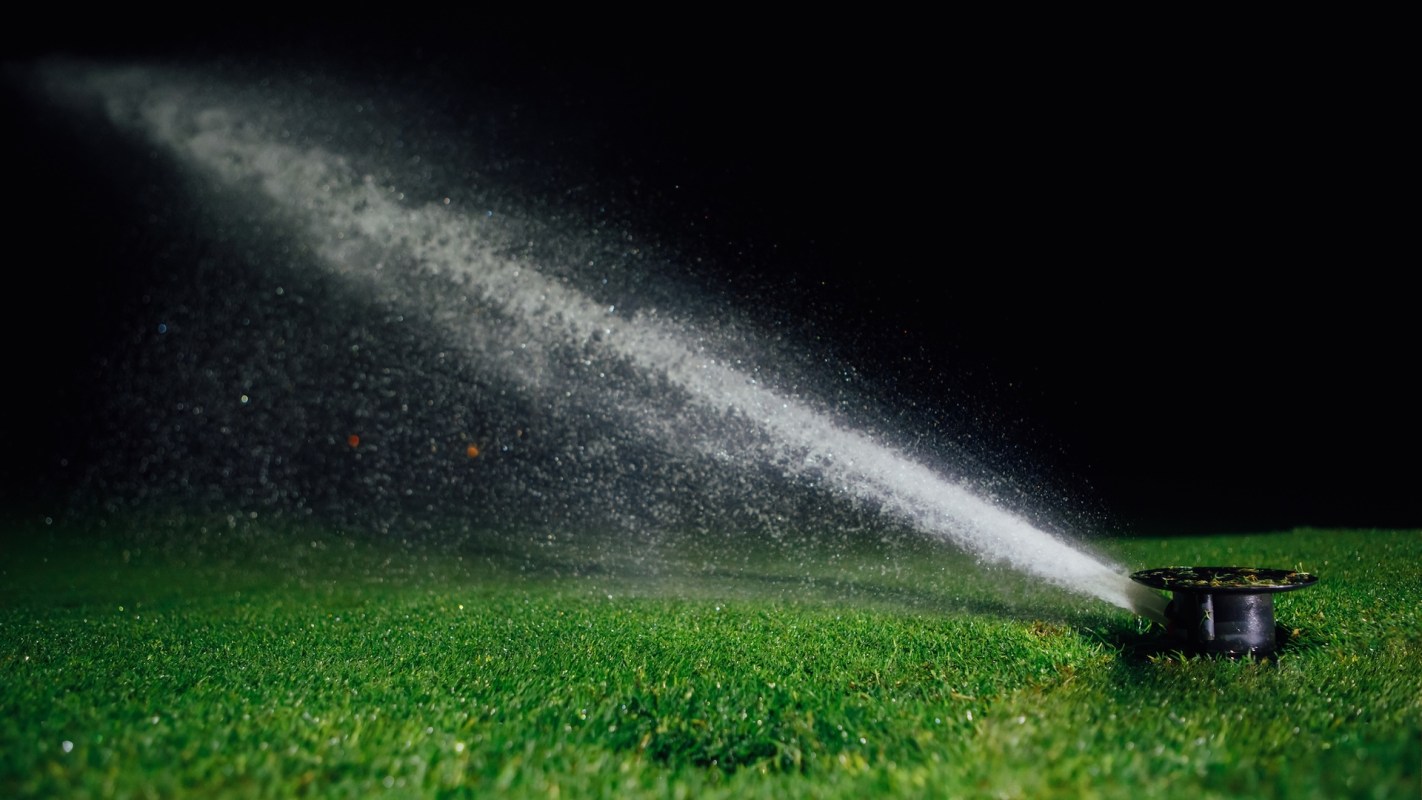
Weeks of triple-digit temperatures and sparse rainfall have led officials in Amarillo, Texas, to ask residents and businesses to conserve water in any way possible. This includes requesting that homeowners change their lawn-watering habits, including when they irrigate and how often.
The voluntary watering limits are part of Stage One of Amarillo's drought contingency plan, which is aimed at protecting reservoir levels during a period of unusually heavy demand, according to the Amarillo Globe-News.
Here's what to know
Grayson Path, the Amarillo city manager, said the city wants residents, businesses, and institutions to conserve water where they can and observe the voluntary schedule for outdoor watering.
The watering schedule works as follows: Addresses with odd numbers are assigned Sundays, Tuesdays, and Thursdays as watering days, while even-numbered addresses are assigned Mondays, Wednesdays, and Fridays.
The city is asking people to water only from 10 p.m. to 6 a.m. and to do so no more than three days a week.
"As everyone is aware, Amarillo has experienced an extended period of triple digit temperatures with little to no precipitation," Path explained, according to the Amarillo Globe-News. "These hot, dry conditions have increased water demand throughout our community."
TCD Picks » Quince Spotlight
💡These best-sellers from Quince deliver affordable, sustainable luxury for all




Donny Hooper, the assistant city manager, said Amarillo has logged 34 days above 100 degrees since June, compared with about five in a typical year. Similarly, the region has received 4.63 inches of precipitation since January, about 9.37 inches below normal.
More background
Stage One took effect on August 17 with the goal of lowering demand through voluntary conservation and giving the reservoir time to recover. However, Hooper said water use increased instead, largely due to the sustained high temperatures.
The city had already cut back watering at parks, irrigation systems, and golf courses before instituting further reductions.
Hooper said the reservoir is a key backup when demand surges or infrastructure is under strain.
"I want people to think about our reservoir as a savings account," he explained, per the Globe-News. "It's a 500 million gallon reservoir that's intended to supply water for our customers when we have those high demand days."
If conditions at the reservoir continue to decline, Amarillo could shift to Stage Two, making the restrictions mandatory and subject to fines. Hooper said the reserve was at 60% when Stage One started and had fallen to about 54%.
What can be done?
Officials are asking residents to stick to the schedule and water overnight, when evaporation is lower.
In extreme heat, limiting lawn watering to three times a week can help preserve scarce supplies without instituting mandatory restrictions.
The city is also urging large commercial properties and institutions with extensive irrigation systems to cut back more. Hooper said Amarillo officials had contacted the Amarillo and Canyon school districts, and some commercial customers were reaching out to officials asking how they could help with conservation efforts.
Checking sprinkler timers, fixing leaks, and postponing nonessential outdoor water use can reduce strain on the system while officials work to restore essential reserves.
Hooper said Amarillo would need the reservoir to climb back to 60% and stay there for about five days to leave Stage One.
Officials are trying to avoid harsher restrictions while buying time for cooler weather and possible rainfall.
"We don't want to get to the point where we have to start telling people what they have to do," Hooper said.
Where can I learn more?
Amarillo isn't the only place dealing with drought-driven water stress. Other communities are facing dwindling supplies, long-running restrictions, and fresh warnings about what extreme heat can do to local water systems.
• In Corpus Christi, a water crisis offers a grim look at future supply strain.
• In Somalia, officials say the situation has reached a dangerous phase as drought worsens.
Those stories show how fast heat and meager rainfall can squeeze water systems. They also help explain why Amarillo officials are asking residents to conserve now, before tougher restrictions become unavoidable.

Get TCD's free newsletters for easy tips, smart advice, and a chance to earn $5,000 toward home upgrades. To see more stories like this one, change your Google preferences here.