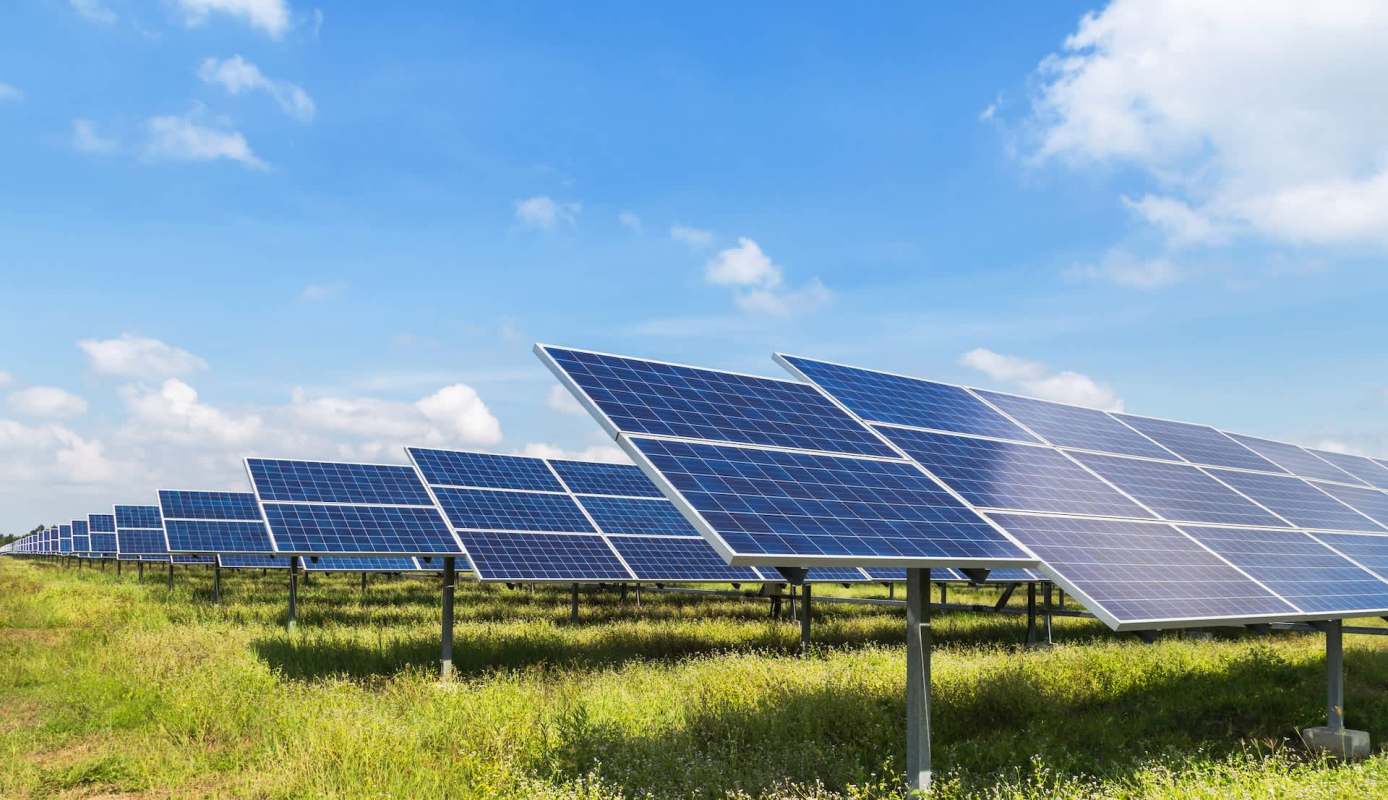
In the northeastern Syrian city of Qamishli, some families are selling gold and jewelry to pay for rooftop solar panels as unreliable public electricity and rising generator prices strain household budgets.
For many households, the economics are becoming hard to ignore. With round-the-clock generator power climbing toward $250 a month, solar is starting to look like the cheaper long-term option.
Here's what to know
According to Rudaw, more residents in Qamishli are choosing solar systems as they juggle inconsistent grid electricity and steeper private generator bills. The upfront price is still hard for many families to meet, leading some to borrow from relatives or sell gold and jewelry.
Fadi Jardo, a solar panel supplier in Qamishli, told Rudaw that a household that needs 10 amperes continuously would spend roughly $200 to $250 each month — nearly $3,000 over a year — because private service costs "$20 to $25 per ampere per month."
Jardo said the price comparison is changing minds: "That is why residents are considering [buying] solar panels, because for the same price they can get a complete system that provides 20 amperes of electricity, with lithium batteries that have warranties ranging from five to 15 years. There are also cheaper systems available between $1,000 and $1,500 that can provide eight amperes of electricity."
Generator operators are feeling the impact of that shift. Mohammed Marwan, who runs a private generator serving about 250 subscribers, told Rudaw that the amount of power he supplies fell from 1,300 amperes to 300 amperes as more residents installed solar panels.
TCD Picks » Quince Spotlight
💡These best-sellers from Quince deliver affordable, sustainable luxury for all




More background
Fuel prices remain central to generator costs. Marwan told Rudaw he buys diesel at about $3.03 per gallon (80 cents per liter), though some of his fuel is subsidized at roughly 4 cents per gallon (about one cent per liter). Rudaw reported that local authorities in Qamishli set July's generator rate at $25 per ampere for 24-hour service, while an unsubsidized eight-hour option was set at $12 per ampere.
Ala Rezan, a Qamishli resident who installed a system, said, "In Qamishli, all these private generators have caused dirty smoke and very disturbing noise throughout the neighborhoods and the city. In addition, their wires hang over streets and buildings like spider webs, making the city look ugly."
What can be done?
To make systems more attainable, some suppliers in Qamishli are offering credit or short installment arrangements.
Jardo said, "Some people whom we know personally and who are not in a good financial situation are sold panels on credit or through short-term installment plans as a form of assistance so that they can benefit from them."
Getting equipment into the region is another obstacle. Jardo told Rudaw that traders route supplies from Jordan and the Turkish port city of Mersin to Damascus before moving them into northeast Syria, while customs fees on other routes can sharply raise costs.
For homeowners elsewhere who are considering solar, services such as EnergySage can help you go solar by letting you curate competitive bids from local installers without them obtaining any of your contact information unless you choose to work with one further.
Rezan said, "Generators also frequently break down, leaving us without electricity when we need it. That is why solar energy is a more suitable and reliable solution."
Where can I learn more?
Qamishli's move toward solar reflects a wider trend: When electricity gets too expensive or too unreliable, households start looking for more dependable options. These articles look at how that is playing out in places dealing with steep power bills, energy-security pressures, limited grid access, and the question of what solar really costs.
• In the Philippines, soaring power bills are pushing more households onto rooftops for solar.
• Across Southeast Asia, oil shock upends energy security as conflict accelerates solar planning.
• In rural Indonesia, life-changing access to electricity is arriving through village-scale solar systems.
• For U.S. homeowners, solar panel costs are getting easier to compare through EnergySage.
• In Australia, free solar panels became bait in a brazen online scam.
Across very different places, the calculation looks familiar. Solar ultimately comes down to cost, reliability, and access — the same pressures driving families in northeast Syria to seek dependable power.

Get TCD's free newsletters for easy tips, smart advice, and a chance to earn $5,000 toward home upgrades. To see more stories like this one, change your Google preferences here.