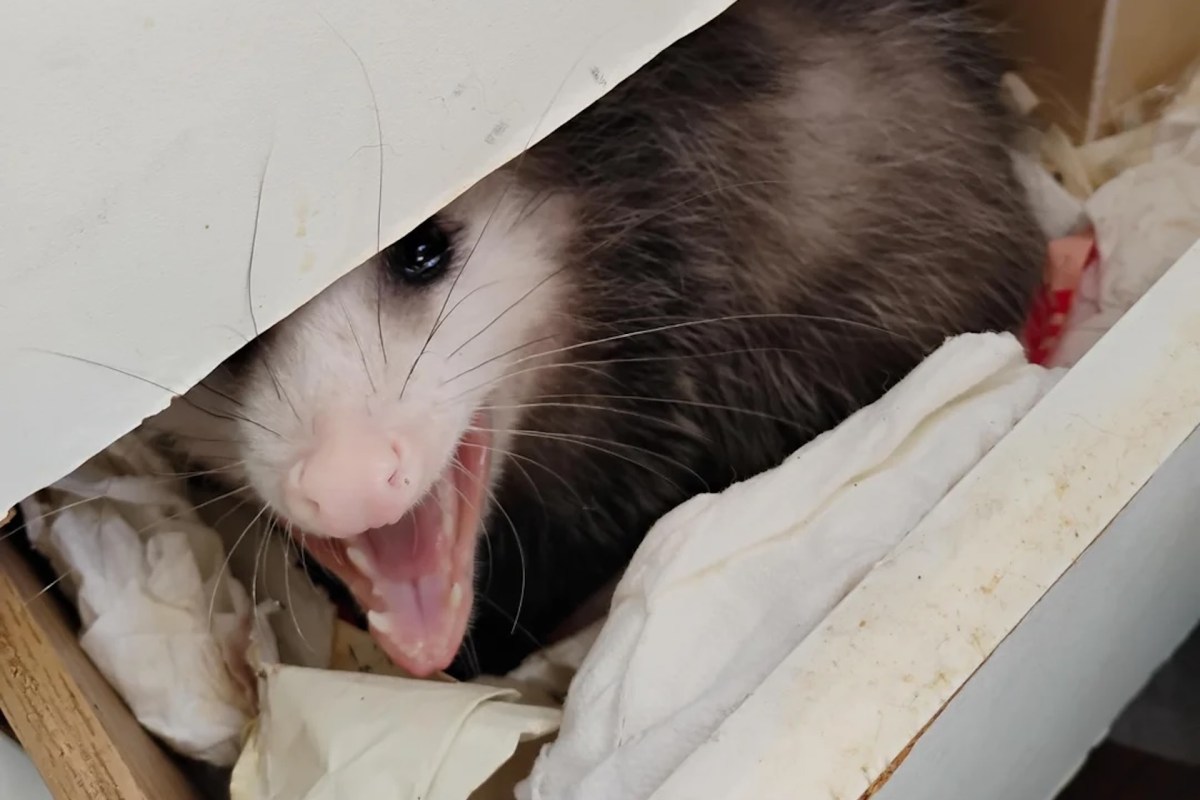
When a homeowner went looking for the source of a noise coming from behind their bedroom dresser, they assumed they would find one of their cats. Instead, the search turned up an unexpected houseguest: a small opossum tucked inside a drawer.
Here's what to know
According to the Reddit post, the homeowner was able to safely remove the animal and take it outside, but the opossum soon returned and settled in again. The homeowner then turned to their fellow Redditors for advice.
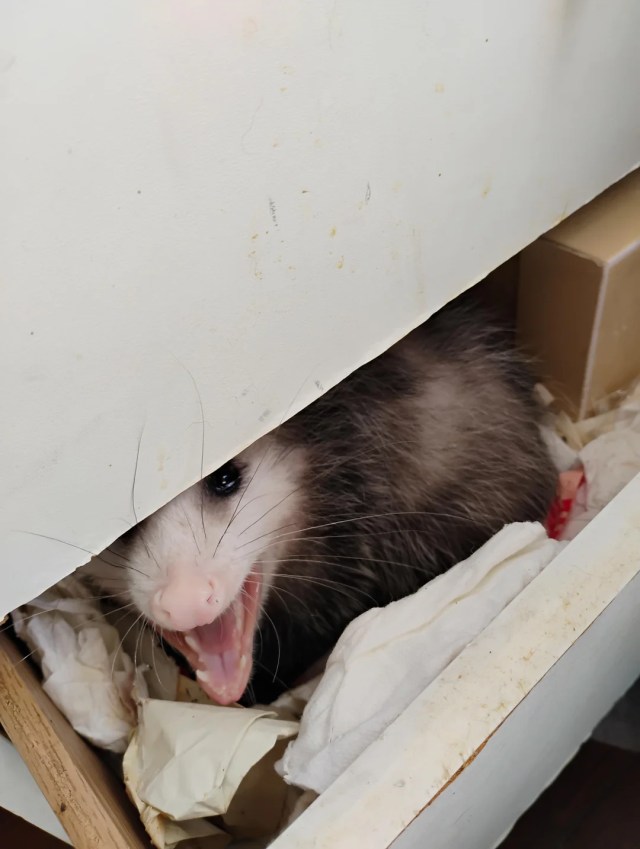
The original poster explained that they had investigated the dresser only after hearing rustling for several days. Inside a drawer, they found "a very small possum," estimated at 10 to 12 inches long, curled into tissue paper.
"It was very spicy about being disturbed," the homeowner wrote.
Despite the hostility, the homeowner was able to wrap the animal in a towel and remove it from their house.
However, with a cat door in the bedroom window and freezing temperatures outdoors, the OP's room offered both easy access and a warmer place to shelter. The opossum soon returned.
TCD Picks » Quince Spotlight
💡These best-sellers from Quince deliver affordable, sustainable luxury for all




"I really don't care if he stays," the OP wrote. "It's terribly cold out and my cats have no interest in him. He's safe and warm."
Instead of seeking solutions to remove the critter, the OP asked for dietary advice for their new housemate.
Commenters were quick to offer feeding suggestions, including leafy greens, eggs, and low-protein cat food.
Others, though, urged the OP to do their research.
"Congrats on your new friend lol," one commenter warned. "Their diet is quite complicated and overfeeding is common."
More background
As humans increasingly encroach on wild habitats, human-wildlife encounters have increased. Animals may naturally seek warmth, safety, or food in places frequented by people, such as near hiking trails or within residential neighborhoods.
These encounters can create safety concerns for people and pets, stress for the animal, and sanitation concerns.
In this case, the homeowner's cats reportedly showed no interest in the opossum. Even so, wild animals living indoors can still face risks from domestic pets, and vice versa.
What can be done?
As an automated moderator for the Reddit thread advised, when attempting to provide care for a wild animal, the most practical first step is to contact a wildlife rehabilitator or veterinarian.
"Please do not feed or give fluids unless a veterinarian or rehabber instructs you to," the automated message read, providing a link to a rehabber database.
Opossums have specific nutritional needs, particularly when they are young. Several commenters flagged the risk of metabolic bone disease and noted that excessive protein intake can be harmful, even if the animal appears eager to eat.
Where can I learn more?
Finding an opossum in a dresser drawer is unusual, but close encounters like this are hardly rare. Homeowners have also spotted them under decks, in trash cans, and wandering through gardens and backyards, raising the same questions about shelter, safety, and when to step in.
• At one home, an opossum living under the deck sparked debate over snacks and water.
• Another homeowner opened a trash can and found a mother opossum trapped with nursing babies.
• In one garden, an opossum showed surprising nesting behavior and caught a homeowner off guard.
• Elsewhere, a backyard opossum passed by a cat and fueled pregnancy speculation.
Cases like these show how easily opossums can settle into the spaces around people. They are also a reminder that expert guidance matters when a wild animal decides to stick around.

Get TCD's free newsletters for easy tips, smart advice, and a chance to earn $5,000 toward home upgrades. To see more stories like this one, change your Google preferences here.