


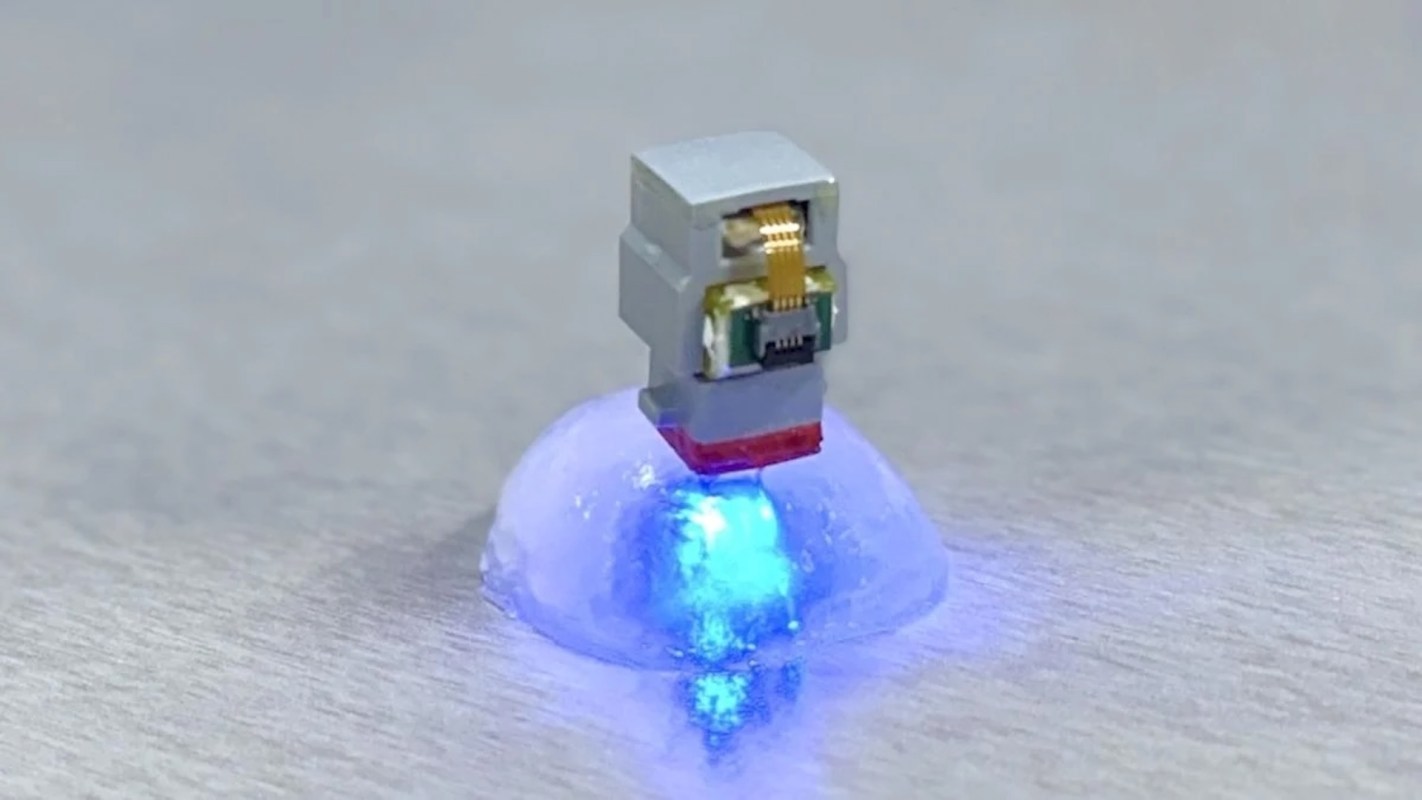
Using an internet connection from Chicago, scientists operated a wireless brain implant located in South Korea, illustrating how connected technology could reshape neuroscience research.
What the test established was that a brain experiment can be run across continents with remarkably little delay.
Here's what to know
According to ScienceAlert, the setup handled commands across 6,584 miles (10,596 kilometers) with an average response time of about 109 milliseconds. Those commands began in Chicago, were sent to a computer in a lab in Daejeon, South Korea, and were then transmitted wirelessly to a brain implant carried by a freely moving rat.
Published in Science Advances, the device, called RAPIDO, was developed by teams at KAIST and Yonsei University. Once implanted in the brain, it can do two separate jobs: release a substance through a tiny channel and emit light from a miniature LED. Each function can be controlled individually, and both can also be scheduled in advance online.
This kind of remote operation could matter because an animal's behavior can shift when a scientist is physically nearby. Running part of an experiment from a distance may therefore reduce that influence while also making international collaboration easier.
Jae-Woong Jeong, the KAIST electrical engineer who led the study, told ScienceAlert: "This makes it possible to conduct longitudinal experiments with less direct intervention and reduced influence from experimenter presence."
TCD Picks » Quince Spotlight
💡These best-sellers from Quince deliver affordable, sustainable luxury for all




More background
The team evaluated RAPIDO in two rat studies. In one, the implant repeatedly delivered different doses of cocaine into the nucleus accumbens, a brain region tied to reward. The rats' movement changed in ways that tracked the dose, and the same effects were seen again at two, three, and four weeks after implantation.
The second study examined optogenetics, which uses light to control cells. To isolate the effect of light by itself, the researchers did not use the implant to deliver cocaine in this test; instead, they injected the drug into the rats' abdomens. Rats that received cocaine without any light exposure later preferred the compartment associated with the drug.
That preference did not appear in rats whose implants activated the RhoA signaling pathway during conditioning. As Jeong told ScienceAlert, "Together, these experiments demonstrate the platform's ability to investigate causal links between specific neural manipulations and behavior."
Overall, the results suggest a research pipeline that could move more quickly. A system like this may eventually let scientists share expertise across borders while reducing the need for repeat surgeries and constant hands-on work in the lab.
What's being done?
RAPIDO extends wireless implant work, including smartphone-controlled systems that Jeong helped develop for mice. Its key advance is that it brings several capabilities together on a single platform: refillable drug delivery, targeted light stimulation, programmable dosing, and internet-based control.
For long-term studies, that combination could make experiments less disruptive. Instead of repeatedly handling an animal or surgically replacing an implant, researchers may be able to conduct extended studies with fewer interruptions.
The researchers did not claim more than the study showed. They did not demonstrate a treatment for cocaine addiction, and they did not test the implant in humans. Jeong told ScienceAlert, "The biggest challenge is demonstrating long-term safety and reliability in the human brain."
Any similar system intended for clinical use would first require extensive testing of biocompatibility, packaging, drug delivery, and fail-safe controls. Optogenetics would add another complication because it depends on the safe delivery of light-sensitive genes.
Jeong said, "This brain implant is therefore best viewed at this stage as a research platform that could help develop and evaluate future therapeutic strategies, rather than as a clinical device itself."
Where can I learn more?
RAPIDO's remote operation aligns with a push toward medical devices that operate wirelessly and require less hands-on oversight. These stories look at brain implants, battery-free sensors, and healthcare hardware built for tough conditions — all aimed at making advanced tools more practical in the real world.
• In Michigan, doctors placed a first-in-human wireless brain implant in a woman struggling to speak.
• Researchers created a new battery-free implant that monitors health without bulky power systems.
• In India, teenagers built a salt-powered vaccine refrigerator aimed at rural healthcare gaps.
What connects these efforts is a focus on usability across long distances, over extended periods, and in places with limited infrastructure.

Get TCD's free newsletters for easy tips, smart advice, and a chance to earn $5,000 toward home upgrades. To see more stories like this one, change your Google preferences here.






