


Families living near Pueblo's former Colorado Smelter may soon have a better chance of getting contaminated soil cleaned up as federal officials consider stricter lead limits for residential soil and indoor dust.
The change under consideration could bring additional properties in the area into compliance with remediation requirements.
Here's what to know
According to Colorado Public Radio, the U.S. Environmental Protection Agency is taking public comment on proposed cleanup revisions for the Colorado Smelter Superfund site in Pueblo. The plan would cut the lead action level for soil around homes from 350 parts per million to 240 parts per million, and lower the indoor dust threshold from 275 parts per million to 110 parts per million.
More than 2,000 homes are located within about a half-mile of the former smelter on Pueblo's south side, and a stricter standard would make a larger share of them eligible for cleanup.
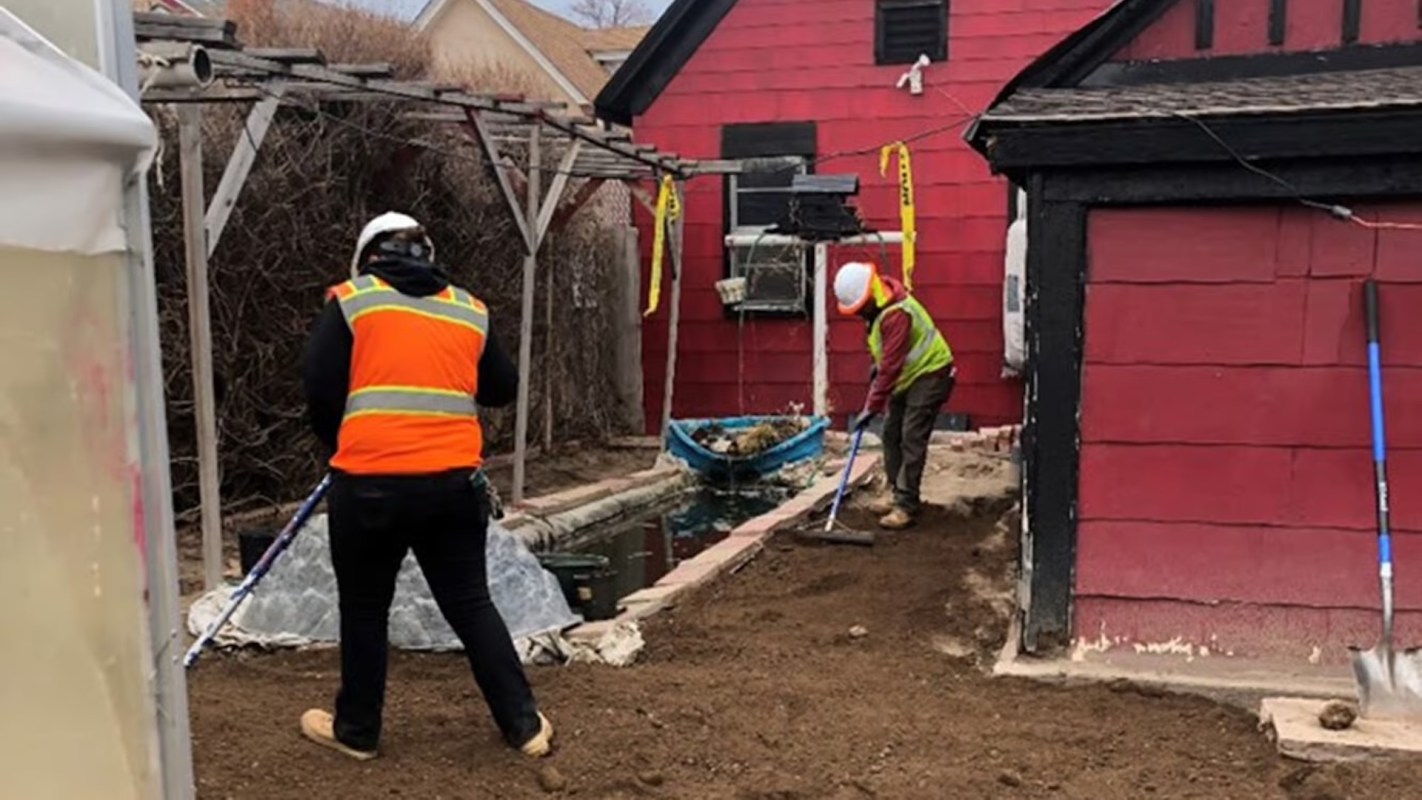
The EPA has been removing and replacing soil at roughly 800 properties in the Superfund area, dealing with lead and arsenic contamination left behind after the silver smelter closed.
Residents have been urging officials to adopt a tougher lead standard that would apply to more yards.
TCD Picks » Quince Spotlight
💡These best-sellers from Quince deliver affordable, sustainable luxury for all




More background
Pollution tied to the Colorado Smelter has continued to raise environmental and public health concerns in nearby neighborhoods. Lead and arsenic from the site contaminated the soil around homes and the dust inside them.
A technical change in parts-per-million standards can determine whether a family gets help or is left outside the cleanup boundary, even while living near the same source of pollution as their neighbors.
That can shape whether children play in contaminated yards, whether dust inside homes poses ongoing exposure concerns, and whether homeowners receive cleanup help.
Contamination from shuttered industrial sites can linger for generations, long after the original business is gone.
What's being done?
The EPA is reviewing the cleanup benchmarks. If the lower lead thresholds for both soil and indoor dust are approved, more homes would become eligible for federal remediation.
That could mean additional soil removal and replacement at properties that previously did not meet the standard, even though they sit within the same contamination zone.
Public comment is part of that process, giving Pueblo residents a chance to weigh in on whether the tougher standard should move forward. The feedback period can be one of the few formal opportunities to influence how aggressively a cleanup is carried out.
If adopted, the revised limits would not erase the history of pollution around the former smelter, but they could widen access to cleanup for households that have been waiting for stronger protections.
Where can I learn more?
What's happening in Pueblo is part of a larger story playing out in communities dealing with legacy contamination and metal exposure at home. Superfund sites, aging infrastructure, and industrial pollution can affect what families breathe, drink, and bring into their homes.
• Near Cañon City, 14 water tests showed contamination unsafe to drink around a Colorado Superfund site.
• In East Moline, Illinois, elevated lead after water tests forced warnings for homes and businesses.
• Across the United States, coal plants push heavy metals into the air as health concerns grow.
• Colorado's oil and gas sector saw each new well getting dirtier even as totals fell.
Decisions about contamination standards can quickly show up in daily life, helping to explain why Pueblo residents are pushing for stricter cleanup thresholds.

Get TCD's free newsletters for easy tips, smart advice, and a chance to earn $5,000 toward home upgrades. To see more stories like this one, change your Google preferences here.






