


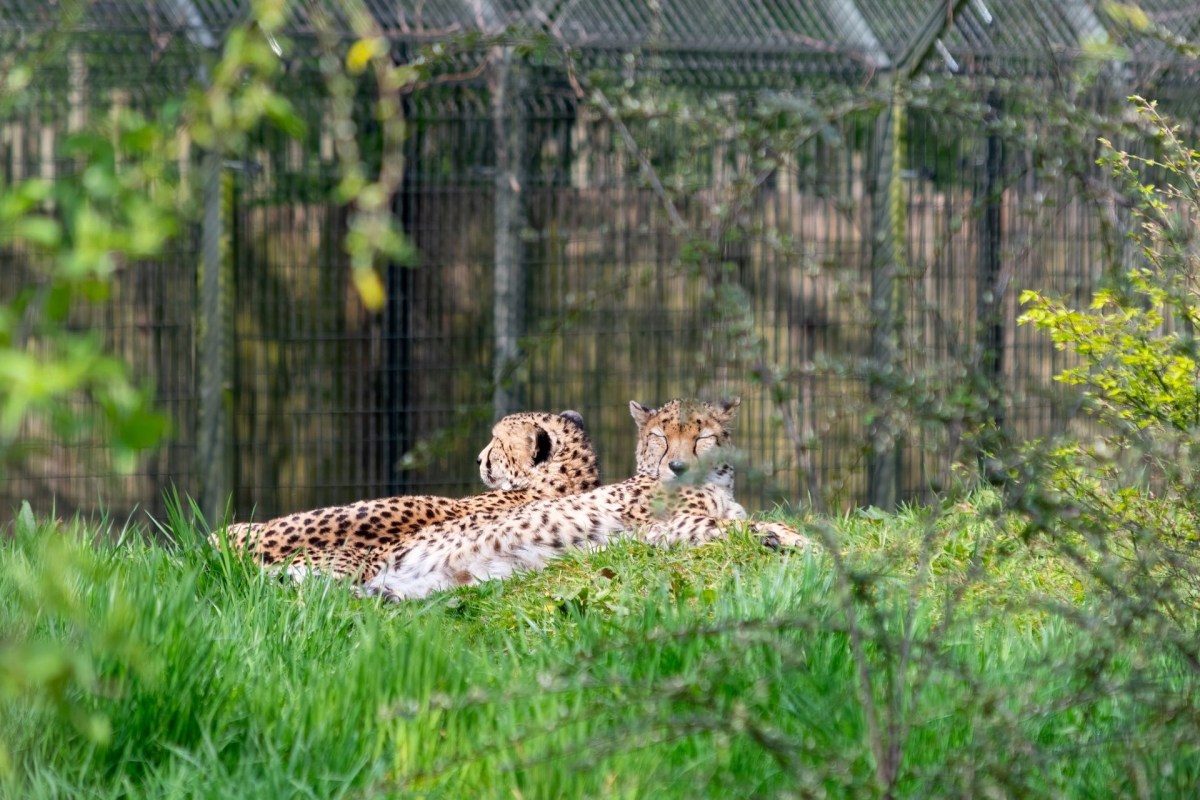
A proposed carbon pipeline in northwest England intended to support cleaner industry could cause serious damage to a local zoo in the process.
Here's what to know
Chester Zoo says the current proposed route would cut through a 470-acre conservation area set aside for wildlife recovery, setting up a clash between climate infrastructure and nature protection.
Part of a wider habitat recovery effort in the region, the land is just outside of Chester Zoo's main site. James Christon, the zoo's chief executive, told BBC News that using that land for the proposed Peak Cluster route would be "unacceptable."
The Peak Cluster scheme is meant to move carbon dioxide from Derbyshire to the Wirral coastline for offshore storage. From there, the gas would be compressed and placed in a depleted reservoir beneath the Irish Sea near Morecambe, Lancashire, instead of entering the atmosphere.
Calling the plan a threat to sensitive areas, Christon said it "would rip through our fields and jeopardise environmentally sensitive habitats," including "irreplaceable wetland habitats that support wildlife and store carbon." He told BBC News that Chester Zoo first contacted the company in March and later met project leaders in May to seek a different route.
Wetlands and connected habitats help protect biodiversity, store planet-warming carbon, and support healthier local ecosystems.
TCD Picks » Quince Spotlight
💡These best-sellers from Quince deliver affordable, sustainable luxury for all




More background
Carbon transport and storage projects are often presented as a key part of industrial decarbonization, particularly in regions with heavy industry. But routing decisions can become dicey when they affect farms, neighborhoods, or conservation areas.
Habitat loss can undermine the benefits healthy landscapes provide, including carbon storage, flood resilience, and space for wildlife recovery.
"We recognise development can be necessary and welcome progress on low-carbon infrastructure," Christon said on behalf of one of the United Kingdom's best-known conservation institutions. "However, we're against bad development that would damage the irreplaceable habitats and ecosystems we're all working so hard to protect. Once it's gone, it's gone forever."
What's being done?
The zoo wants the route reconsidered and is pressing for fuller engagement with Chester Zoo, nearby Wirral residents, and other regional wildlife groups, according to BBC News.
Peak Cluster chief executive David Parkin said Peak Cluster has discussed possible options with the zoo while continuing to assess consultation input. He said the company has reviewed more than 5,500 responses and carried out additional engineering and environmental work.
Parkin said ongoing ecology surveys on the zoo's land will inform the project's development and its "evaluation of potential location options for the pipeline."
But opposition stands firm in their belief that another route is paramount to the cause.
"The decarbonising industry should not come at the expense of nature," Christon said.

Get TCD's free newsletters for easy tips, smart advice, and a chance to earn $5,000 toward home upgrades. To see more stories like this one, change your Google preferences here.







