


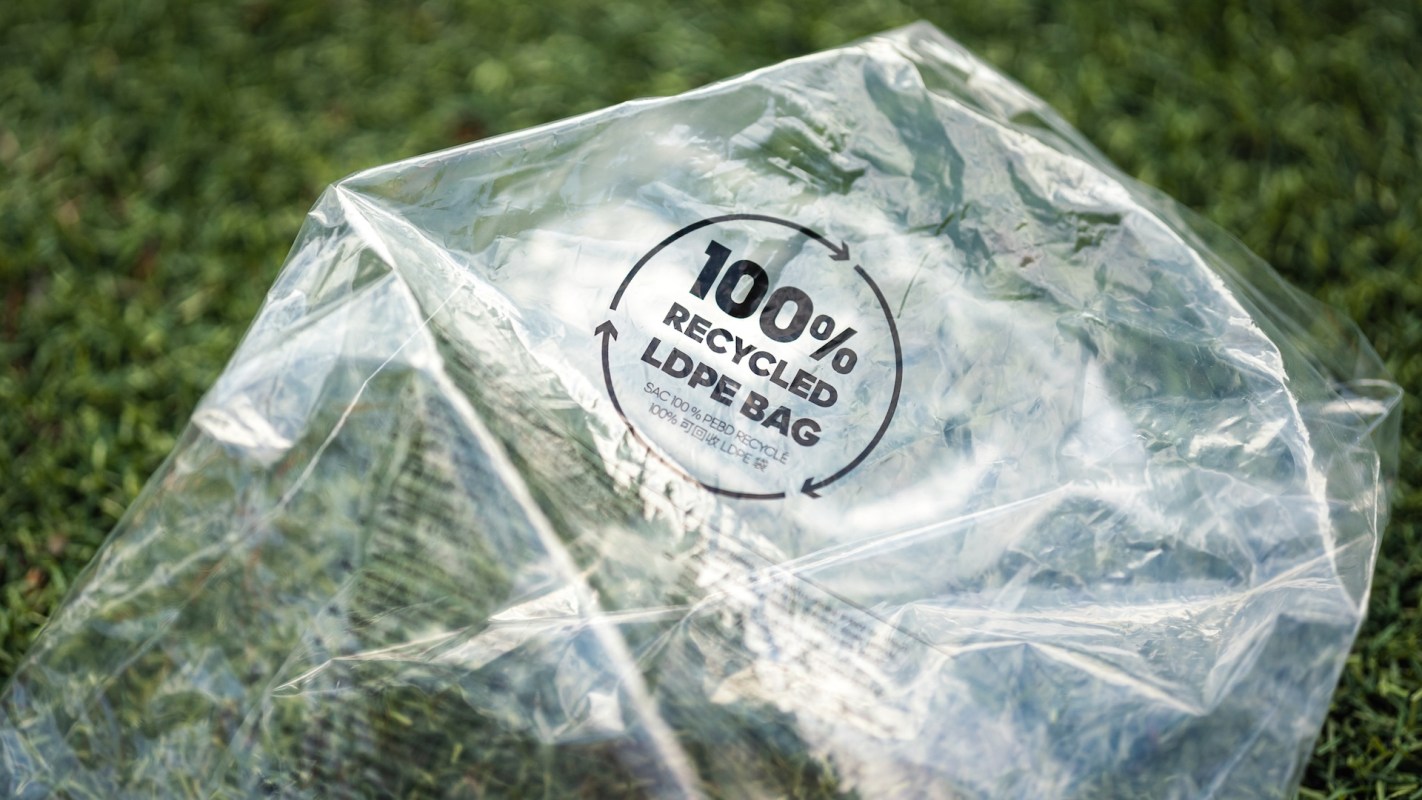
A package stamped with the word "recycled" can feel like an easy win for shoppers trying to cut down on waste. But in California, lawmakers are pushing to ensure that labels actually reflect what is in the packages.
If signed into law by Governor Newsom, AB 2253 could make recycled-content claims harder to manipulate and easier for consumers to trust.
Here's what to know
Under the 2026 proposal from California Democratic Assemblymember Tasha Boerner, packaging makers could no longer simply point to one sample to support a recycled-content claim. Instead, as Packaging Dive reported, the bill, AB 2253, would require companies to measure recycled inputs across the entire production run, not just a single sample.
If a business can highlight only its most favorable batch, shoppers may believe they are purchasing something far more sustainable than it really is. Requiring broader tracking could help close a common greenwashing loophole that promotes overstated recycled-content claims.
The California bill is landing during a broader 2026 debate over recycled-content labeling. Federal lawmakers have also introduced the Tracking Plastic Act, the Recycled Materials Attribution Act, and the Truth in Labeling Act, per Packaging Dive, all of which underscore the public's desire for greater transparency in labeling.
Packaging industry groups have perhaps unsurprisingly pushed back on AB 2253.
TCD Picks » Quince Spotlight
💡These best-sellers from Quince deliver affordable, sustainable luxury for all




More background
Because California already requires minimum recycled-content levels in plastic beverage containers, AB 2253 would build on the larger state effort to define what credible packaging claims should mean.
These labels shape purchasing decisions, especially for people trying to reduce waste, support better manufacturing practices, or avoid products that rely heavily on virgin plastic. If labels are misleading, consumers can end up paying more for packaging that does not deliver the environmental benefit they expected.
When "recycled" claims are vague or inconsistently verified, it becomes harder for consumers to tell the difference between products making genuine progress and those simply using sustainability language as a marketing tool.
Clearer standards make it easier for responsible companies to stand out and harder for weaker claims to blend in with the real thing.
AB 2253 has passed the state's Senate with a 28-10 vote and the Assembly with a 42-20 vote, per Packaging Dive, meaning that Governor Newsom can sign it into law (and can do so only until September 30).
Where can I learn more?
California's effort to verify recycled-content claims is part of a wider push to rein in packaging labels that promise more than they deliver. These articles look at how states and major companies are being challenged to back up sustainability messaging with standards consumers can trust.
• In California, lawmakers advanced a crackdown on greenwashed recycling and compostable labels.
• An investigation found Amazon absolutely lying on packaging marketed as recyclable to shoppers.
• In Minnesota, lawmakers approved stringent standards on plastic packaging to curb waste.
These stories highlight why clearer rules matter when environmental claims shape what people buy. With more scrutiny on the way, trust in packaging labels must come down to verifiable numbers rather than marketing language.

Get TCD's free newsletters for easy tips, smart advice, and a chance to earn $5,000 toward home upgrades. To see more stories like this one, change your Google preferences here.






