


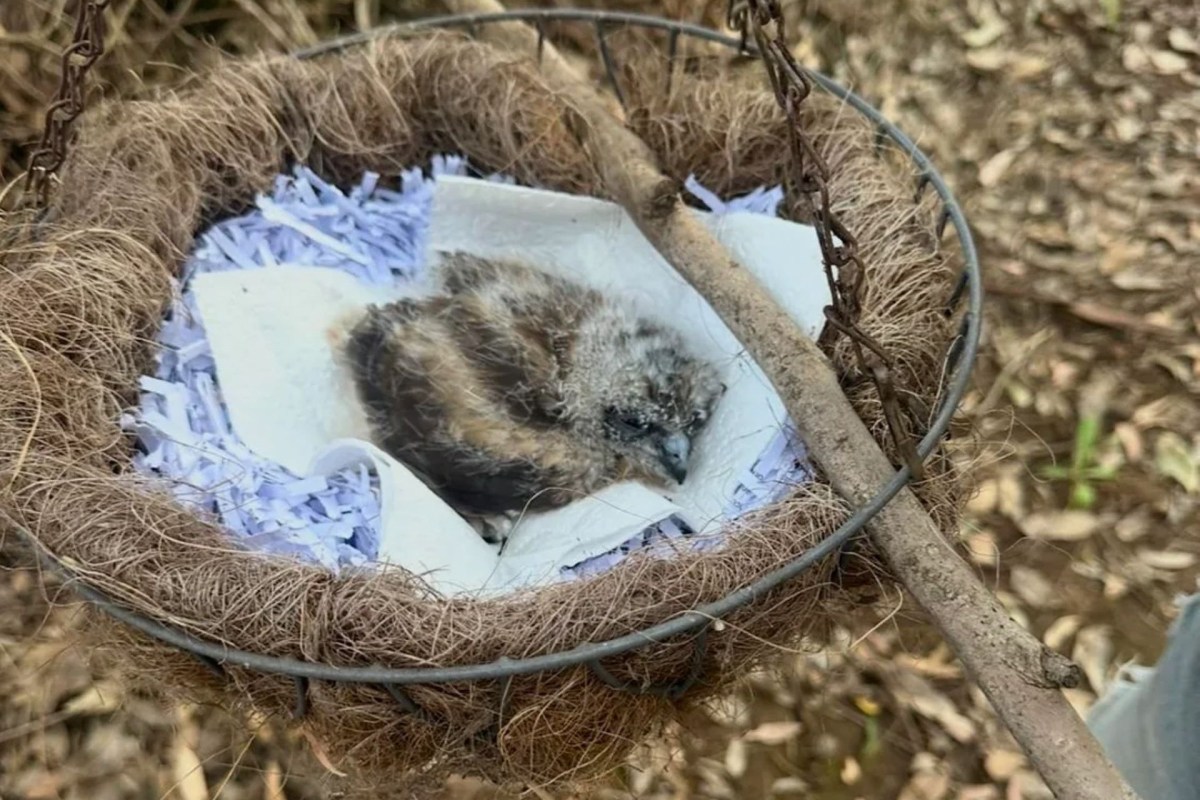
An adorable baby tawny frogmouth that looked unlikely to make it after being found alone on the ground beside an Australian bush trail seems to have made a quiet recovery.
After putting it in a simple hanging basket, the tiny bird disappeared — in this case, possibly the best outcome for this bird.
Here's what to know
The makeshift solution came after the finder looked up what to do and decided not to take the bird away. In their post on Reddit, they said a windy walk along a bush trail had led them to a chick that "wasn't looking too good," so they rigged up a basket with a stick across it and hung it high in a tree near the discovery site so its parents may be able to find it.
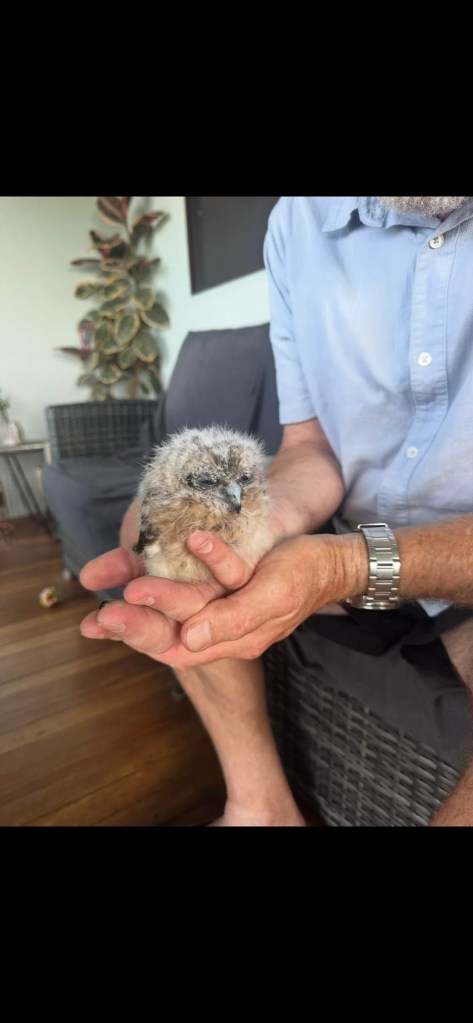
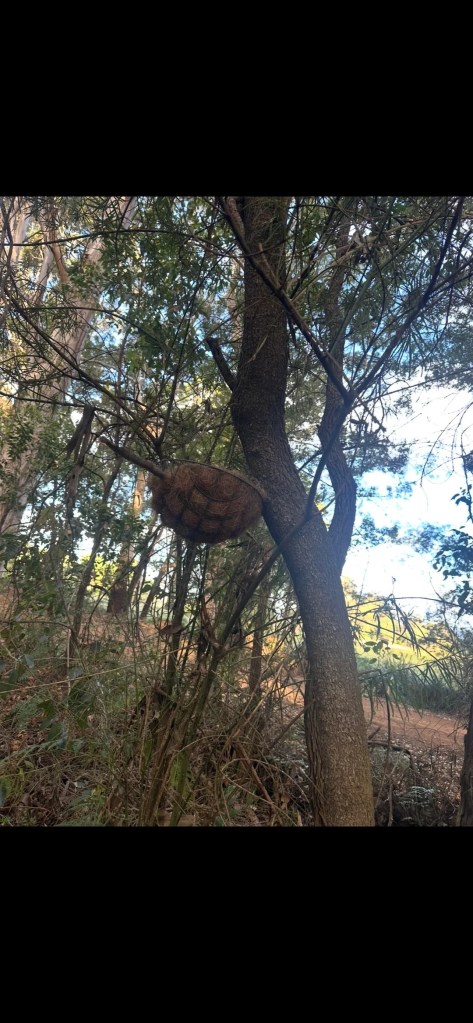
Rather than separate the chick from natural care from its mother, the basket was meant to function as a temporary, safer perch. As the poster explained, "From there its mother will feed it, and when it's strong enough it will fly back up to the nest."
Tawny frogmouths are unusual, highly camouflaged Australian nightbirds that can be especially vulnerable when they are very young. Though they are often mistaken for owls, they are a separate kind of bird known for freezing in place and blending in with tree branches.
Reuniting a young bird with its parent is often the best outcome when the animal is not seriously injured. In this case, the setup appears to have done just that.
TCD Picks » Quince Spotlight
💡These best-sellers from Quince deliver affordable, sustainable luxury for all




The original poster wrote that the bird seemed to be recovering with this method: "This worked perfectly; each day this little bird looked better and stronger. There was evidence that the mother had been feeding it since day one."
They added: "At the six-day mark, it was gone. We checked the ground around the area very thoroughly and it wasn't there, so we assumed it made its way back to the nest."
More background
Many people who find a baby bird assume the safest option is to bring it indoors, feed it, or move it somewhere else entirely. But if a parent is still nearby, that can actually reduce the bird's chances of survival.
Encounters like this can also be tied, at least in part, to human activity. Trails, development, traffic, pets, and habitat disruption can all make it more likely that people will encounter distressed wildlife in vulnerable situations. As the BBC has explored in its reporting on why wild animals increasingly come into conflict with people, human expansion into natural spaces can reshape how animals behave and where these encounters occur.
People are often the first line of help when a vulnerable animal is spotted. A careful response can give wildlife a second chance without turning a stressful situation into an even worse one.
The rescue relied on a low-tech solution that supported, rather than replaced, natural parenting behavior.
What can be done?
If you find a young bird on the ground, the best first step is usually to pause before stepping in. Watch from a distance, check for obvious injuries, and see whether a parent returns. If the bird is in immediate danger, moving it only a short distance to a safer nearby location can sometimes help.
When possible, contact a licensed wildlife rehabilitator, rescue group, or veterinarian before attempting to feed or treat the animal yourself. Baby birds have specialized needs, and improper food or handling can cause serious harm.
Keeping cats and dogs away is also critical. Even a brief encounter with a pet can be fatal for a small wild bird, especially one already weakened by weather or a fall from the nest.
Where can I learn more?
The frogmouth's recovery was made possible with a non-invasive, but essential response: reduce the immediate danger, then let its parent do the rest. These articles feature other rescuers seeking a similar balance.
• In Britain, the RSPCA found a snake caught in garden netting, a common backyard hazard.
• A backyard container pond for frogs became a target for a cat, showing how pets can upend wildlife-friendly plans.
• At a Philippine refuge, a python and water monitor were freed after a painful period of captivity.
Everyday environments can turn risky for wild animals fast. They also underscore how much careful, informed intervention can matter when someone comes across one in trouble.

Get TCD's free newsletters for easy tips, smart advice, and a chance to earn $5,000 toward home upgrades. To see more stories like this one, change your Google preferences here.







