


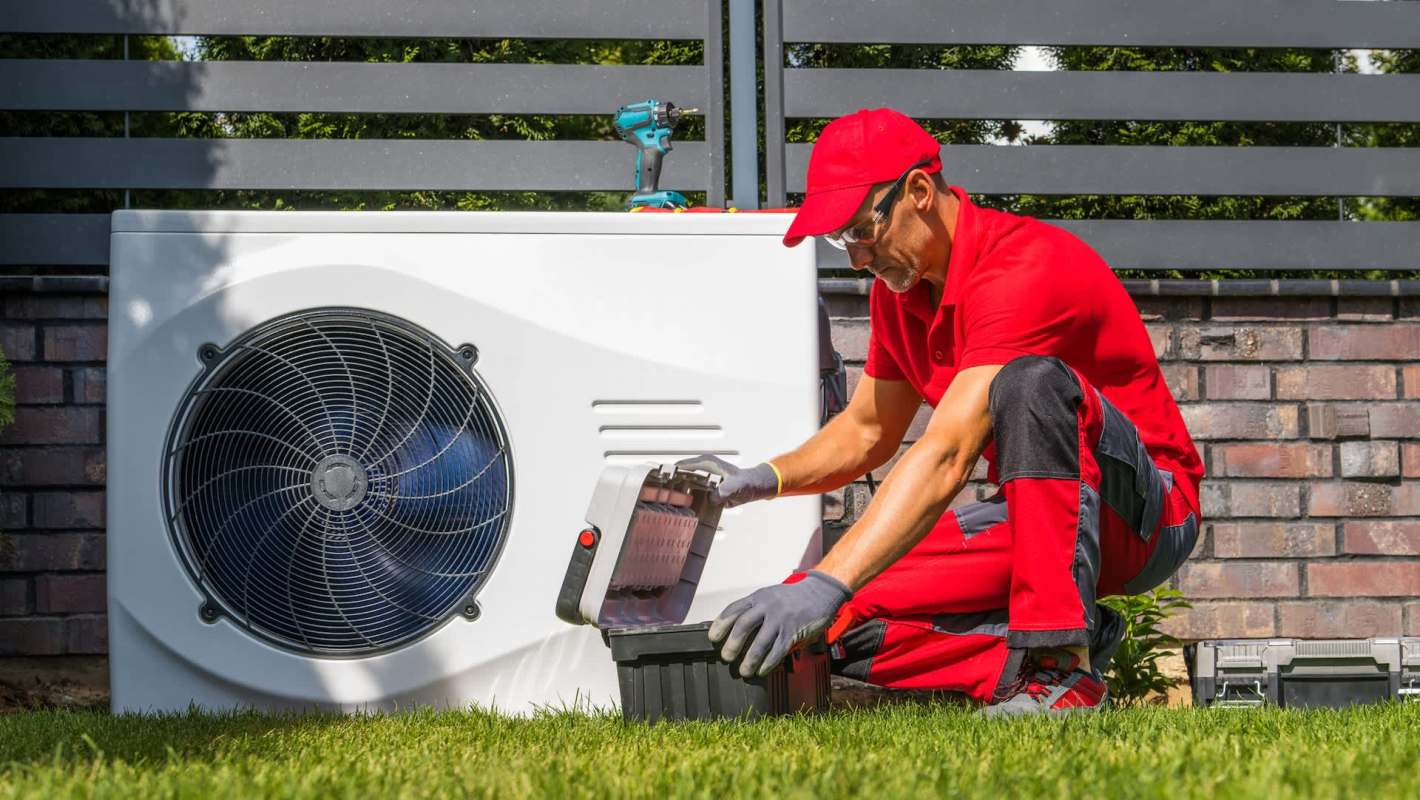
The push to put 6 million heat pumps in California homes by 2030 is as much a workforce issue as a consumer one. Reaching that mark will depend in part on whether HVAC instructors have up-to-date tools and training for the technicians they teach.
Here's what to know
One effort aimed at that bottleneck is Heat Pump Ready, a California program run by TECH Clean California. According to ACHR News, the initiative works with ESCO Institute and manufacturers such as Daikin, Fujitsu, LG, and Mitsubishi to prepare instructors and connect schools with equipment students are likely to see in the field.
For participating programs, the process begins with instructor training through ESCO Institute's 10-chapter High-Performance Heat Pump course. Eligible schools can then receive up to $8,000 in equipment, and round three, set to begin August 15, will raise that support to $15,000.
Classrooms that skip these upgrades can get stuck with decades-old systems, leaving students without the skills the heat pump market now demands.
Heat pumps are becoming a more common home energy upgrade. The systems can both heat and cool a home, often use less energy than older equipment, and can help cut the pollution tied to heating. Howard Weiss, president of ESCO Institute-HVAC Excellence, said stronger training is overdue.
"Many technicians in the field aren't yet aware of how these systems work, and we have a tremendous opportunity to change that by empowering HVACR educators," Weiss said.
TCD Picks » Quince Spotlight
💡These best-sellers from Quince deliver affordable, sustainable luxury for all




"If instructors aren't trained on modern systems, students graduate unprepared. If students graduate unprepared, contractors struggle to hire from these programs, and the workforce shortage gets worse."
More background
About 127 instructors took part across 79 school sites during the program's first two rounds. TECH Clean California has also funded equipment for 72 schools statewide, with 53 currently active.
Pepper Hunziker, of Tre'Laine Associates LLC and a TECH Clean California workforce education and training partner, said many schools are still teaching students on outdated equipment.
"They'll often get older or donated used equipment. Instructors also don't always get trained on the equipment, so it's hard to actually transact with that and to train students coming out," Hunziker said.
Weiss noted that some HVAC professionals still think heat pumps can't handle colder climates, even though newer inverter-driven systems can run well below zero.
Weiss said that "Heat pumps now outsell gas furnaces by nearly 35%."
What's being done?
Manufacturers help run the training, not just fund it. ACHR News reported that round three, set to begin August 15, will also add ESCO's heat pump water heater fundamentals course, with A.O. Smith, Bradford White, Eco-Logical, and LG taking part.
Hunziker said focusing on instructors can create a lasting ripple effect, since each teacher goes on to train new students year after year.
"Training an instructor really has this year-over-year impact for the people coming into the market, and you know, just seeing that 700-plus students annually will come through our round one participating schools? That's a tremendous opportunity for us as a collective," she said.
Hunziker said funding, oversight, and school readiness still matter most. Programs need funding for equipment, methods to verify instructor training, and facilities with sufficient space and power to support the technology.
Other states are beginning to move in the same direction. The Building Performance Foundation has launched Penn Heat Pump Pathways in Pennsylvania to help recruit, train, and upskill workers for heat pump installation.
Weiss said the Heat Pump Ready model could work as an example for other states.
"It shows that when the industry is willing to work together, we can overcome any obstacle, including changing what's taught in the classroom and upskilling the workforce," he said. "The industry is evolving. Education and contractors must evolve with it."
Where can I learn more?
California's training push is playing out in a heat pump market shaped by installer misinformation, changing building rules, and advances in cold-weather technology. Better-prepared instructors and technicians will matter even more as demand grows.
• Homeowners are denouncing HVAC techs who refuse ultra-efficient heat pumps, underscoring persistent installer misinformation.
• In Washington State, heat pumps will be mandatory in new homes. Washington State will require heat pumps in new homes, boosting demand for installers.
• Lennox has introduced a cold-climate heat pump that challenges old doubts about subzero performance.
• Startup Quilt is building an easier home conversion path that could widen heat pump adoption.
Homeowners increasingly need technicians who can install, explain, and service these systems with confidence.

Get TCD's free newsletters for easy tips, smart advice, and a chance to earn $5,000 toward home upgrades. To see more stories like this one, change your Google preferences here.






