


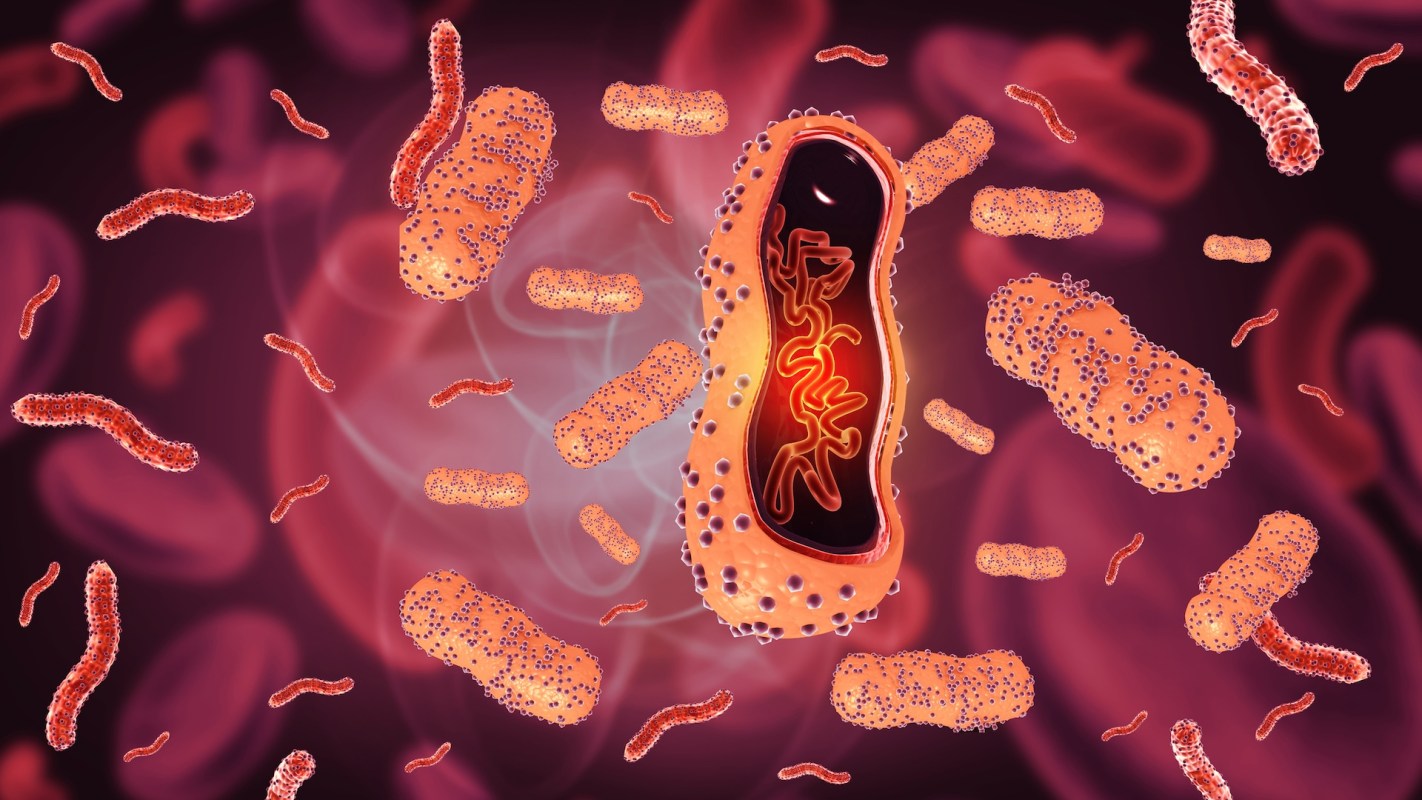
A fatal transplant case in Michigan exposed a troubling blind spot in American medicine, where human rabies infections in the United States are far more common than case counts show.
Here's what to know
ScienceAlert reported that over 90% of human rabies infections in the U.S. are never diagnosed, according to a new CDC-linked analysis.
The warning follows the death of a kidney transplant patient who acquired rabies through a donated organ from an infected donor — the fourth time this has occurred.
Only after the transplant did investigators determine that the Idaho donor, who had died, had contracted rabies from a reported skunk scratch on his rural property. That infection was not known when his organs were donated.
More background
The Michigan case appears to reflect a broader pattern in which some rabies infections are never recognized.
Rabies is typically acquired through bites or scratches from infected animals. One of the deadliest viral infections, survival is exceedingly rare once symptoms begin.
TCD Picks » Quince Spotlight
💡These best-sellers from Quince deliver affordable, sustainable luxury for all




In a country where human rabies is exceptionally rare, doctors may not immediately suspect it, especially when the exposure history is unusual or incomplete. A missed diagnosis can delay treatment and make it harder for hospitals and public health officials to respond.
"The instances of rabies transmission from initially undiagnosed deceased donors suggest that many human deaths due to rabies are not diagnosed as such, considering that only a small percentage of people dying in the U.S. become organ and tissue donors," the researchers wrote.
What's being done?
Cases that fall outside an expected pattern can prompt reviews of how unusual infections are identified in both donors and recipients, indicating where systems need improvement.
Public health investigators can trace animal exposures, medical histories, and transplant timelines to better understand where warning signs were missed.
The goal is not to discourage organ donation, which saves lives every day, but to strengthen screening and diagnostic awareness around rare infections.
The most effective protection is quick action after a possible exposure. Avoid handling wild animals, vaccinate pets, and seek medical care promptly after any bite or scratch from an unfamiliar or potentially infected animal.
If an exposure seemed minor, mention it anyway. In some cases, one detail can change the diagnosis.

Get TCD's free newsletters for easy tips, smart advice, and a chance to earn $5,000 toward home upgrades. To see more stories like this one, change your Google preferences here.






