


A billing error led to an unusually large charge for a Hawaiian renter.
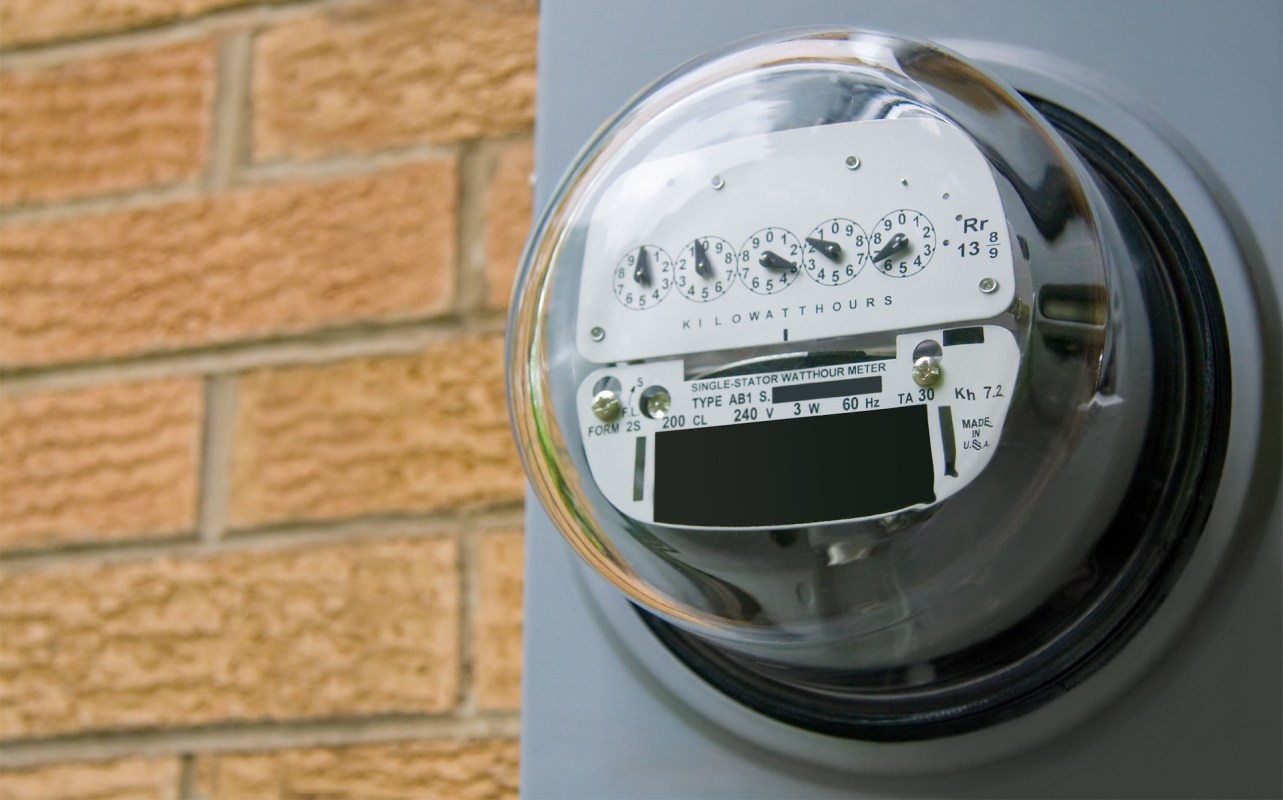
A Reddit user described how they first believed they owed over $550 for their electricity bill before finding out their neighbors were being billed through the same electric meter.
Even after the amount was recalculated, the share still came to $350 — a figure the poster thought seemed steep for a home with no air conditioning.
Here's what to know
In the post, the renter said their family lived in an upstairs apartment near Bishop Museum and was told the June-July power bill would be "an outrageous $550+."
They said an explanation emerged after a phone call. The two-story property was on one electric meter, though another meter was to be installed for the downstairs household.
To the user, the charge seemed high given how the apartment was set up. They said the home depended on jalousie windows and had an oven, a fridge, an instant pot, a coffee maker, a water dispenser, a washer, a dryer, gaming PCs, a dehumidifier, an air purifier, and a mini fridge.
TCD Picks » Quince Spotlight
💡These best-sellers from Quince deliver affordable, sustainable luxury for all




More background
The sticker shock was tied to a billing setup problem, not household consumption. When a single meter is shared across households, it can be hard for renters to know how much energy they are using and whether a bill is high.
Once the main issue was identified, commenters pointed to a few likely culprits that can make bills high: hot water, drying clothes, and electronics that stay on for long periods.
What can be done?
The most practical advice in the responses was to measure usage.
One commenter recommended getting a pass-through socket meter, adding, "Then use it to figure out where your power is going."
The fridge, dehumidifier, and old appliances were the other likely culprits.
Other users noted they could save money by restricting when the water heater runs. For homes with electric water heaters, such a change could make a big difference.
The thread also surfaced smaller steps, including cleaning refrigerator coils, switching light bulbs to LEDs, drying clothes on a line after a short machine cycle, and checking whether always-on electronics are using more energy than expected.
Where can I learn more?
A sky-high utility bill is not always about using too much power. Sometimes the issue is a bad meter setup, an estimated charge, or appliances that quietly drive up the total.
• A new water meter revealed years of estimates behind a homeowner's $1,575 shock bill.
• A TikTok showed hidden energy vampires can drive electric bills higher than many people expect.
• After one thermostat change, this bill was cut in half during heavy AC use.
• With rooftop solar, one trader received $500 back back from their utility.
• Millions of people are still eligible for federal incentives of up to $14,000 in home energy upgrades.
For anyone with a bill that feels off, the takeaway is simple: Confirm how the home is being metered, then figure out which appliances are doing the most work. A shared setup or just a few high-draw devices can push the total well beyond expectations.

Get TCD's free newsletters for easy tips, smart advice, and a chance to earn $5,000 toward home upgrades. To see more stories like this one, change your Google preferences here.






