


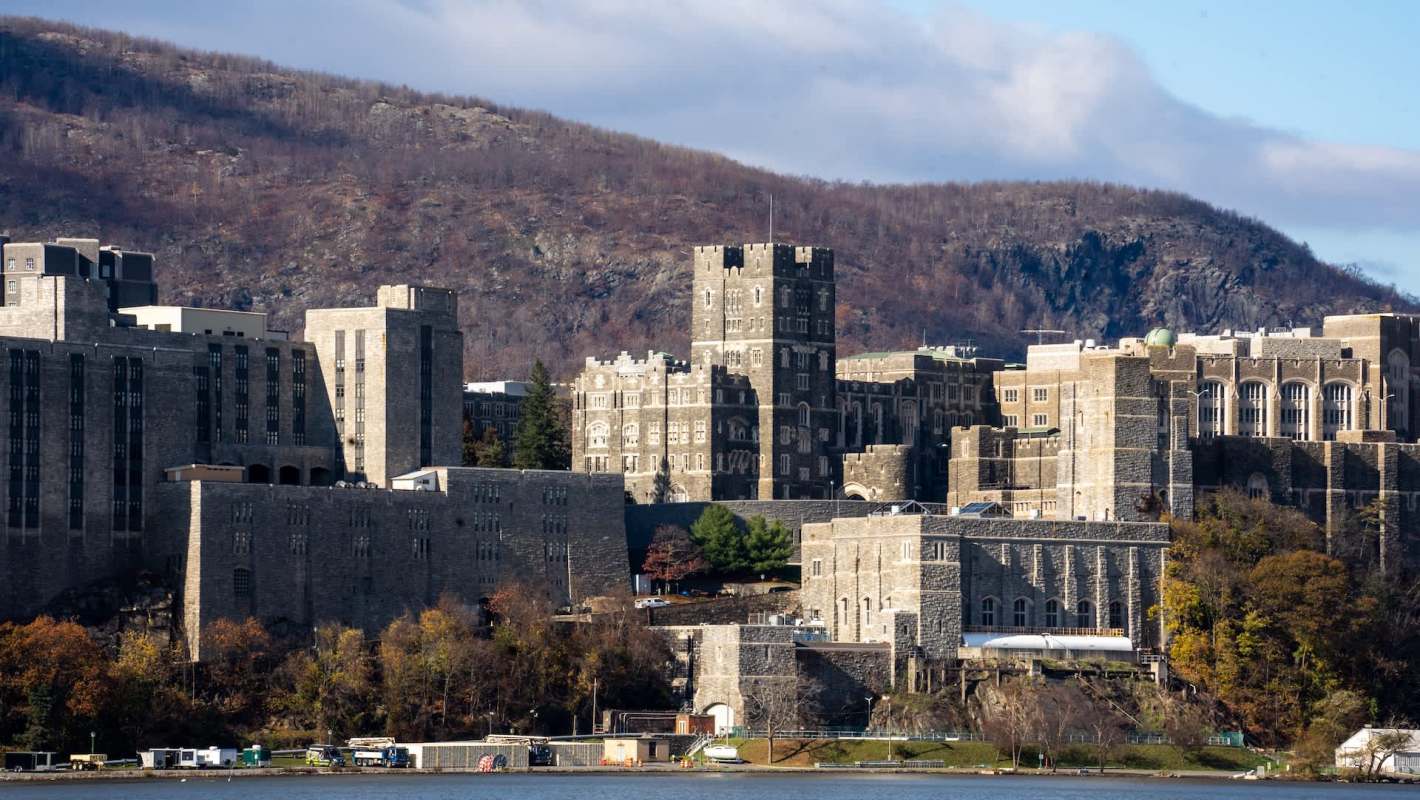
West Point's only climate scientist says the academy pushed him out after he refused to omit a central point of climate science from his teaching: that human activity is causing the crisis.
That allegation, laid out in a new lawsuit, is raising concerns about what future military leaders are — and aren't — being taught about a threat that affects public safety, infrastructure, and military readiness, according to The Guardian.
Here's what to know
Adam Kalkstein, a civilian geography professor who spent 17 years at West Point, says the academy fired him after the spring semester because he would not stop teaching cadets about the human causes of climate change.
In the lawsuit, Kalkstein asserted that he was given that instruction in September 2025, The Guardian reported.
He explained that the dispute culminated in a November meeting with Brig. Gen. Shane Reeves, then the head of West Point's academic board, wherein Kalkstein argued the directive "would be like trying to teach the law without being able to even mention the Constitution."
The suit was filed in federal court in New York's Southern District and says West Point violated Kalkstein's First Amendment rights.
TCD Picks » Quince Spotlight
💡These best-sellers from Quince deliver affordable, sustainable luxury for all




It also alleges that Reeves told him Donald Trump, as commander in chief, set the academy's agenda before "storming out" of the meeting.
West Point told The Guardian it was "aware of the allegations and take[s] such matters seriously" but that it would not comment while the suit was pending.
More background
Military officers may make decisions about disaster response, base operations, supply systems, and community safety — all areas increasingly affected by worsening heat, flooding, storms, and other climate-linked disruptions.
Kalkstein's attorney, Michael Sussman, told The New York Times that his client is "a conservative Republican" who believes cadets need accurate climate instruction as a matter of national security.
"He is loyal to the cadets and the academy," Sussman said.
The lawsuit comes amid a broader fight over academic freedom at West Point.
Tim Bakken, the academy's longest-serving law professor, filed a separate lawsuit after objecting to a Trump administration policy that required civilian faculty to obtain approval before publishing papers or giving speeches.
Bakken's lawsuit alleged that Col. John Gregory told him to "stop talking and sit down," according to The Washington Post.
"We're a military institution. We follow orders," Gregory reportedly added.
What's being done?
Kalkstein's lawsuit directly challenged the alleged restriction on climate teaching and his termination.
Bakken's case prompted movement. West Point stopped fighting a preliminary injunction against the publication approval policy, and both sides acknowledged that they planned to pursue a lasting resolution.
Sussman told Stars and Stripes that Kalkstein's stance was not ideological.
"There are certainly people who, anything Donald Trump does, they want to complain about it and scream and yell about it. He's not that guy," Sussman said.
He told the Times, "And to his perspective, edicts that he can't say what's true in a classroom is beyond his tolerance and totally counterproductive."
Where can I learn more?
Kalkstein's allegations are part of a much broader fight over whether scientists can speak plainly about the human causes of climate change.
These articles explore that tension from a few angles, including attacks on scientific-integrity rules and a push by climate experts to counter misinformation about human-driven warming.
• Across the federal government, scientists are losing protections as scientific-integrity rules are rolled back.
• Climate scientist Katharine Hayhoe has continued defending the human causes of planetary warming against misinformation.
• A doctoral student publicly challenged claims that don't factor in human impact on climate.
At stake is whether institutions responsible for public safety will allow experts to teach established climate science without censorship.

Get TCD's free newsletters for easy tips, smart advice, and a chance to earn $5,000 toward home upgrades. To see more stories like this one, change your Google preferences here.






