


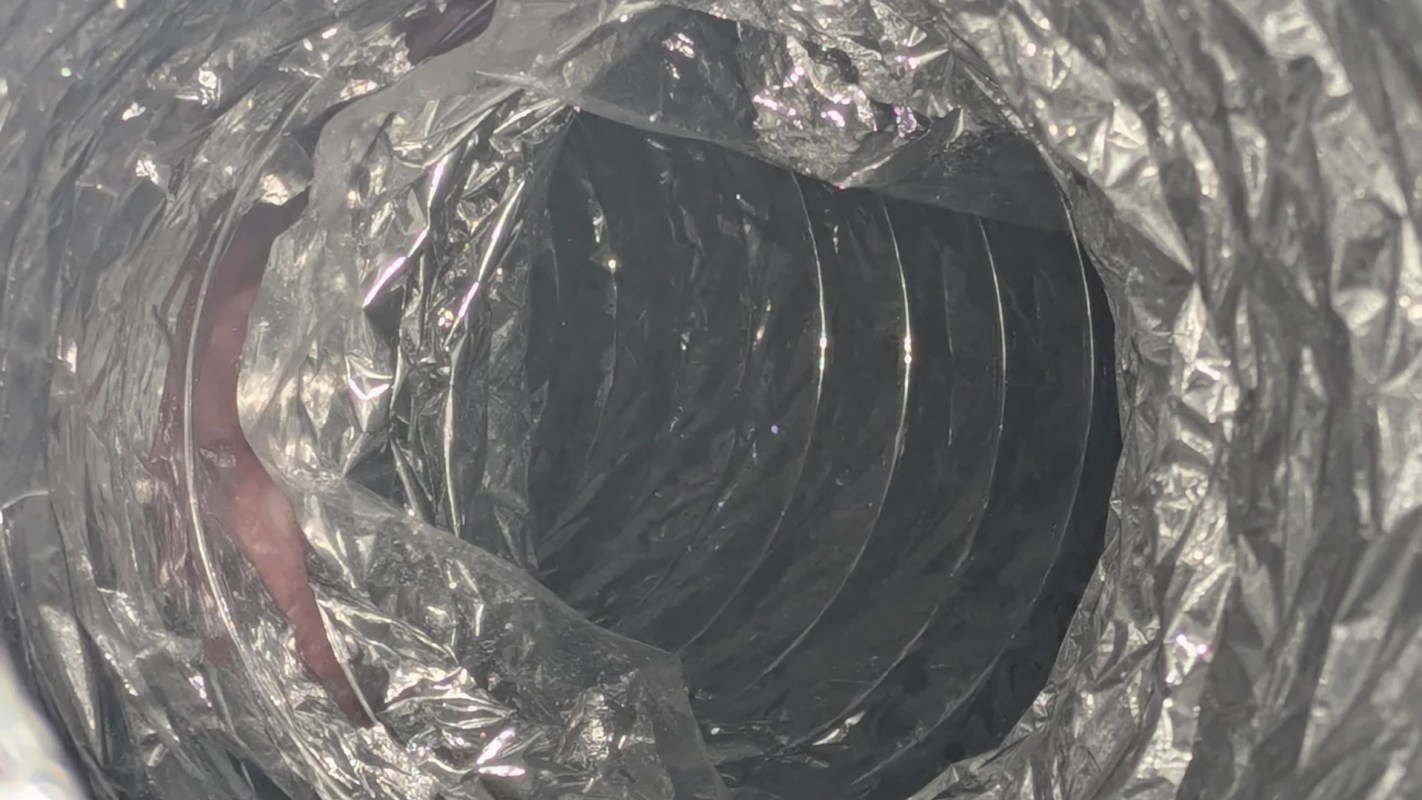
A routine HVAC cleaning became a source of stress for one homeowner after scraps of foil and odd noises raised concerns that several flexible air ducts may have been torn open.
If that suspicion is correct, what was supposed to be routine maintenance could instead lead to invasive repairs in as many as eight rooms, while also wasting energy in the meantime.
Here's what to know
The warning signs showed up after all 27 ducts had already been professionally cleaned, the homeowner wrote in a post on Reddit.
They said they later found "foil pieces on the ground" near multiple vents, heard a crinkling noise from three ducts when the air conditioner kicked on, and then used a camera to inspect one run, where they concluded that "clearly the flexible duct got damaged."
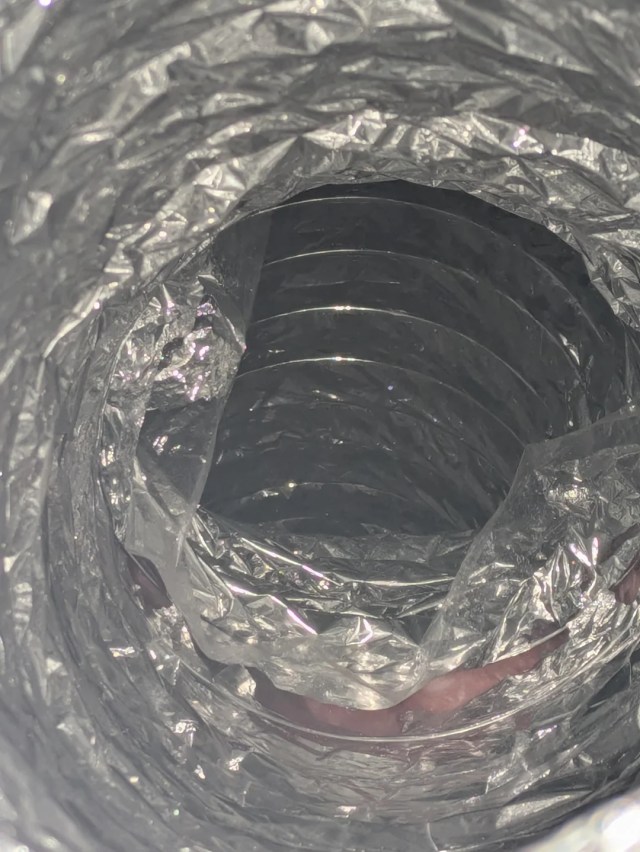
Because the home uses flexible ductwork rather than rigid metal runs in some areas, the homeowner wondered whether the cleaning gear may have been too forceful. Flex ducts are widely used but also easier to damage than metal ducting.
When a section gets torn, kinked, or crushed, airflow can drop, the system may have to work harder, and cooled air can end up spilling into places where it is not helping cool the home.
One commenter put the concern plainly: "This is why most ac techs say don't get your ducts cleaned. We know how fragile the interior ductwork is and shouldn't be touched."
That kind of damage can also lead to higher utility bills and unnecessary strain on an HVAC system.
Crushed by your bills? See instant solar savings from vetted installers in just a few clicks With energy prices through the roof, there's never been a better time to go solar — and EasyHome can help you find the best prices from the best installers in your area. EasyHome takes the guesswork and headaches out of energy upgrades by showing you estimated savings from a network of vetted local partners. To get started, just enter your ZIP and share a few details about your home — seeing your estimate is really that easy. |

If you're already wondering whether your setup is still working efficiently, Palmetto can help homeowners understand their HVAC options and slash their energy bills with new, efficient HVACs and heat pumps. Its Comfort Plan network can help you find efficient heating and cooling solutions for your home and connect you with vetted installers.
More background
If the damaged ducting is hidden behind finished surfaces, fixing it may mean opening drywall or ceilings.
Duct issues often go unnoticed until they become expensive. If conditioned air is leaking into an attic or wall cavity, homeowners may notice rooms that never seem comfortable, an HVAC system that runs longer than it should, or utility bills that keep rising without a clear explanation.
Upgrading heating and cooling equipment can be one of the most effective ways to lower utility bills and guard against rising energy costs. Even if the damage is limited, older systems and inefficient duct setups can quietly waste energy for years.
What can be done?
Documentation is the first step when duct damage is suspected. Taking photos, recording the noise, and noting where debris was found can all matter if a company may be responsible for repairs.
As one commenter warned, "Now you have to prove they did it with before and after pictures."
The next step is getting an independent HVAC opinion before agreeing to any repair plan. Some damaged flex runs may be replaceable without widespread demolition, while others could require opening walls or ceilings.
If the system is older, it may also be a good time to compare higher-efficiency options that could lower monthly energy costs.
Palmetto's Comfort Plan is one option if you're not ready to spend up front. It includes options that can lower your heating and cooling costs, along with free maintenance.
And if you want to cut bills even further, homeowners can pair solar panels with electric appliances like efficient HVACs. EnergySage makes it easy to find the best solar system and installer for your home and budget, potentially saving you on installation costs.
The original poster added, "I'm hopeful they'll be very cooperative and cover any damages, but you never know I guess."
Where can I learn more?
These articles touch on the same headaches: delicate ductwork, hidden HVAC issues, and routine service that can suddenly turn expensive.
They also show how a simple call for help can lead to asbestos concerns, disputed repair charges, or maintenance problems that reveal something much bigger.
• In one basement, a cool air leak in ductwork raised immediate asbestos concerns.
• One homeowner said a fishy $2,000 HVAC repair left them feeling strung along.
• A simple fix spiraled into an "unprofessional" $2,300 bill, raising scam concerns.
• In New York, a tech found a frozen AC unit and no obvious filter.
What starts as a minor HVAC issue can escalate fast — and get contentious just as quickly. Keeping that in mind may help homeowners ask better questions before they sign off on repairs.

Get TCD's free newsletters for easy tips, smart advice, and a chance to earn $5,000 toward home upgrades. To see more stories like this one, change your Google preferences here.






