


A team of neurosurgeons in London carried out what health officials called the world's first successful AI-assisted brain tumor removal, and the technology helped preserve a patient's sight.
For Rhys Hibbert, a 48-year-old from Bedfordshire, the impact was immediate: he could see clearly after the operation and quickly got back to everyday life.
Here's what to know
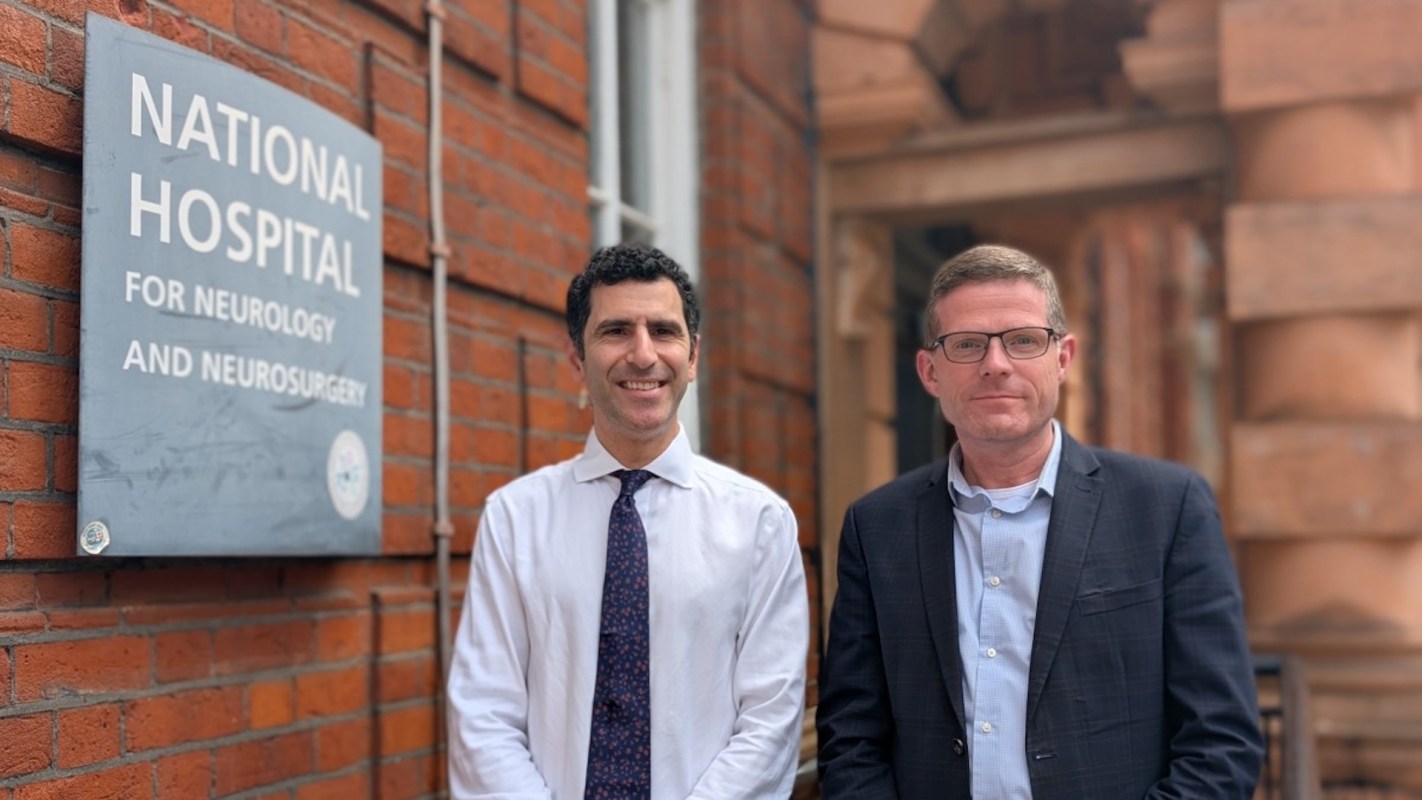
According to The Guardian, the surgery was performed in May at UCLH's National Hospital for Neurology and Neurosurgery, though it was not publicly disclosed until August 27, 2026.
As surgeons operated on Hibbert's 0.4-inch (11-millimeter) pituitary tumor, the AI system analyzed live video from the procedure and highlighted nearby anatomy.
Color-coding structures such as nerves and blood vessels helped the team avoid tissue associated with vision and other vital functions, while the surgeons retained control throughout.
Officials said the area around the pituitary gland is so crowded that an error of just a millimeter, or 0.04 inch, can lead to blindness, stroke, or death.
TCD Picks » Quince Spotlight
💡These best-sellers from Quince deliver affordable, sustainable luxury for all




"When I came round … I could see everything in the room clearly," he said.
He was able to walk independently again without glasses or sticks.
More background
After his 2024 diagnosis, Hibbert was initially treated without surgery. But as his condition worsened, he developed severe hormone imbalance and vision problems, and health officials said he would have faced blindness without the operation.
The hospital had used the AI system only for research, making this surgery its first use in patient care.
Dr. Sophia Bano, a UCL associate professor in robotics and AI who served as the system's technical lead, said the technology was trained on "hundreds of surgical videos."
"It is designed to help recognise critical anatomy, surgical instruments and tissue interactions in real time, supporting the surgeon during highly delicate procedures," she added.
What's being done?
The National Institute for Health and Care Research funded the procedure as part of a clinical trial.
During Hibbert's operation, the AI was used to identify tiny structures in real time.
Professor Mike Lewis, the NIHR's scientific director for innovation, said the "pioneering surgery" highlighted the potential of advanced AI to support surgeons and improve patient care.
"It feels like I've got a 360‑degree panoramic view of everything around me," he said.
Where can I learn more?
The London operation is one example of AI moving into some of medicine's most delicate work, where precision can protect sight and other vital functions.
Other coverage looks at the wider picture, from how AI handles health advice to the public-health costs of the infrastructure that powers it and efforts to reduce those demands.
• Researchers found small words make big differences when AI gives patients health advice.
• Communities near AI data centers face a growing toll on human health from pollution.
• At Microsoft, data center cooling could change as AI demand pushes infrastructure higher.
That broader context helps explain why medical AI is drawing both excitement and scrutiny. As hospitals test these systems in high-stakes care, reliability and real-world impacts matter alongside the promise.

Get TCD's free newsletters for easy tips, smart advice, and a chance to earn $5,000 toward home upgrades. To see more stories like this one, change your Google preferences here.






