


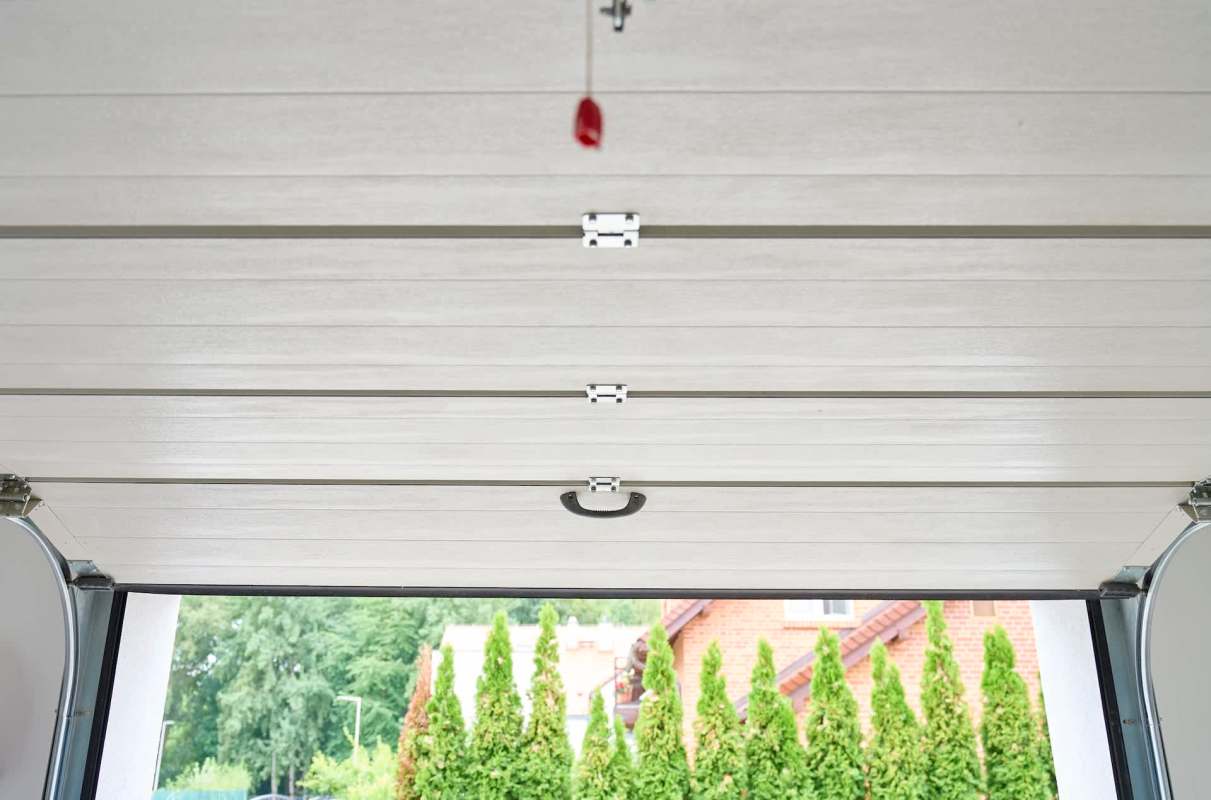
A Houston-area homeowner with a three-car garage that absorbs intense heat for much of the year asked the internet whether insulating the space could lower temperatures, ease the strain on a spare refrigerator, and cut utility costs.
The homeowner also wanted to know whether the persistent heat would pose any long-term structural risk, turning a comfort issue into a question about energy use and home upkeep in hot climates.
Here's what to know
In a post to Reddit's r/Homeowners community, the original poster asked whether insulating their garage doors and ceiling could lower the temperature inside.
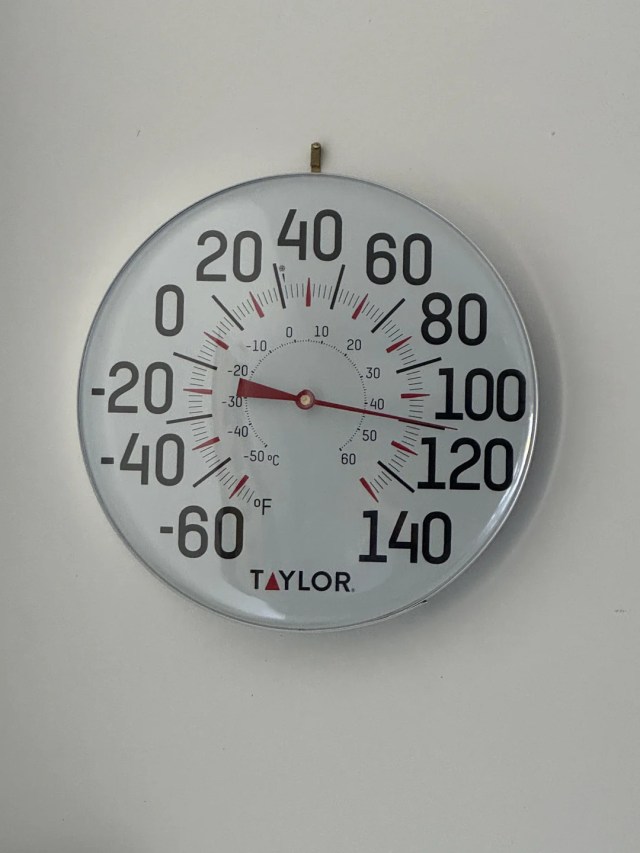
They said that their garage has three sides exposed to the elements, no ceiling insulation, and only a small portion beneath a spare bedroom rather than a strong connection to the rest of the house. While seeking advice from the Reddit community, the OP also attached a picture showing the garage temperature was well over 100 degrees.
OP noted that the fridge "works harder than it should at least six months of the year" and wondered whether the persistent heat could create any structural problems.
Commenters largely agreed on two points. First, that the setup likely is not causing structural damage, and second, that insulating the garage door can make a meaningful difference.
TCD Picks » Quince Spotlight
💡These best-sellers from Quince deliver affordable, sustainable luxury for all




One commenter said, "Insulating the doors is pretty inexpensive. We did that for our prior house with a SW facing garage. Dropped the garage temp almost 20 degrees." Another commenter put it more bluntly, writing, "No structural issue. Your fridge is helping heat up the garage though."
More background
Garages in hot-weather cities can turn into major heat traps, especially when they face strong afternoon sun and lack ceiling insulation. Even when the space is not air-conditioned, extreme temperatures can still affect how usable it is day-to-day.
A garage that holds heat well into the evening can make storage, loading vehicles, and quick household chores much less tolerable.
Among the replies, garage-door insulation emerged as the most common recommendation. Commenters described it as affordable and fairly simple to install, with one noting that panels from big-box hardware stores can be trimmed to fit. One popular, cost-effective option is reflective aluminum foil-lined insulation kits, which take out some of the DIY steps while providing a foil layer on each side of the foam panels that act as radiant thermal barriers.
"We had a handyman do it but after I saw it we could have done it ourselves easily," one commenter wrote. The same person added that their door did not need rebalancing after installation because "It's basically styrofoam so there isn't much weight."
Several commenters also said the ceiling above the garage is worth insulating too, especially in hotter climates, though it's worth noting that most garages need some kind of ventilation as well and typically should not be airtight in order to release moisture and heat. To that point, many modern garages are built with soffit vents and ridge cap vents to circulate out air. Still, even without an airtight enclosure, insulation can help to narrow the temperature ranges of the garage.
One person wrote that adding insulation to the door and ceiling, along with a mini-split, made a south-facing Arizona garage "usable year round."
Where can I learn more?
The Houston homeowner's dilemma points to a common summer problem, that it's difficult to cool down garages and other enclosed spaces that trap heat. These articles look at what happens when people try to make those areas more livable, whether with new equipment or simpler cooling approaches.
• A homeowner cooled a sweltering garage with a solar heat pump that ran for free.
• After studying historic buildings, researchers found natural ventilation systems cooled interiors better than expected.
• A local TV reporter showed that closing interior doors won't necessarily trim summer cooling bills.

Get TCD's free newsletters for easy tips, smart advice, and a chance to earn $5,000 toward home upgrades. To see more stories like this one, change your Google preferences here.






