


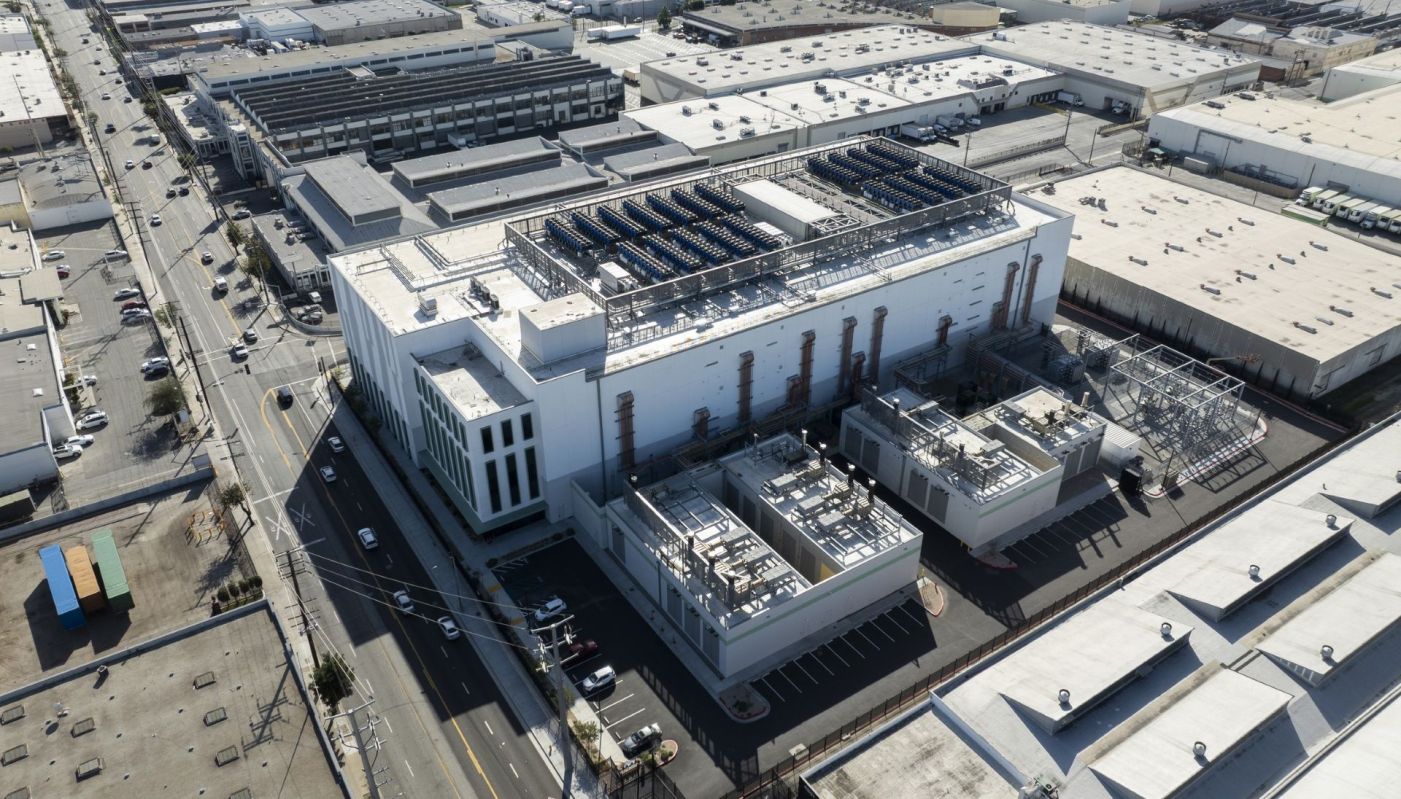
A dispute unfolding in Piedmont, Oklahoma, and captured on hidden camera, highlights a broader question surfacing around the country: If a site already has access to major electrical capacity, can neighborhood resistance stop a huge AI data center from landing there?
Here's what to know
Piedmont is facing two large data center proposals, according to Gadget Review.
Separately, Beltline Energy wants another 321 acres rezoned nearby. The larger proposal comes from Houston-based Cloverleaf Infrastructure, which is seeking rezoning of 630 acres for "Project Open Sky," a hyperscale campus that could draw up to 1.5 gigawatts of power once fully built.
Publicly, Cloverleaf has linked the site to its location near the Matheson substation.
In the recording, a local resident asks why the project remains attractive even though the town does not want it.
The developer's response was blunt: "We look for strong spots on the grid. … The power infrastructure is very good."
TCD Picks » Quince Spotlight
💡These best-sellers from Quince deliver affordable, sustainable luxury for all




In other words, the developers don't care about public resistance, focusing instead on the strength of the power grid and infrastructure.
At city meetings, residents have repeatedly warned about added strain on water resources, risks to grid reliability, more truck traffic, and falling home values.
During a July council meeting, one speaker played audio of a data center's continuous hum, setting it against testimony that described the existing surroundings as full of "bullfrogs bullfrogging" and "quail quailing."
The company has also promoted the economic side of the plan, including potential tax revenue, and has said its closed-loop system "does not use any water for cooling on an ongoing basis."
More background
Piedmont's fight also reflects a bigger reality: the AI boom is becoming increasingly tied to access to the electric grid.
AI tools can help improve forecasting, balance electricity demand, and optimize clean energy systems such as wind, solar, and battery storage. At the same time, the servers powering those tools can consume enormous amounts of electricity and water, raising concerns about grid stress, higher utility costs, security risks, and the broader misuse of the technology.
That tension seems especially pronounced in Piedmont. City staff likened Cloverleaf's expected power use to the demand of a major metro area, and officials who visited a comparable hyperscale site in Atlanta were told it uses about 1.2 gigawatts.
Resistance to nearby AI facilities also appears to extend well beyond Piedmont. A Gallup poll found that about 7 in 10 Americans oppose an AI data center being built near them, with nearly half strongly opposed, and Oklahoma officials have called the trend "literally an invasion of data centers."
What's being done?
Local boards have taken a cautious approach. Piedmont's planning commission recommended rejecting Cloverleaf's request to rezone 630 acres, while putting Beltline Energy's proposal on hold for further study.
Before deciding, the city council delayed its final vote and directed officials to tour a comparable facility.
Cloverleaf has lined up an alternate site in Kingfisher County, describing Piedmont as its "preferred" option while noting the project could proceed elsewhere.
Oklahoma officials have pressed for stricter environmental rules and stronger water-recycling requirements.
Where can I learn more?
What's happening in Piedmont echoes fights breaking out elsewhere as AI's growing appetite for power runs into local concerns. The articles here show how that tension is spilling into elections, utility decisions, public opinion, and the push to better track the technology's electricity use.
• In California's Imperial Valley, voters still rejected its candidate after a data center developer spent $30,000.
• Nationwide, only 8% of opponents say an AI data center is near home.
• Across the country, the backlash may get brutal as AI strains jobs, water, and electricity.
The fight in Oklahoma underscores a point showing up across the country: A prime spot on the grid is only one piece of the equation. More and more, these projects rise or fall based on how communities, regulators, and utilities weigh AI's growing footprint.

Get TCD's free newsletters for easy tips, smart advice, and a chance to earn $5,000 toward home upgrades. To see more stories like this one, change your Google preferences here.






