


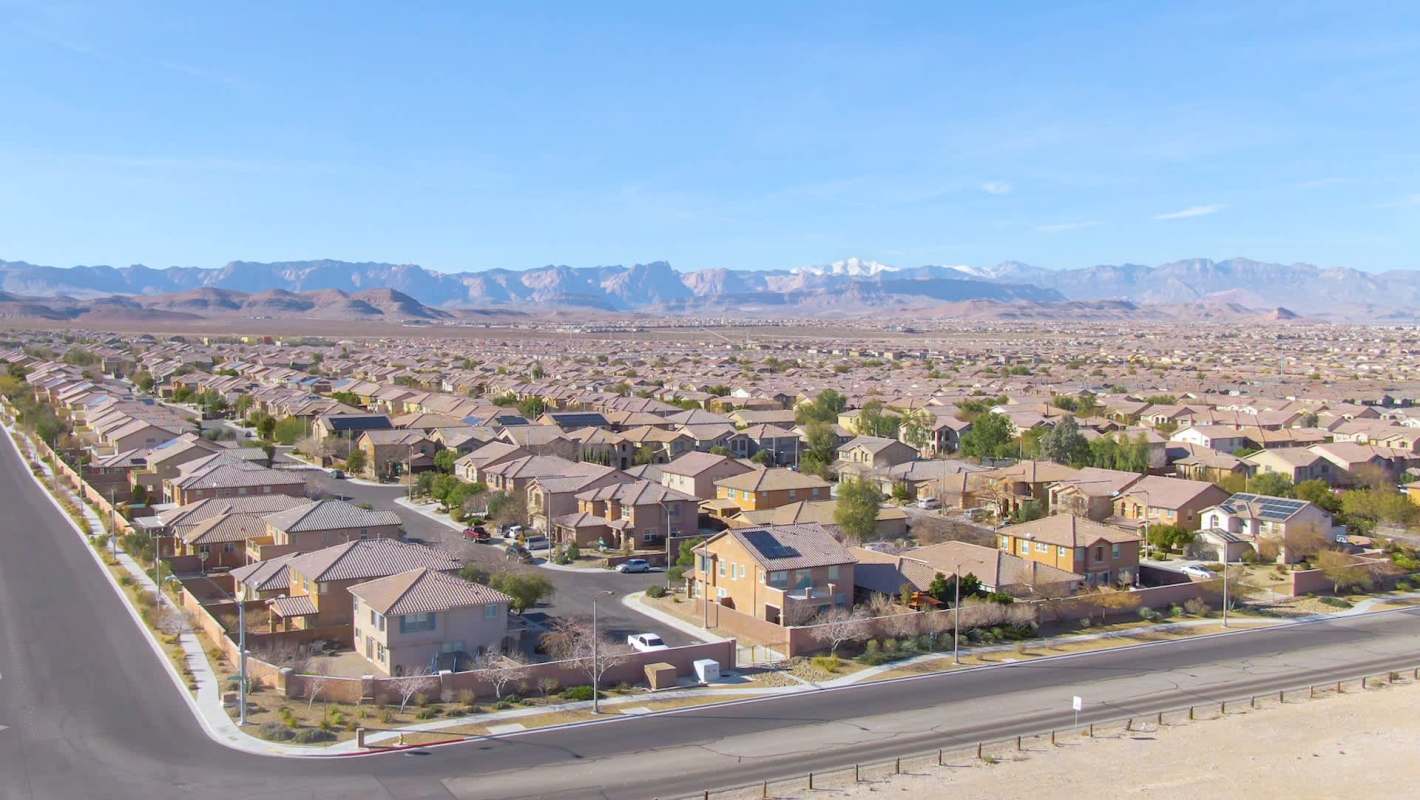
Experts say Nevada lawmakers don't need another study to address one of the state's most criticized tax systems. They simply need the political will to make changes.
When addressing the state's property tax structure, state Sen. Dina Neal, a North Las Vegas Democrat who chairs the interim committee on revenue, delivered that message as lawmakers again debated ideas that have circulated for years.
Here's what to know
As the Nevada Current reported, Neal used a presentation before the revenue committee to argue that legislators already have multiple examined and usable options on the table. "We should not spend another hot dime, or six pennies, on another property tax study," she said. "Because we know what the answer is. We just don't politically want to do any of these solutions."
A 2005 law shapes Nevada's system by capping yearly property tax bill increases at 3% for owner-occupied homes and 8% for other properties. The policy was meant to protect homeowners from steep increases during a time of fast-rising home values, but it has limited revenue growth for local governments as their expenses rise.
Michael Nakamoto, a fiscal analyst with the Legislative Counsel Bureau, told lawmakers that legislative staff put the amount of property tax held under abatement since 2007 at roughly $18.6 billion. That revenue helps fund essentials such as schools, libraries, parks, firefighters, and law enforcement.
Sparks Mayor Ed Lawson told lawmakers that over a five-year period, his city's costs climbed 54% while revenue increased only 16%. "I challenge any of you to run any kind of government or business with those kinds of numbers," he said, per the Current.
TCD Picks » Quince Spotlight
💡These best-sellers from Quince deliver affordable, sustainable luxury for all




More background
At stake is whether cities and counties can afford to serve expanding communities while households are shielded from increases in housing expenses.
Nakamoto illustrated the extent to which the cap suppresses tax bills. The Current reported that he projected his Reno home's 2029 bill at $1,873 under the current system, with another $1,711 abated. Raising the residential cap from 3% to 8% would not push that bill above $2,000.
City and county leaders say the structure is limiting Nevada's progress.
Critics also argue that the system creates fairness problems. In their view, it can leave longtime owners paying much less than a property's value implies while also squeezing the local budgets that pay for services everyone relies on.
What can be done?
Lawmakers were presented with several possible fixes. One would change the 3% cap. Another would create a property tax outside the partial-abatement system so a separate charge could be collected.
A third idea would set a new taxable baseline for a property when it changes hands. Assemblymember Natha Anderson, a Washoe Democrat, backed a constitutional amendment for that approach. Nakamoto said the effect could be "fairly dramatic, especially on older properties," per the Current. For new owners, tax bills would line up more closely with market values.
Still, none of the options comes with a clear political path. Earlier reform attempts have run into strong opposition from developers and anti-tax groups, while local governments and progressive advocates say Nevada leans too much on sales taxes and underfunds essential public services.
"The conversation around property taxes is at its heart about who pays and in turn what is being provided," Andrew Clarke of the Nevada Revenue Coalition told the Current in a statement.
Where can I learn more?
Nevada's fight over property taxes echoes real estate disputes playing out nationwide. Homeownership and the associated costs are some of the hottest topics in politics.
• In Illinois, lawmakers revived a tax exemption measure touching EV chargers, veteran housing, and tiny homes.
• In Massachusetts, Sen. Julian Cyr advanced two bills to solve a worsening home insurance crunch.
• In Nebraska, legislators considered nullifying HOA restrictions that can block homeowners from adding solar panels.
Housing policy debates can turn into arguments over fairness, affordability, and political will. Nevada lawmakers are in that fight as they decide whether to keep putting off property tax reform.

Get TCD's free newsletters for easy tips, smart advice, and a chance to earn $5,000 toward home upgrades. To see more stories like this one, change your Google preferences here.






