


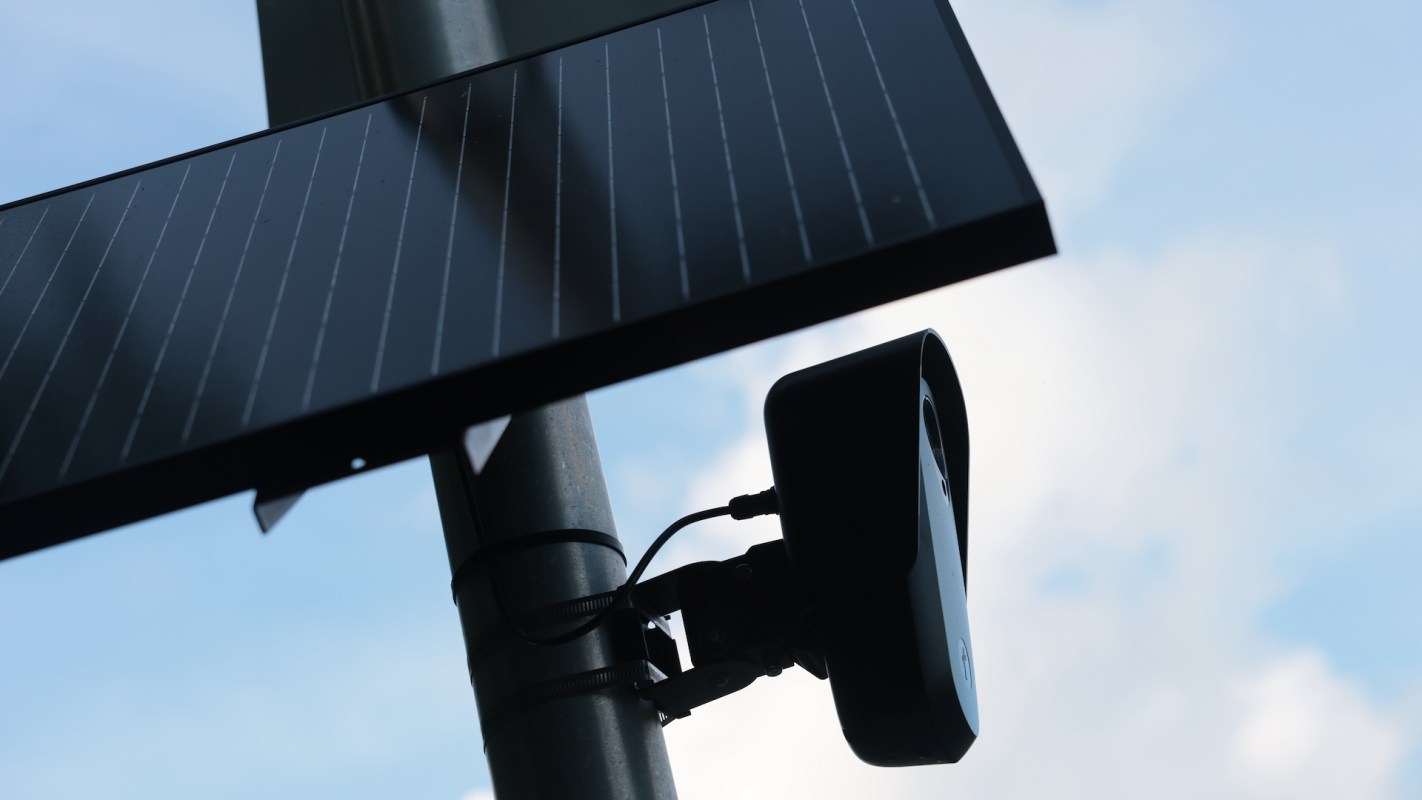
After one Nebraska community voted to remove two Flock surveillance cameras, county officials are exploring ways to keep the technology in place elsewhere.
The disagreement is no longer about traffic tools or policing hardware but how much control the public has over surveillance that has become a part of daily life.
Here's what to know
In early August, the Ord City Council unanimously agreed to get rid of the town's AI-powered license plate reading cameras, as the Flatwater Free Press reported.
But just one week later, the Valley County Board of Supervisors separately said that it would not remove the cameras within Valley County that are not in Ord's city limits.
Residents filled the meeting room where Valley County officials made their controversial decision. "We didn't get a say in these cameras coming here," one resident said, according to the Free Press, while another added, "We don't want them in our county."
The Valley County supervisors decided that the seven Flock cameras outside of Ord's city limits would stay up — a decision that received backing from the Valley County sheriff. The county's license plate data was accessed by other police departments and federal agencies over 450,000 times in just one month, per the Free Press. Hundreds of these searches were for immigration offenses.
TCD Picks » Quince Spotlight
💡These best-sellers from Quince deliver affordable, sustainable luxury for all




One Ord resident, Joseph Garcia, told the outlet that this was alarming. "We don't want these here. What is a town of 2,400 people doing getting checked in over 400,000 times, and what are you doing with that information? Why do you get access to that? Why do you get to know what we're doing in small-town Nebraska?" Garcia said.
The ACLU of Nebraska has similarly argued against Flock cameras, describing their use as "quietly creating a nationwide mass surveillance system."
More background
Surveillance cameras have spread quickly across the United States, largely because law enforcement agencies say they can help solve crimes and recover stolen vehicles. At the same time, critics have warned that systems designed to capture vehicle data and other information can also create sweeping records of innocent people's movements.
And police have been caught countless times abusing these surveillance technologies.
Yet removing surveillance systems can prove difficult once the equipment and practices are established, including in places where voters have plainly said they do not want them.

Get TCD's free newsletters for easy tips, smart advice, and a chance to earn $5,000 toward home upgrades. To see more stories like this one, change your Google preferences here.






