


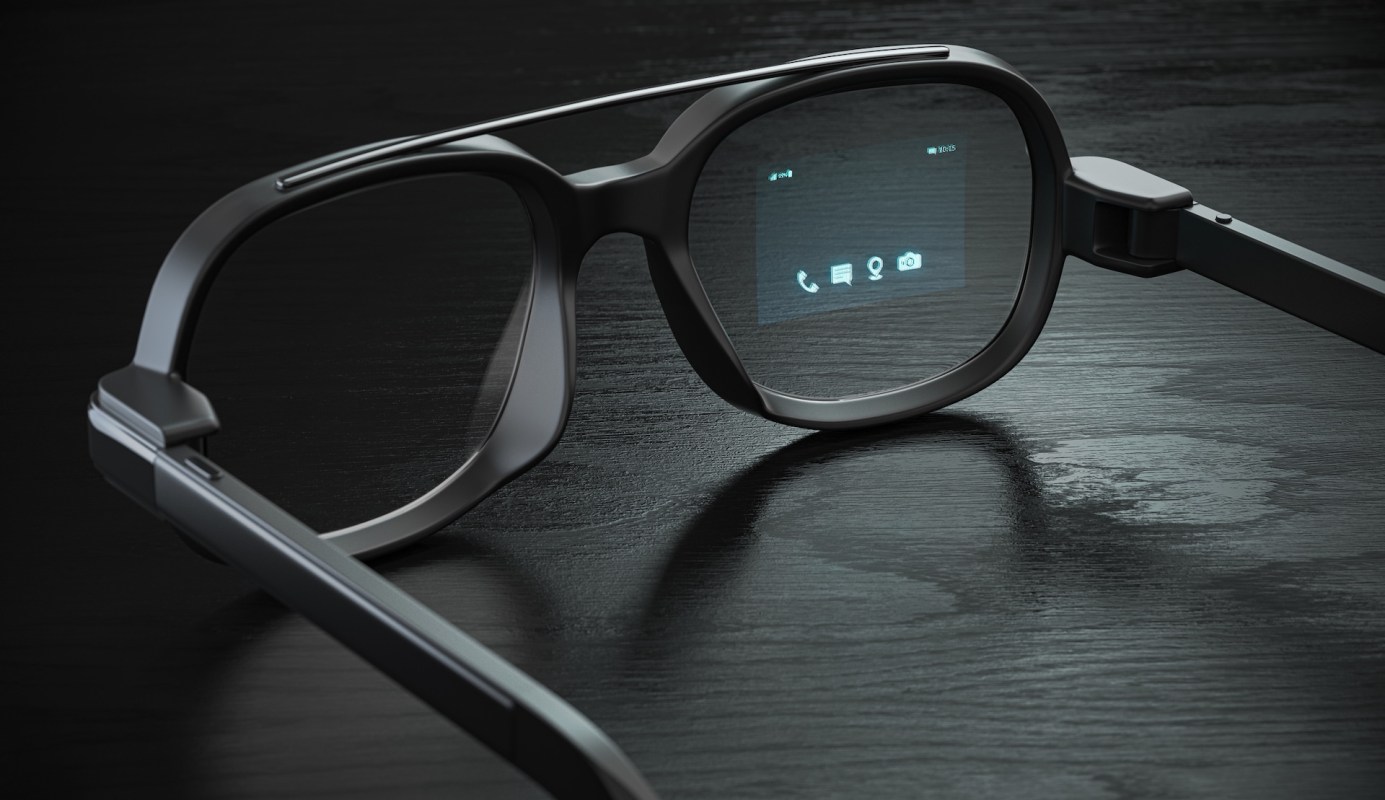
A growing number of teen boys are reportedly using smart glasses to secretly record classmates and teachers inside U.S. schools — and, in many cases, the videos appear to show girls being mocked, pressured, or harassed for social media content.
According to a review by Futurism, many clips filmed with Meta's AI glasses have been posted from school hallways, cafeterias, and classrooms, often involving people who do not seem to know they are being recorded or to have agreed to it.
Here's what to know
Among the examples highlighted by Futurism is a video of a boy in smart glasses trailing a girl as she enters school.
He asked, "Excuse me, could I get your Roblox?" After she said "No" and kept walking, he continued: "Your LinkedIn, at least? Your LinkedIn, please? Your Reddit? Come on, your Reddit? I know you have a Reddit!"
The outlet said many of the recordings fit the same style as online "rizzcam" and prank videos, but with minors inside schools as the subjects. Teen boys appeared in nearly all of the footage it reviewed, and girls appeared to be the primary targets. Some videos seemed to catch teachers and classmates without their awareness, while others showed students and staff clearly objecting.
Andy Liddell, principal at the Austin, Texas-based EdTech Law Center, told Futurism that filming at school with smart glasses is "a terrible idea."
TCD Picks » Quince Spotlight
💡These best-sellers from Quince deliver affordable, sustainable luxury for all




"Traditionally the classroom has been a private place that not everybody in the world has access to, and so you do have an expectation of privacy in the classroom that's greater than you have on the street," he added. "In states with one-party consent recording laws, this could potentially be in violation of those laws, and those can carry very steep penalties, including felony charges. So that's a problem."
More background
Schools have spent years trying to control smartphone use, and wearable cameras may create a similar challenge that is even harder to detect. Futurism said some students seemed to be using smart glasses in places where phones were already restricted, including classrooms that rely on device-locking pouches.
What's being done?
Futurism reported that some school districts have already revised their rules to explicitly prohibit smart glasses in classrooms. In places where wearables are not named specifically, existing policies covering camera-equipped or internet-connected devices may still apply.
Meta said its glasses use a built-in LED indicator to show when recording is taking place and that the camera will not work if that light is covered or damaged. TikTok also told Futurism it removed videos the outlet flagged.
Liddell told Futurism, "Really, school is the last place that these glasses belong."
Where can I learn more?
Smart glasses in schools are one example of how quickly AI-connected tech is showing up around kids and in everyday public spaces. AI can have several consequences for children, including impacts on child development and oversight, security risks, and misinformation.
• Experts warn childhood is being reshaped as AI tools spread into kids' daily lives.
• Psychologists say these technologies should be regulated before heavy AI reliance deepens emotional risks.
• At the Chicago Sun-Times, AI-generated content backfired when a bogus summer list drew outrage.
The questions raised in school hallways connect to a broader debate over who controls AI, how it's used, and what the public ends up paying for it.

Get TCD's free newsletters for easy tips, smart advice, and a chance to earn $5,000 toward home upgrades. To see more stories like this one, change your Google preferences here.






