


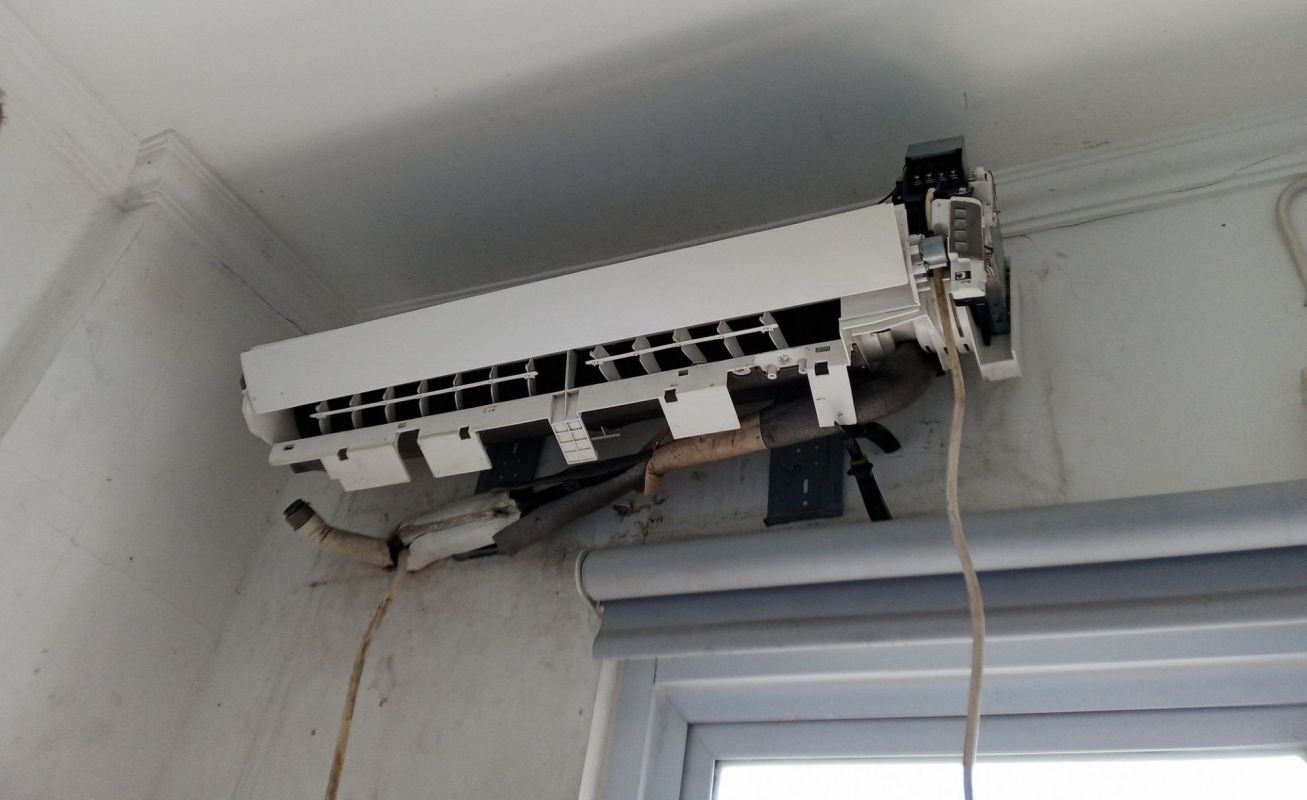
Teachers in Montgomery County Public Schools, Maryland's largest school district, have warned that some students are in sweltering classrooms, with temperatures rising above 80 degrees as aging HVAC systems struggle to keep up, WBFF reported.
Teachers explained that the issue is more than a matter of comfort: instruction suffers, students have a harder time paying attention, and the heat raises safety concerns inside the classroom.
Here's what to know
A Montgomery County Public Schools teacher, speaking on the condition of anonymity, told WBFF that even with fans on, their room remained above 80 degrees Fahrenheit, reaching as high as 85.
Instead of cooling the space, the air conditioning appeared to be producing warm air.
With the room overheating, the teacher said they urged students to stay hydrated and to pay attention to any symptoms of heat illness.
"They feel tired, they feel dizzy, [get] headaches," the unnamed teacher stated.
TCD Picks » Quince Spotlight
💡These best-sellers from Quince deliver affordable, sustainable luxury for all




"I've told students if they feel any kind of illness or anything, to let me know, bring some hand fans. Let's drink some extra water, things like that, so I'm just trying to do everything that I can to make sure that kids are not getting sick."
According to the teacher, similar conditions may be showing up beyond a single campus, particularly in older district buildings. The class was relocated later in the day, but the teacher said that move only addressed the problem for the moment.
As of Aug. 21, the district's maintenance backlog stood at $3 billion.
Superintendent Thomas Taylor said MCPS has 211 active schools and 240 facilities, and that about two-thirds of those buildings need major renovations.
More background
Broken cooling equipment can make a classroom harder to run and turn a basic comfort issue into one involving health and safety.
Spending hours in overheated classrooms can leave both students and staff dealing with fatigue, dizziness, and headaches, all of which can interfere with learning and make the school day harder to get through.
The teacher noted that student conduct can change as classrooms heat up.
"It makes them feel lethargic. It just makes them not ready to learn, and so that's where behaviors start coming out. Everybody's cranky," they added.
The teacher acknowledged that many school systems are balancing tight budgets against the high cost of modernizing aging buildings.
Taylor said the district is also dealing with problems with electrical systems, plumbing, roofs, and masonry.
What's being done?
To cope with the heat, the class used fans before students were eventually moved into a different room when the conditions became too uncomfortable.
The teacher said messages from the district and from Superintendent Taylor described the matter as a priority. But with many systems still needing work, short-term steps may do little without broader spending on building upgrades and equipment.
"We have 40 HVAC systems that are not functioning the way that they should," Taylor admitted. He added that many district facilities need "a massive renovation of some sort," suggesting the issue extends well beyond a single building.
Any long-term fix may hinge on whether the district can obtain enough funding to update its older school facilities.
"I do think it should be a priority in the district," the teacher told WBFF.
"I know that they've been cutting a lot of things. I think this is something that needs to be pushed to the top. We've gotten some emails from the district and Superintendent Taylor saying that this is a priority, so I'm just hoping that there's some follow-through in there."
Where can I learn more?
What's happening in Montgomery County fits into a broader pattern of extreme heat that is disrupting schools, travel, and other parts of daily life.
The articles here add context on the health risks and why reliable cooling can quickly become a safety issue.
• Across the US, extreme heat is disrupting daily life, complicating school routines and travel.
• In the central US, over 60 million Americans faced heat alerts as temperatures turned deadly.
• In France, air conditioning as survival has become part of a larger infrastructure debate.
• In England, nationwide health alerts warned that lingering heat can trigger serious illnesses.
They underscore how higher temperatures are increasingly influencing our day-to-day lives.
With extreme heat already putting pressure on communities elsewhere, aging HVAC systems can disrupt learning and raise safety concerns just as fast.

Get TCD's free newsletters for easy tips, smart advice, and a chance to earn $5,000 toward home upgrades. To see more stories like this one, change your Google preferences here.






