


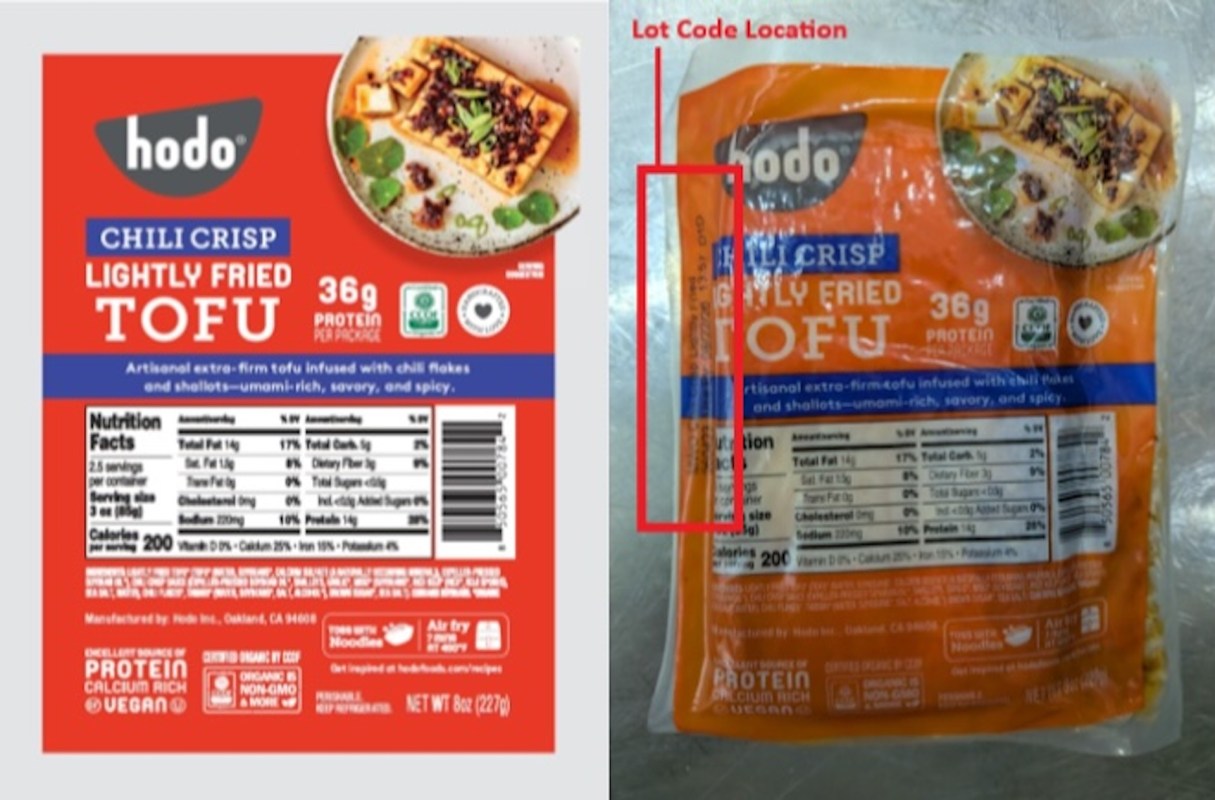
A tofu product sold in New York and across the country is being pulled from shelves after federal regulators warned it may contain an unexpected contaminant: ink.
As Newsday reported, the recall of Hodo Inc.'s 8-ounce Chili Crisp Lightly Fried Tofu has expanded to more than 10,000 cases, raising concerns for shoppers who may have stocked up on the ready-to-eat plant-based protein.
Here's what to know
Hodo Inc.'s 8-ounce Chili Crisp Lightly Fried Tofu is being recalled because it may contain ink, the company shared in a voluntary recall. The affected volume includes 10,084 cases packed with six units each, along with another 486 cases containing 30 units apiece, per the Food and Drug Administration.
Retailers in 29 states received the product. Hodo's website lists metro-area sellers such as Foodtown, Whole Foods, and Wild by Nature, but it could not confirm whether the recalled tofu was sent to Foodtown or Wild by Nature, according to Newsday.
The recall started in August and applies to multiple lots with best-use dates extending into November. Whole Foods had carried the tofu in its New York stores but removed it as of Aug. 11, the paper noted.
Hodo said it initiated the recall after seeing discoloration while increasing production of a new item. That pattern led it to scrutinize the tofu product.
TCD Picks » Quince Spotlight
💡These best-sellers from Quince deliver affordable, sustainable luxury for all




More background
Shoppers are more accustomed to hearing about contamination from undeclared allergens, bacteria, or foreign materials such as metal or plastic. Ink contamination is less common.
Hodo said no illnesses or injuries had been reported. The National Capital Poison Center noted that consuming ink can cause an upset stomach but should not lead to serious issues unless there is a large volume of ink involved.
Made in Oakland, California, the tofu was distributed in the tristate area and may also have appeared in stores on Long Island, per Newsday.
This adds to a busy summer of food recalls and contamination. These problems crop up in industrial food production and point to larger issues around oversight and inconsistent safety standards.
What can be done?
Consumers who bought the tofu should avoid eating it until they confirm whether a package is part of the recall. Checking the size, name, and best-use date is the most practical first step.
Shoppers who purchased the item from Whole Foods in New York may want to review receipts or contact the store directly since the chain had stocked the product before removing it. Anyone who bought the tofu elsewhere can also check with the retailer where it was purchased.
Pulling affected products from shelves limits exposure, while prompt public notices help consumers decide whether to discard or return items.
"Hodo is evaluating whether chili oil and heat may have contributed to potential migration from the printed film packaging into the product," the company stated.
Where can I learn more?
The recall is one of several recent grocery warnings involving foreign materials or contamination. Other cases have involved condiments, snack bars, and hummus. These are everyday items many shoppers pick up without much thought.
• Costco and Publix shoppers also faced a recall over alleged contamination in packaged condiments.
• At Lidl, officials ordered an urgent recall after plastic turned up in snack bars.
• King Harvest customers were warned when a widely used hummus was contaminated with plastic.
Recalls are a reminder to check product names, package dates, and retailer notices when contamination concerns come up. They also show how often shoppers are asked to dispose of food that is sitting in the kitchen.

Get TCD's free newsletters for easy tips, smart advice, and a chance to earn $5,000 toward home upgrades. To see more stories like this one, change your Google preferences here.







