


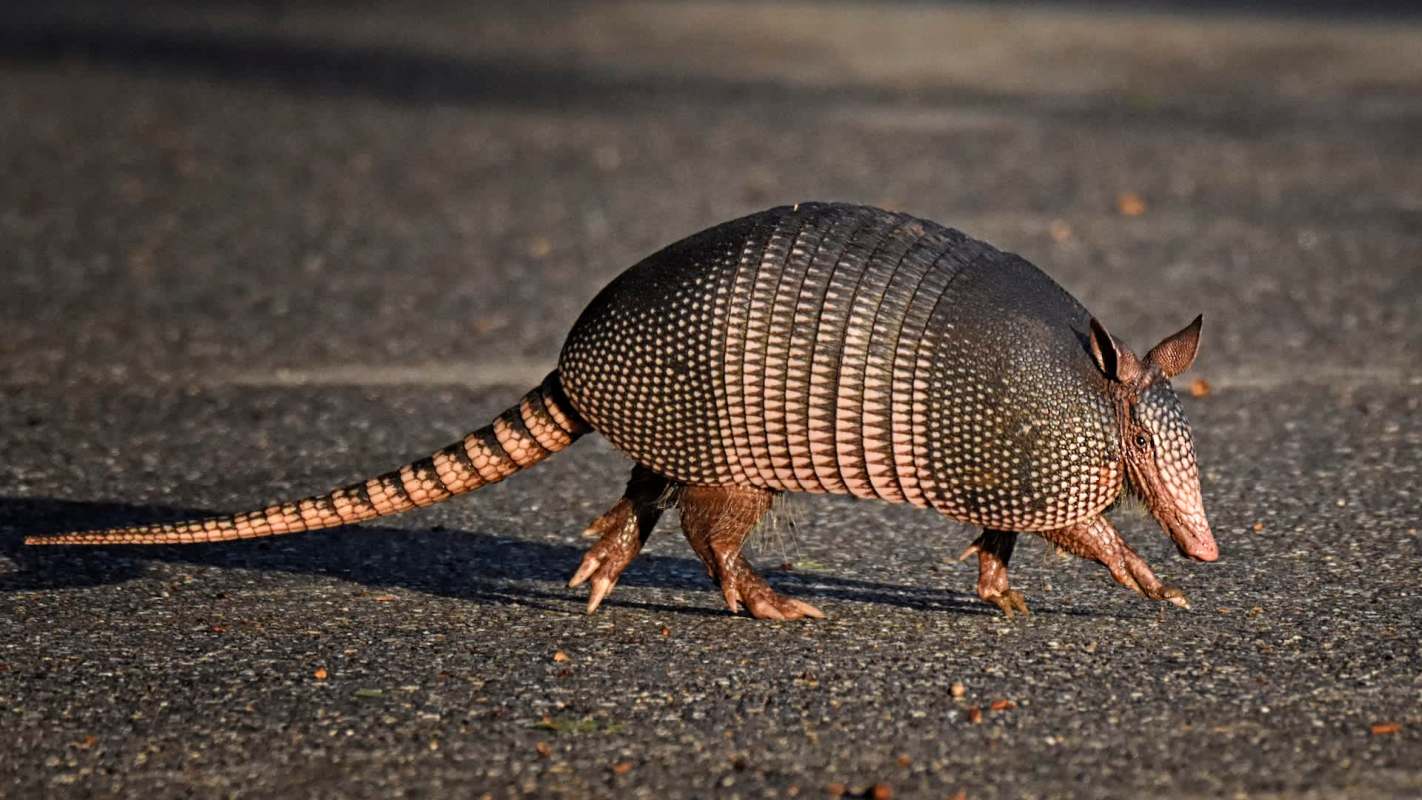
Florida is seeing a rise in reported leprosy cases, and health officials have said the nine-banded armadillo may be partially to blame.
Even though Hansen's disease is still uncommon in the Sunshine State, Florida made up more than one-fifth of all U.S. cases reported last year.
Here's what to know
According to the Florida Department of Health, the state reported 20 cases of leprosy in 2024. In 2025, this figure rose to 36. In the first half of 2026, Florida reported 17 cases, per WXII.
While the disease can be cured with a combination of antibiotics, without treatment, it may cause permanent disability by damaging nerves. Treatment can take up to two years, per the Florida Department of Health.
The agency also noted that "research has shown that infected nine-banded armadillos may also be an uncommon source of infection."
A higher case count does not by itself mean a crisis. In public health, an endemic disease stays present at a steady, low level in a given area, while an outbreak means cases have risen above the normal baseline.
TCD Picks » Quince Spotlight
💡These best-sellers from Quince deliver affordable, sustainable luxury for all




Dr. Naushad Amin, who serves as the Chief Medical Officer at Health First, explained this to WXII, saying, "It may be an endemic, a low-level endemic area, but that does not mean there is an outbreak."
Still, rising case counts can justify greater awareness and basic precautions without meaning the average resident faces a high risk of infection in day-to-day life.
More background
According to the Centers for Disease Control and Prevention, most U.S. cases are acquired abroad, but some infections in people with no international travel history have been associated with armadillos in the southern United States.
In 2015, Richard Truman, chief of microbiology and epidemiology at the National Hansen's Disease Program in Baton Rouge, said that 16.5% of armadillos examined from coastal Mississippi east into Florida had mycobacteria, which cause the disease. The nine-banded armadillo is widespread in Florida and across much of the South, where it often digs through flowerbeds and may shelter in burrows beneath patios.
Health officials suggest avoiding close contact with armadillos, especially when doing yard work or handling soil in places where the animals are active. It can also be helpful to wear gloves and long sleeves while gardening.
Where can I learn more?
Florida's leprosy case count fits into a wider effort by health officials to track animals that can carry disease as they move into new areas or turn up in places they were not seen before. Those shifts, along with local conditions, can shape public health advice even when the day-to-day risk for most people stays low.
• Warming winters are pushing armadillos toward Chicago, expanding concerns beyond the South.
• California officials are tracking Aedes aegypti mosquitoes as another disease risk spreads.
• Kansas health officials say Asian longhorned ticks add to the list of emerging threats.
Shifting animal habitats and first-time detections can affect local health guidance. In Florida, officials are focusing on awareness and simple precautions as they monitor case counts.

Get TCD's free newsletters for easy tips, smart advice, and a chance to earn $5,000 toward home upgrades. To see more stories like this one, change your Google preferences here.






