


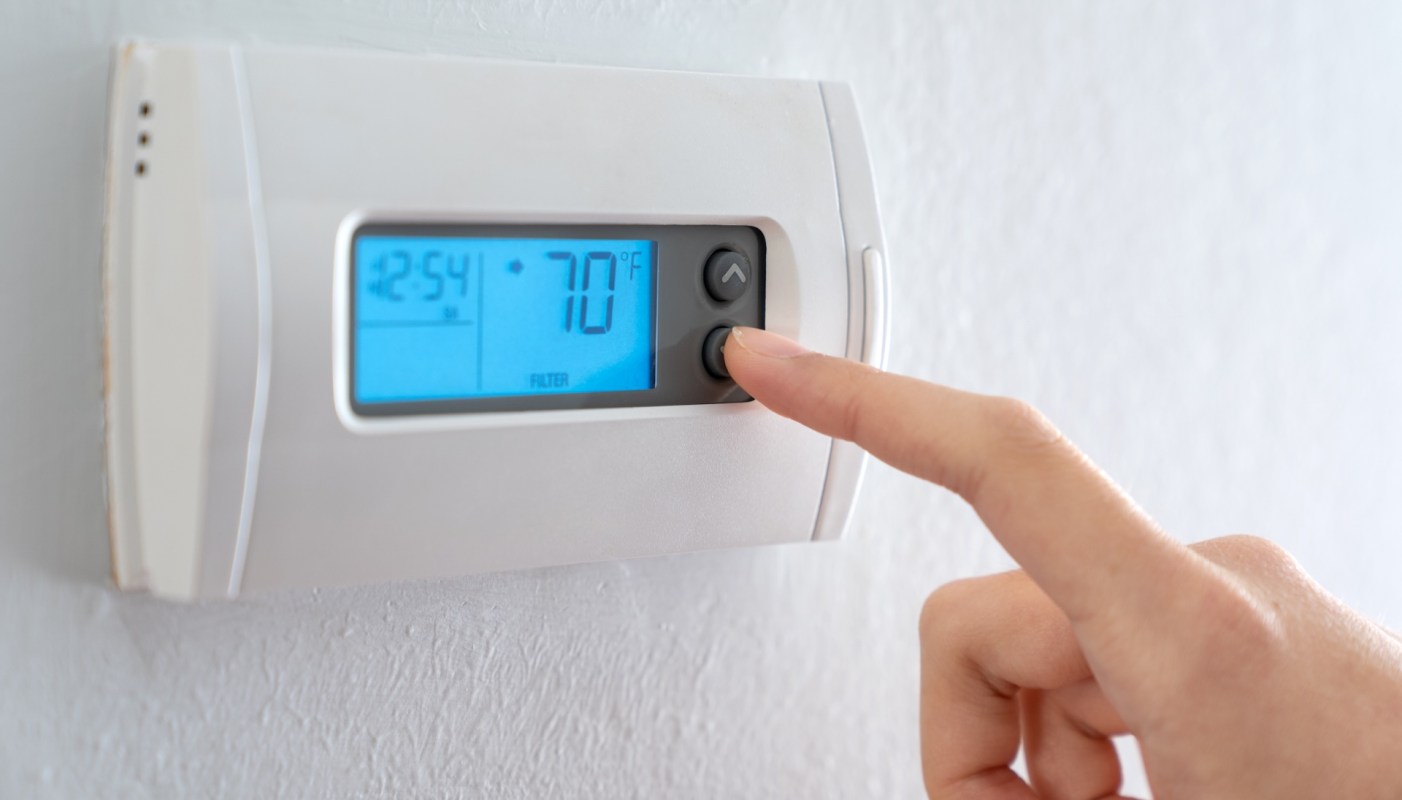
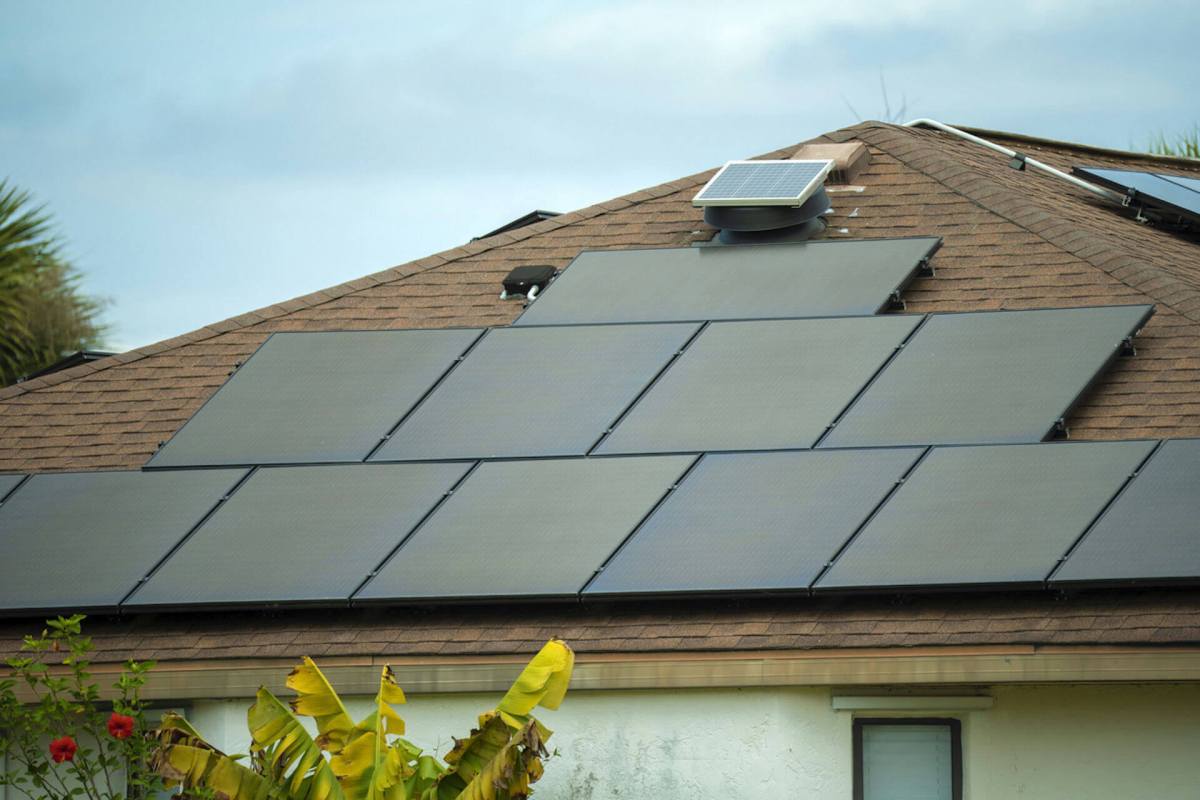
After installing solar panels on their house, one homeowner found that their monthly electric bill was no easier to follow.
While the panels appeared to be doing their job, heavier air-conditioning use and a few new household loads made the expected savings much harder to spot.
Here's what to know
In a post to Reddit's r/SolarDIY community, the homeowner asked, "Solar electricity usage went up after we installed panels, is that normal?"
The original poster went on to explain that, "The solar production looks normal in the app, but the bill still feels higher than I expected some months. I'm trying to figure out how other people look at this… Has anyone found a simple way to track this month to month?"
Crushed by your bills? See instant solar savings from vetted installers in just a few clicks With energy prices through the roof, there's never been a better time to go solar — and EasyHome can help you find the best prices from the best installers in your area. EasyHome takes the guesswork and headaches out of energy upgrades by showing you estimated savings from a network of vetted local partners. To get started, just enter your ZIP and share a few details about your home — seeing your estimate is really that easy. |

Their experience highlights a common challenge. When a home's electricity habits change after solar is installed, assessing the savings can become much less straightforward.
Solar generation is only one side of the equation. A house can produce plenty of rooftop power and still see a bigger bill if overall consumption rises, especially in hotter periods when the air conditioning runs more.
Several commenters pointed to this, with one writing, "Your solar didn't change, your habits did. More AC and new loads will eat savings fast no matter what the panels produce." Another recommended, "Get last year's bills. Do an overlay. [That's] the easiest way to [see] what is happening."
Still, going solar is one of the best ways to save money on home energy costs, especially as utility rates rise over time. Homeowners considering panels can explore EnergySage to get free solar installation estimates and compare quotes. Those who do could save up to $10,000 on installation.
More background
Solar savings are often easiest to recognize when a home's usage stays relatively consistent. But when behavior changes, the comparison gets murkier, and a bill can feel disappointing even if the panels are replacing a meaningful amount of electricity that otherwise would have been bought from the utility.
A household should still save significant sums of money over the life of the system, even if some summer bills come in higher than expected. The key is to separate changes in consumption from panel performance.
Where can I learn more?
When summer AC use spikes, it can get a lot harder to tell what your panels are really saving you. These articles look at how other homeowners think about solar payback, along with a few cooling and energy-use tweaks that can make monthly bills easier to read.
• One homeowner found solar panels lowered electric bills less clearly once household usage changed.
More From EnergySage
💡Go deep on the latest news and trends shaping the residential solar landscape


• Another homeowner said a thermostat setting hack cut summer cooling costs in half.
• Households testing simple home energy habits have found steadier ways to lower bills.
Looking at a few real-world examples can make it easier to separate higher usage from panels that may actually be underperforming. That context can help homeowners determine whether the issue is the bill itself, their habits, or the system.

Get TCD's free newsletters for easy tips, smart advice, and a chance to earn $5,000 toward home upgrades. To see more stories like this one, change your Google preferences here.






