


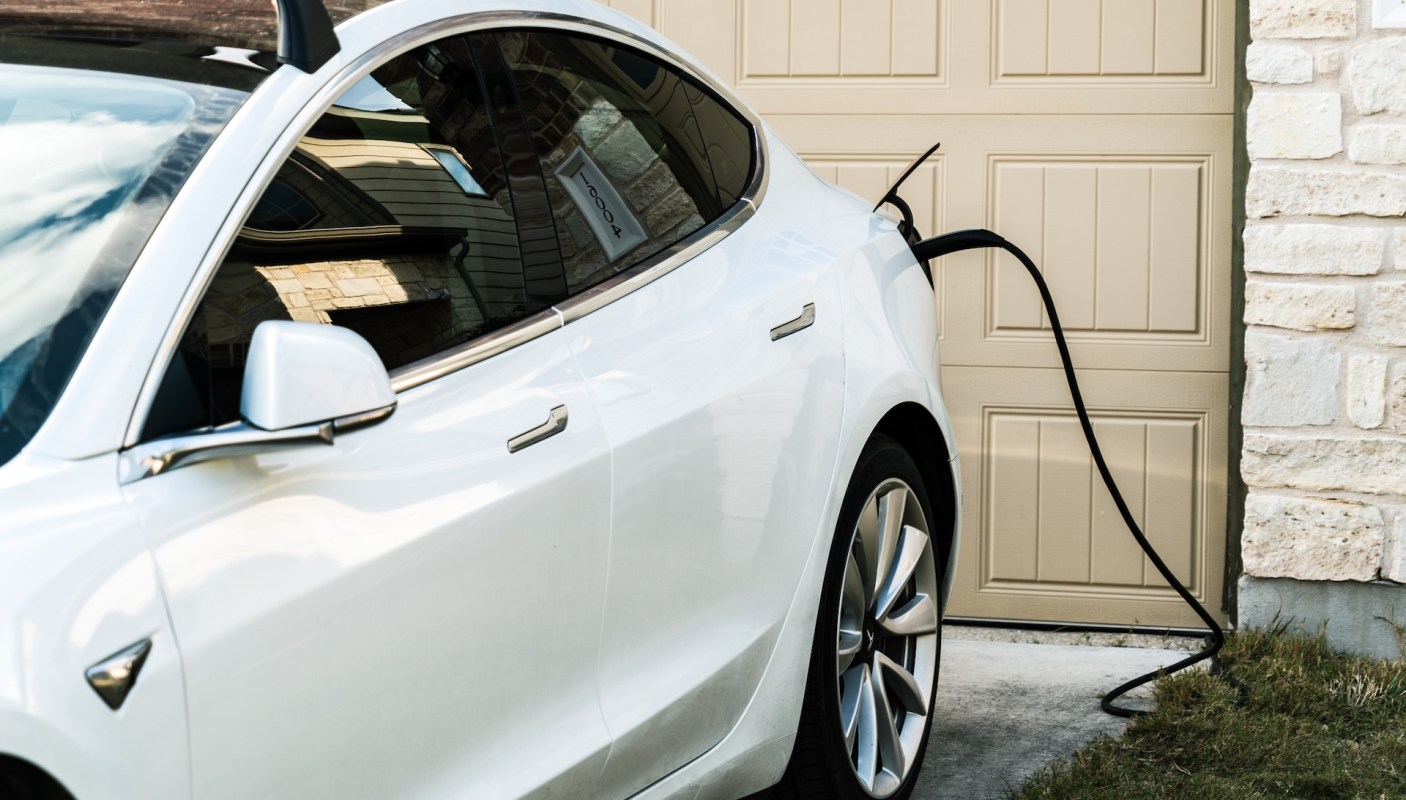
The main promise of solar cells embedded in an electric vehicle may be less about squeezing out extra miles and more about supporting the battery.
Research from the University of Exeter suggests these "solar-skinned" EVs could do more to help protect the pack than to dramatically extend driving range.
Here's what to know
According to pv magazine, researchers reviewed years of work on vehicle-integrated photovoltaics, or VIPV, and concluded the approach may do more to cut charging frequency and slow battery wear than to provide a major boost in range.
The team examined research published from 2015 to 2026, narrowing an initial 1,050 records to about 450 with a terminology filter before landing on a final set of 93 studies, spanning peer-reviewed papers, reviews, and conference proceedings, focused on everyday cars and light commercial fleets.
Henry Betts, the review's corresponding author, said, "It was surprising how badly standard tracking algorithms cope with city driving, with efficiency dropping to around 65% under scattered tree shade because the electronics can't keep up with the frequency of light changes."
More background
Making your next car an EV already comes with perks even without built-in solar. Drivers can save money on fuel costs, and EVs also generally require less routine maintenance because they have fewer moving parts and do not need oil changes.
TCD Picks » Quince Spotlight
💡These best-sellers from Quince deliver affordable, sustainable luxury for all




The team also found that city conditions can sharply limit solar output. Buildings and vegetation were found to cut production by more than 50%, and solar surfaces on a vehicle's sides generally captured far less sunlight than roof-mounted ones.
"I was particularly struck by the summer paradox," Betts said. "Summer is conventionally the best season for solar yield. Still, because the tree leaves are at their fullest then, the shading losses actually cancel out much of that seasonal advantage."
What's being done?
The researchers say current solar testing methods do not match the realities of panels built into cars, which operate on moving vehicles instead of flat modules under ideal lab conditions. Betts said his team's "next step is contributing to the existing effort to build a proper dynamic standard for VIPV, so ratings better reflect real driving conditions."
With better standards in place, automakers could more easily sort out which solar materials and wiring designs make sense for future models. Buyers, in turn, might get a better sense of whether a solar-equipped vehicle is mainly meant to support the battery, add convenience, or deliver real energy savings.
People thinking about buying an electric vehicle may find that EV ownership can already be practical and cost-effective even without built-in solar. Charging an EV at home often costs half as much as using public chargers, but basic Level 1 charging tends to be slow. Qmerit provides free, instant installation estimates for faster Level 2 home charger installations, which can make daily charging much easier.
Betts said the key challenge is judging the technology under realistic conditions: "Existing PV ratings, which are based on flat, static test conditions, don't describe what happens on a moving, curved car."
Where can I learn more?
The articles here help fill out the picture around the Exeter review. They touch on where solar-on-vehicle tech may be heading, why battery health matters, and how home charging and lower running costs already shape the EV experience.
• In the U.K., Nissan's push could help EVs charge from the sun.
• Engineers have created an atomic-level coating that could help EV batteries last longer.
• Ford lets homeowners power a house with their F-150 Lightning during outages.
• At home, drivers can make daily charging much easier with a Level 2 setup.
• Many EV owners say it's so cheap, it's hard to justify gasoline again.
Built-in solar is only one part of the EV equation. For many drivers, battery durability, charging convenience, and real-world savings may matter just as much as any extra sunlight a car can capture on the road.

Get TCD's free newsletters for easy tips, smart advice, and a chance to earn $5,000 toward home upgrades. To see more stories like this one, change your Google preferences here.






