


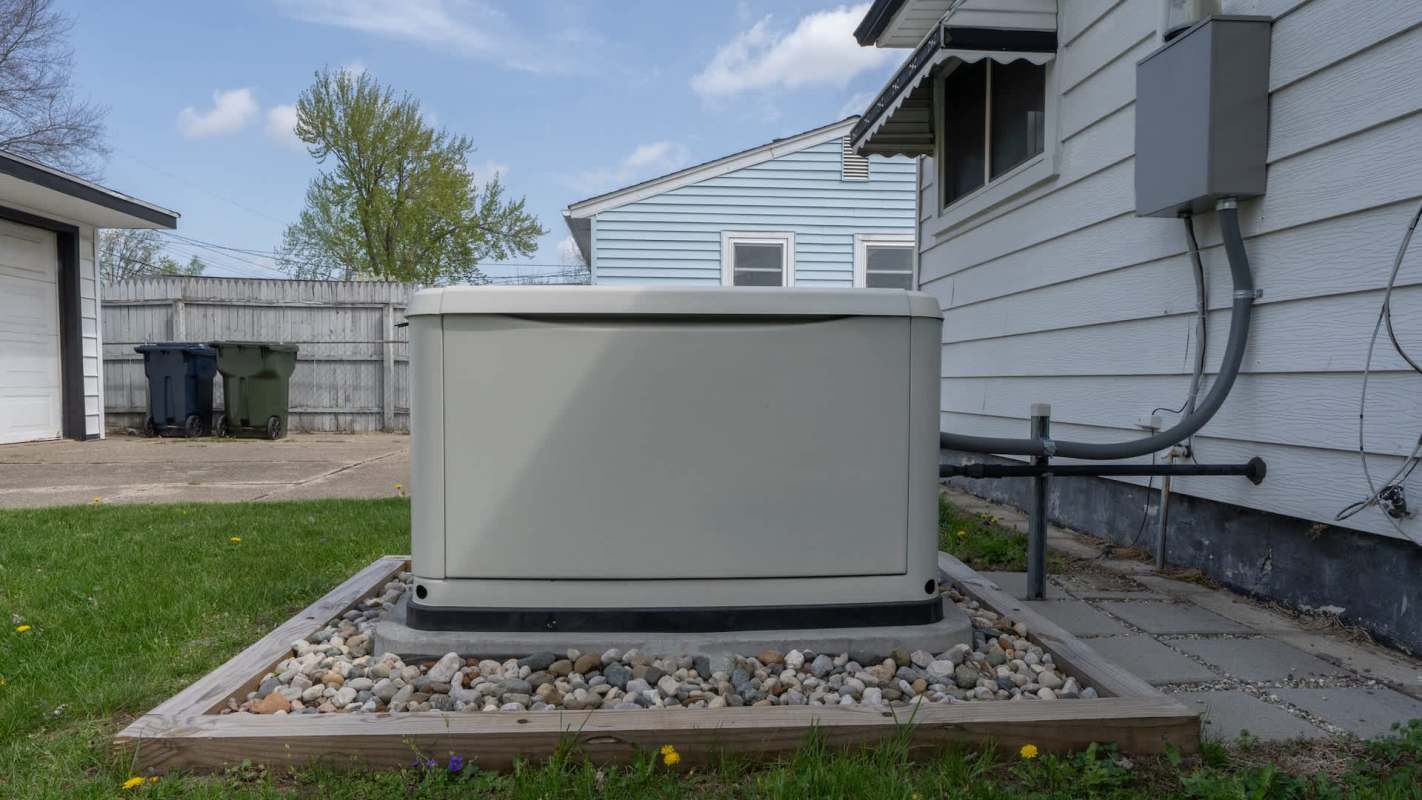
Powering central air during an outage may sound straightforward, but figuring out the right generator size can get complicated fast.
One Reddit thread shows why so many homeowners either end up buying more generator than they need or dealing with breakers tripping when they try to go smaller.
A soft-start device on an air conditioner can significantly reduce the generator size needed to start the compressor. That could mean buying a smaller generator and burning less fuel during an outage.
Here's what to know
In a Reddit post, users discussed whether a portable generator connected through a home inlet could handle central air, and what size that would take.
One reply shared a sizing guide by AC tonnage comparing setups with and without a soft start.
In that rule of thumb, a 3-ton air conditioner dropped from about 13 to 15 kilowatts without a soft start to roughly 5.5 to 7 kW with one.
TCD Picks » Quince Spotlight
💡These best-sellers from Quince deliver affordable, sustainable luxury for all




Shopping in the 5.5- to 10-kW range instead of 13- to 22-kW can make for a more manageable setup, especially when fuel costs and storage matter.
One commenter summed up the risk of going too small this way: "Can definitely get by with smaller generators, but you start having voltage drops and potential for popping breakers."
More background
The thread made clear there is no one-size-fits-all answer. AC tonnage is only part of the equation. Equipment age, compressor design, fuel type, and the rest of the home's electrical load can all change the result.
Several commenters said larger central air systems could run from portable generators, but only if other loads were managed carefully.
One commenter said a 10,000-watt natural-gas generator was running a 4-ton AC plus lights, fans, refrigerators, a freezer, and a pool pump, with total usage around 7,000 watts. Another said a 13,000-watt generator could handle a 4-ton AC without a hard/soft start capacitor, though they added that it "takes everything it's got."
The main hurdle, others noted, is often the compressor's startup surge rather than normal running demand.
One commenter said measurements on their 3-ton unit showed about 20 kW of inrush without a soft start, helping explain why some setups may look adequate on paper but struggle when the AC kicks on.
Larger generators cost more to buy, and commenters noted they can also be expensive to fuel during extended outages. Reducing startup demand can cut both the generator size required and the amount of fuel consumed.
What can be done?
A better starting point than guessing is the outdoor condenser's nameplate data, especially the locked-rotor amperage that drives the startup surge.
As one commenter put it, "Make it easy on the generator and install a soft start module on your condenser."
Those tonnage estimates applied only to the HVAC equipment. Anyone planning to power refrigerators, freezers, well pumps, electronics, fans, or other household items would need to add those loads separately.
Several commenters cautioned against sizing blindly or relying only on a generator's headline wattage.
As one commenter wrote, "Definitely worth the piece of mind to get a properly sized unit than worry about it later."
Where can I learn more?
Generator sizing is only part of backup power planning, especially once air conditioning, household loads, and fuel costs enter the picture.
• A homeowner showed how simple AC drain upkeep can improve cooling efficiency and reduce strain.
• Klima says smarter AC load control can trim electricity use before backup sizing even starts.
The same theme runs through all of them: the less power a home needs, the easier outage planning becomes.
Improving efficiency or adding another backup option can help shrink both the generator setup and the fuel needed to get through a blackout.

Get TCD's free newsletters for easy tips, smart advice, and a chance to earn $5,000 toward home upgrades. To see more stories like this one, change your Google preferences here.






