


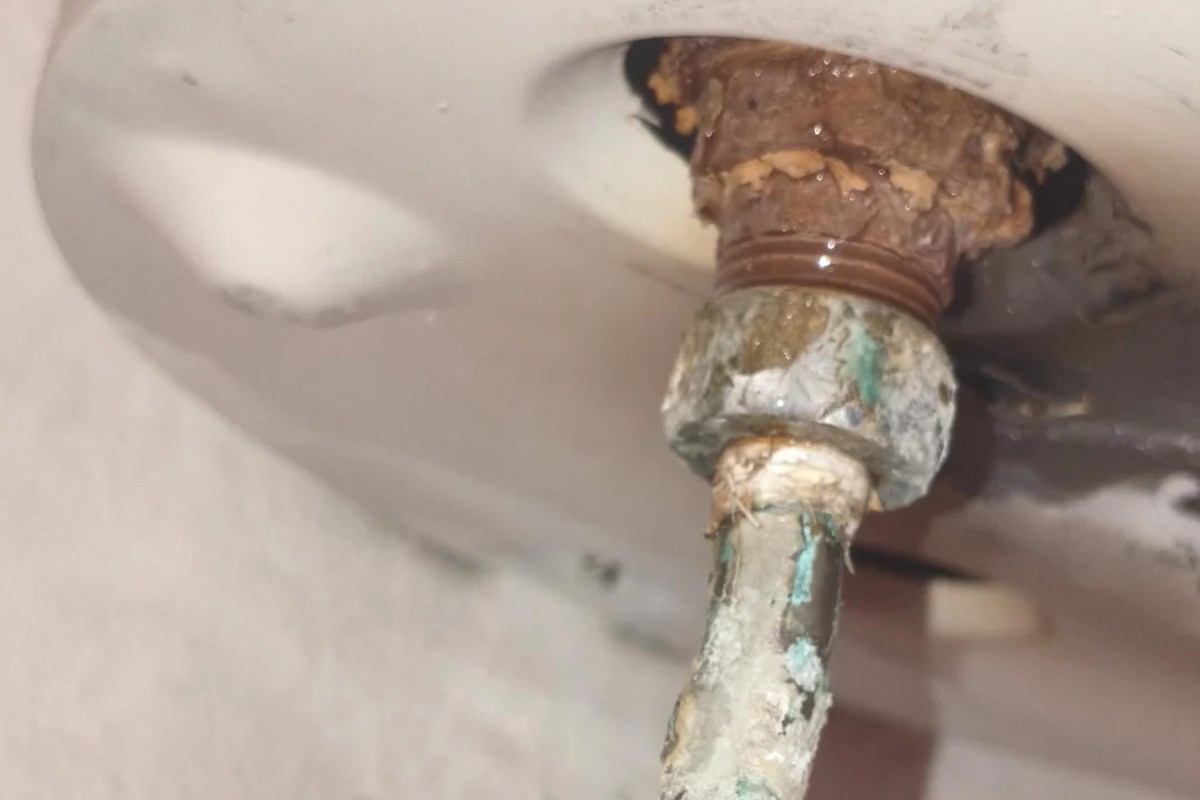
As one tenant was dealing with a rapidly deteriorating gas water heater, they turned to Reddit's r/AskAPlumber forum to see if the issue was fixable, but the responses were discouraging.
Here's what to know
In a Reddit post, the tenant said the unit looked "very old" and had "a lot of limescale and rust buildup." They also reported a leak from "where one of the water hoses connects" and asked whether cleaning it or replacing the hose might resolve the issue.
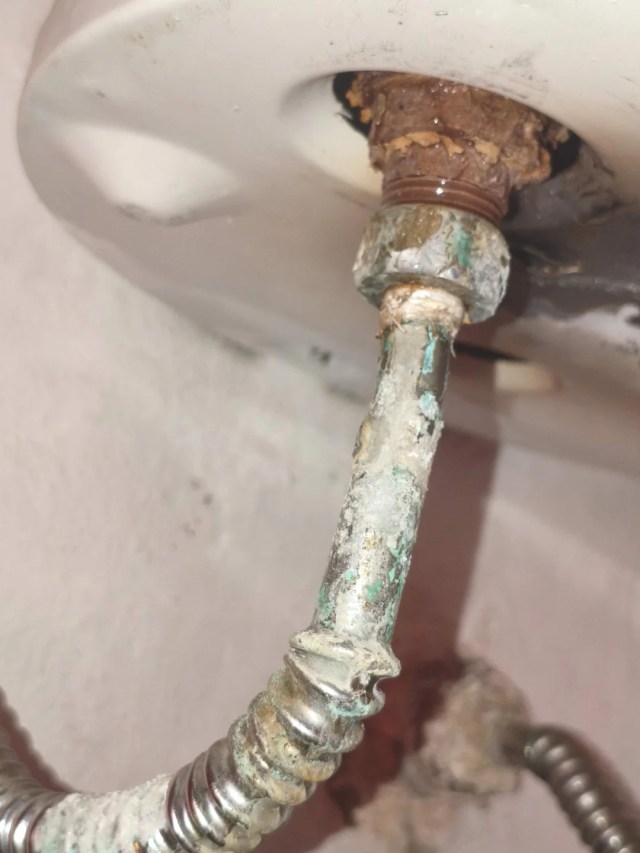
The original poster wrote, "Is it something that can be repaired … or would I need to replace the entire water heater?"
The consensus in the comments was that the problem likely involved more than a small repair and that the water heater itself may be at the end of its service life.
One commenter wrote, "That thing is toast. Talk to the landlord," before joking, "Maybe hit it with a hammer first and say it's leaking a lot." Another added, "You are a tenant, and you are responsible for repairing or changing the water heater? WTF!"
More background
A leak at a connection does not always mean the entire water heater has failed. In some cases, the issue may come from a fitting, hose, or valve. But when a tank is visibly rusted and covered in mineral scale, it can indicate broader wear, lower efficiency, and a unit nearing the end of its usable life.
A gas water heater is not typically a DIY fix. Given the leak itself, the appliance's age, and the presence of gas, the safer option is usually to notify the landlord or property manager and request a qualified inspection.
If replacement proves necessary, a heat pump water heater can also offer meaningful savings on utility bills. Compared with older conventional models, heat pump units use far less energy to heat water, which can lower monthly costs and help replace an inefficient appliance.
Crushed by your bills? See instant solar savings from vetted installers in just a few clicks With energy prices through the roof, there's never been a better time to go solar — and EasyHome can help you find the best prices from the best installers in your area. EasyHome takes the guesswork and headaches out of energy upgrades by showing you estimated savings from a network of vetted local partners. To get started, just enter your ZIP and share a few details about your home — seeing your estimate is really that easy. |

What can be done?
Tenants can and should take photos of any leaks, rust, or standing water, then submit a written maintenance request to create a clear record. With a gas appliance, trying to patch the problem without approval or training can create greater safety risks and damage.
For owners deciding what to install next, Cala offers a different type of upgrade. Its customizable "smart" heat pump water heaters help homeowners decrease their energy bills by heating water exactly when it's needed. That can help reduce wasted energy while still delivering hot water for everyday use.
A smarter system may be especially attractive when an old tank is already creating maintenance problems. Renters usually cannot make any final decision, but they can ask whether a high-efficiency replacement is possible and whether rebates or tax credits could help.
Where can I learn more?
A leaking water heater is one version of a bigger (and common) rental problem: something on the property breaks down, and the tenant is left trying to get it fixed or trying to avoid paying for the fallout. Each article here shows how deferred maintenance can snowball into higher bills, less comfort, and a lot more hassle.
• A renter watched a landlord send a monstrous water bill after a plumbing leak dispute.
• At another rental home, a tenant faced a water-bill credit fight after an unpatched leak.
• Another landlord sparked outrage after driving up tenants' irrigation bills.
For renters, the takeaway is simple: Document problems early and keep a clear paper trail when asking for repairs. Ignored maintenance and outdated rules have a way of turning into expensive headaches fast.

Get TCD's free newsletters for easy tips, smart advice, and a chance to earn $5,000 toward home upgrades. To see more stories like this one, change your Google preferences here.






