


When hazardous wildfire smoke pushed Detroit to the top of global air-quality rankings on July 16, much of the public guidance focused on people staying indoors.
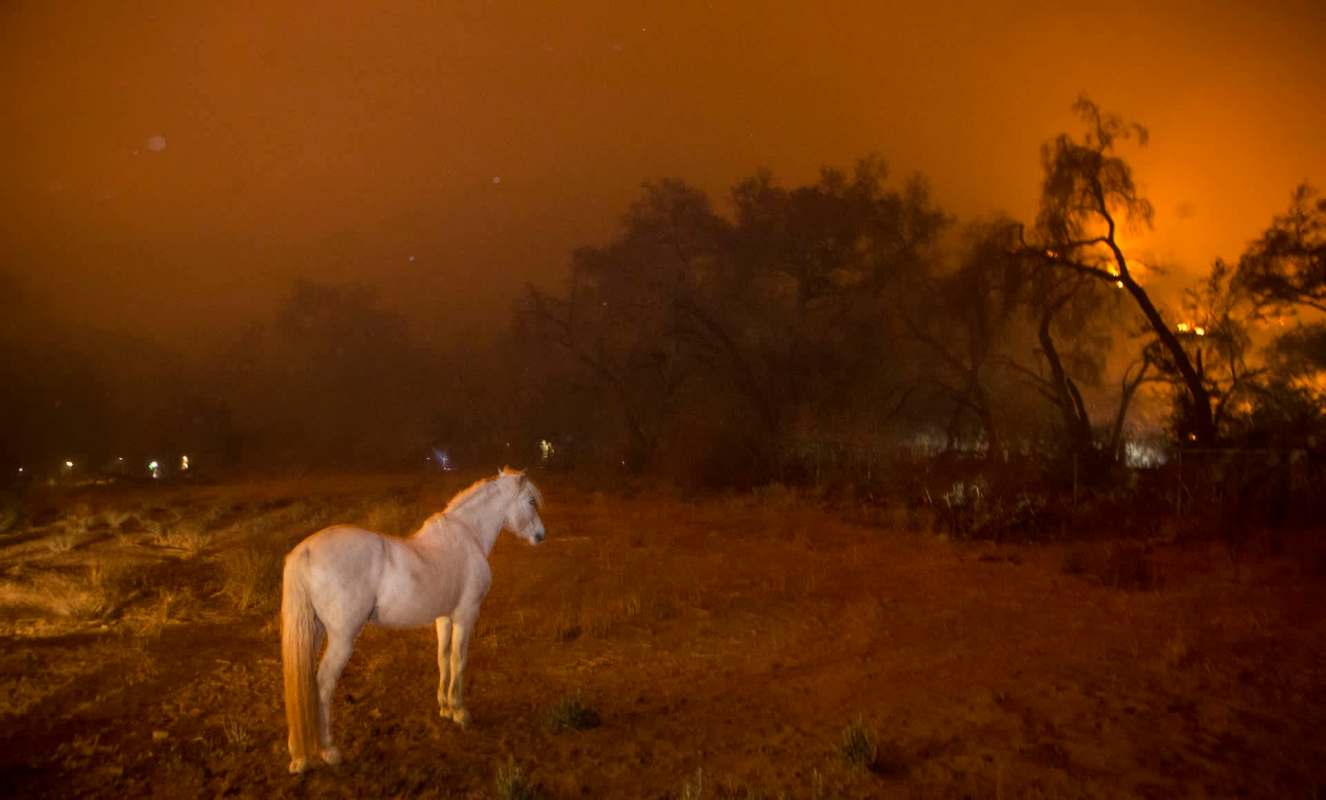
However, experts say the health threat does not stop with humans. Pets, birds, horses, and other forms of wildlife can all suffer serious harm from the same polluted air.
Here's what to know
According to Great Lakes Echo, smoke drifting into the Midwest from fires in the lower part of Ontario helped drive Detroit's Air Quality Index to 724 on July 16, far above the 300-point level considered hazardous.
For context, once an AQI value reaches 151, the air is considered unhealthy. If it reaches 200, it is 'very unhealthy' for those exposed. This means that reaching an AQI over 700 is quite a disastrous situation for all nearby living beings.
Michigan State University veterinary pathologist Jack Harkema told the outlet that air this polluted "doesn't affect just the lungs, but also the cardiovascular system and the metabolic system. We've even looked at the effects on the brain, and there's increased inflammation in the brain as well."
A major reason is PM2.5, the fine particulate pollution in wildfire smoke that is small enough to reach deep into the lungs and, in some cases, move into the bloodstream.
TCD Picks » Quince Spotlight
💡These best-sellers from Quince deliver affordable, sustainable luxury for all




University of Wisconsin-Madison professor Mayra Oyola explained this to Great Lakes Echo, saying, "PM2.5 particles are inhalable. They can get into the lungs and, just like in humans, they stay there. They can damage respiratory and cardiovascular tissue in anything that breathes. So it's not just us."
So when air-quality alerts tell people to avoid outdoor exertion or stay indoors, those warnings should also apply to dog walks, backyard pets, and other animals that may not show obvious distress until harm has already occurred.
More background
For animals living closer to active fires, breathing smoke is only part of the danger. Being forced out of their habitat can create new risks for wildlife and for nearby human communities.
Animals that remain outdoors, including horses and livestock, can be especially vulnerable because they may stay exposed to smoky conditions for days or even weeks.
As fire seasons lengthen, smoke episodes like this may become more frequent, making unhealthy air a recurring threat for communities and wildlife located hundreds of miles from the flames.
Where can I learn more?
These articles provide additional context to the experts' warning that wildfire smoke can do far more than irritate the lungs. They trace the same pollution to strokes, mental health emergencies, immune disruption, and deaths far from the fires.
• Across the U.S., wildfire smoke is raising stroke risk and reversing health gains.
• Emergency rooms saw significantly increased odds of mental health visits during smoke events.
• Wildfire pollution is driving premature deaths far from the flames, underscoring smoke's reach.
The above research makes it clear that smoke creates health risks far beyond breathing problems. That fuller picture helps explain why veterinarians and wildlife experts urge people to act quickly to protect animals when the air turns hazardous.

Get TCD's free newsletters for easy tips, smart advice, and a chance to earn $5,000 toward home upgrades. To see more stories like this one, change your Google preferences here.






