


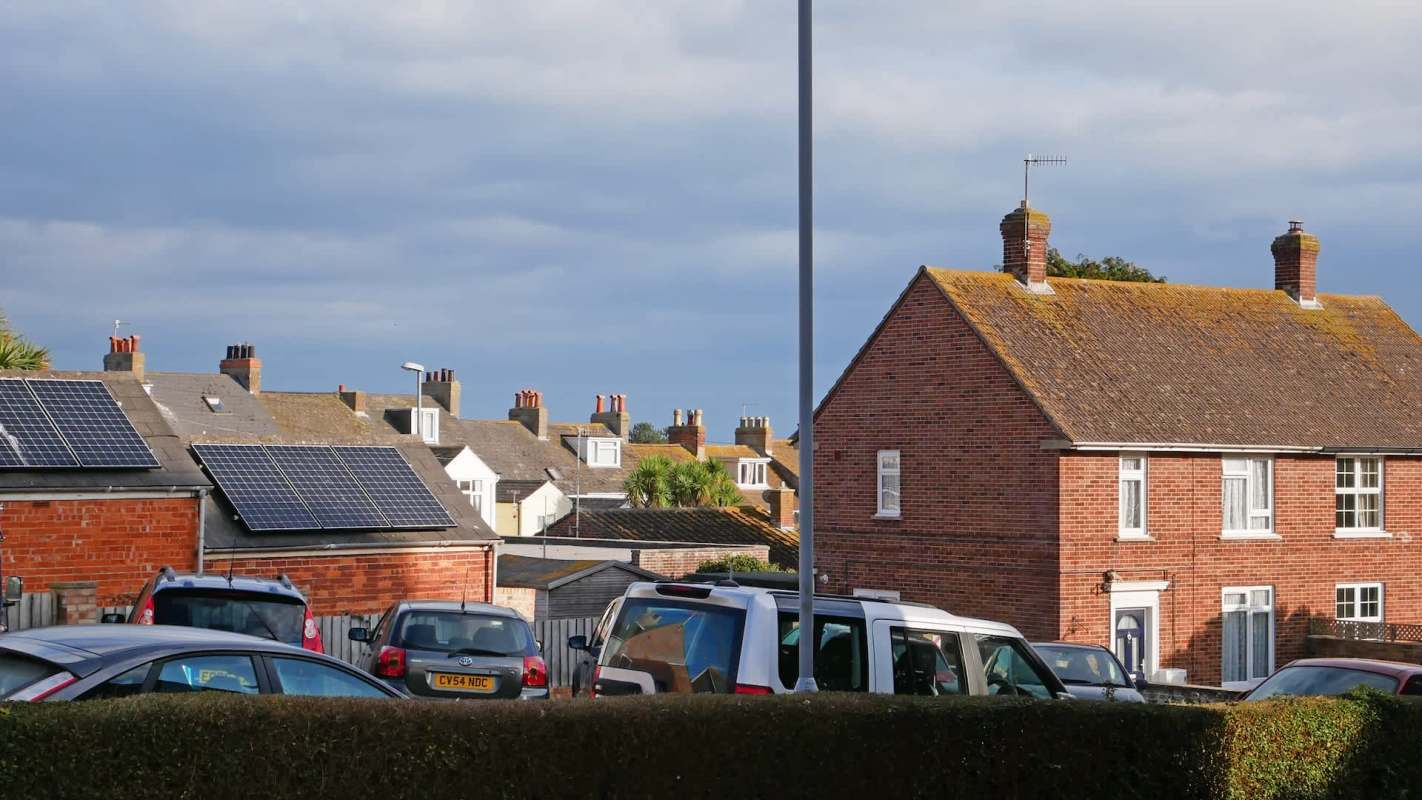
Rooftop solar can still pay off in parts of Great Britain better known for clouds and rain than bright skies, according to The Guardian.
Here's what to know
Figures from UK solar firm Recharge Renewable, cited by The Guardian, suggest that a typical rooftop system could trim about £450 (about $607) a year from electricity bills even in some of Britain's least sunny areas. In the brightest parts of the country, the yearly savings could rise above £600 (about $810).
The projected gains were strongest in southern England, at roughly £571 (about $770) a year in Brighton. But the estimates remained sizable farther north as well, at about £440 (about $594) in southern Scotland based on Glasgow solar generation.
The improved outlook comes from changes on two fronts. Wholesale electricity prices have increased, and the cost of installing solar at home has fallen. That makes rooftop panels a more attractive financial option for many households.
Recharge Renewable said that, even in places without much sunshine, a standard 4-kilowatt setup can still noticeably reduce energy bills.
More background
The findings arrive as solar installation activity is picking up across Britain. Based on official government data, the first half of 2026 produced more new solar installations than any other six-month period since 2011, when the U.K. built its first large-scale solar farm.
TCD Picks » Quince Spotlight
💡These best-sellers from Quince deliver affordable, sustainable luxury for all




Much of that recent expansion has come from residential rooftops. Smaller household systems now represent just under a third of the nation's total solar power capacity.
The growth is also showing up more clearly in electricity generation data. Solar supplied 14.4% of Great Britain's power in July, the highest monthly share yet recorded. Especially sunny weather in some parts of the U.K. helped, and so did the large amount of new solar capacity added.
What can be done?
Recharge Renewable said actual savings depend on household-specific factors, including roof direction and when people use electricity.
The company's analysis used a standard south-facing 4-kilowatt rooftop system. It assumed the average home directly uses only half of the electricity generated over a year and didn't factor in a battery. That means households with someone home during the day, or those able to run appliances in daylight hours, may consume more of their own solar power and save more.
Even after the government removed VAT on solar upgrades, however, a typical 4-kilowatt system still costs about £7,000 (about $9,450 USD). For many families, that remains too expensive, prompting calls for extra support to help lower-income households access the technology.
At the same time, other options are emerging. Plug-in solar panels are on sale in the U.K., giving people who cannot install a standard rooftop system another way to use the technology.
"Households should compare any regional headline with their own annual use, then look at whether a battery or more daytime demand would keep more of that generation on site," a spokesperson for Recharge Renewable told The Guardian.
Where can I learn more?
These U.K. estimates focus on cloudier regions, but the same tradeoffs show up elsewhere as households weigh upfront costs against long-term savings.
• Across the U.S., rooftop solar can shave hundreds off monthly household energy bills.
• For many homeowners, save over $1,500 every year once rooftop panels are installed.
• Energy experts say homeowners will save $31,000 to $120,000 over a system's lifetime.
• Some installers say federal incentives can get you $5,000 for rooftop solar upfront.
While the above stories focus on rooftop solar, that isn't the only possible route either. Depending on where you live, community solar may be the right move instead.

Get TCD's free newsletters for easy tips, smart advice, and a chance to earn $5,000 toward home upgrades. To see more stories like this one, change your Google preferences here.






