



With MidAmerican Energy's net metering program potentially nearing its end, one homeowner in western Iowa took to the internet for help deciding whether a solar project costing about $30,000 is a smart financial move.
The policy deadline was a major part of that calculation. The homeowner said that if the utility stops offering its net metering program, anyone who gets in beforehand could be grandfathered in for the next two decades.
Here's what to know
In a post to Reddit's r/Solar community, the original poster described their new-build home, a fully electric, 1,500-square-foot split-level new build served by MidAmerican Energy.
OP said their electricity is priced between 10.75 and 11.01 cents per kilowatt-hour. And under the current net metering policy, excess solar generation is carried forward as bill credit rather than paid out in cash.
Crushed by your bills? See instant solar savings from vetted installers in just a few clicks With energy prices through the roof, there's never been a better time to go solar — and EasyHome can help you find the best prices from the best installers in your area. EasyHome takes the guesswork and headaches out of energy upgrades by showing you estimated savings from a network of vetted local partners. To get started, just enter your ZIP and share a few details about your home — seeing your estimate is really that easy. |

The OP then added, "I have received two solar quotes. The first is for an array… for $28,888.74… The second bid is for an array… for a net cost of $30,362.85."
"I also want to get in on my provider's net metering program, which as I mentioned earlier is almost certainly going to expire by [the] middle of next year," OP explained.
The comments section quickly filled up with suggestions and advice.
One person wrote, "I personally would say it's a good investment. Biggest part of it is living there long enough for the ROI."
Another added, "Personally I would go with the larger system, that way after 10 years you will still be producing 100% of your consumption."
More background
This type of decision is especially relevant in states with lower electricity rates, where solar payback can seem less dramatic at first than in places with higher energy costs. Even so, a shrinking net metering window can change the equation by affecting how much value homeowners receive for the extra power their panels send back to the grid.
The roof details mentioned in the post are encouraging, with southern exposure and unobstructed views to the east, south, and west. The homeowner also raised a practical issue that often arises with solar proposals: whether the proposed panel count would actually fit on the usable roof area.
Still, going solar is one of the best ways to save money on home energy, particularly for households that expect their electricity use to remain high over time. Homeowners comparing bids like these can explore EnergySage to get free solar installation estimates and compare quotes.
More From EnergySage
💡Go deep on the latest news and trends shaping the residential solar landscape

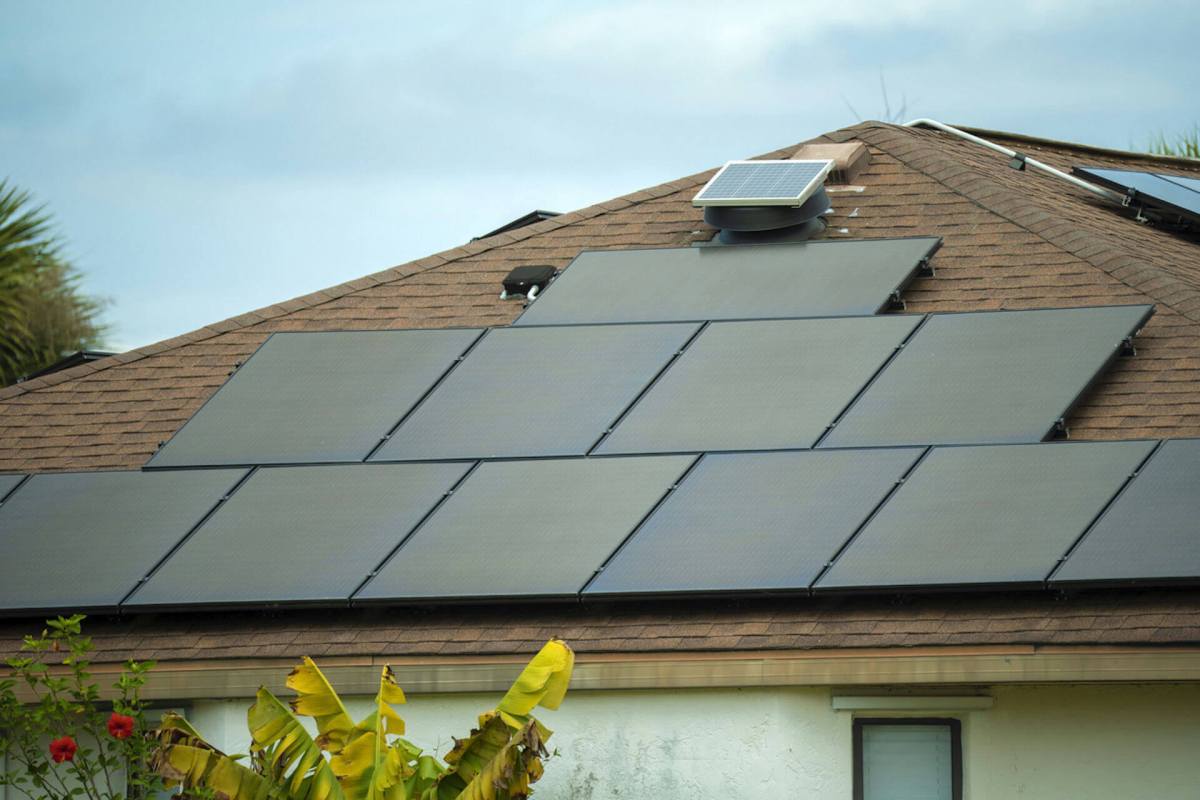


EnergySage's free services may be especially helpful for buyers trying to act before a policy deadline. With EnergySage's help, the average person can save up to $10,000 on solar purchases and installations.
Where can I learn more?
For homeowners weighing solar, there are seemingly countless questions to consider, such as how much money a solar array will really save, how net metering affects the payoff, and what happens when projected usage doesn't match day-to-day life. In other cases around the country, the math has changed quickly when state incentives, export credits, or utility rules worked differently than homeowners expected.
• In Ohio, a homeowner learned net metering may leave half the electric bill untouched.
• Near Chicago, a $37,000 quote saw Illinois incentives cut net cost below $18,000.
• Across the country, only 20 states still offer net metering generous enough to sideline batteries.
That is why policy fine print and actual household demand can matter just as much as the sticker price of the panels. For readers trying to decide whether to move before current terms change, those details may be what tips the decision.

Get TCD's free newsletters for easy tips, smart advice, and a chance to earn $5,000 toward home upgrades. To see more stories like this one, change your Google preferences here.






