


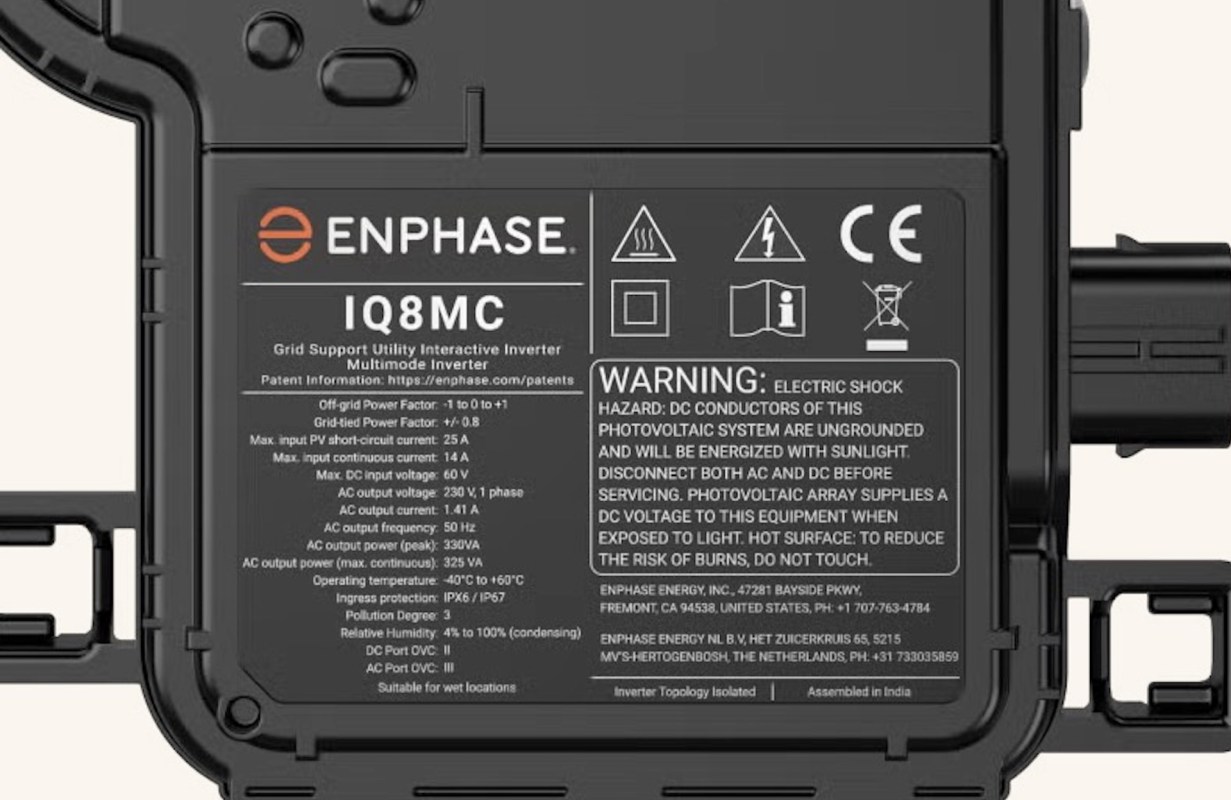
A Reddit post from an Enphase homeowner joked that he has "literally become my dad" and offered a revealing look at a home energy system built to get more from rooftop solar.
The post offers a glimpse of what can happen when panels, batteries, and EV charging all work together: more usable solar power, less wasted production, and better control over when electricity is used.
Here's what to know
In a post on Reddit, the homeowner described an Enphase system — a 48-amp EV charger — that uses solar first, then battery power, and the grid last. The setup also includes an IQ Gateway with a meter collar, two IQ Battery 10C units, and a 20-panel array using 400-watt modules. The OP said replacing IQ7s with IQ8MC microinverters reduced clipping and delivered "about 10% more energy because of efficiency."
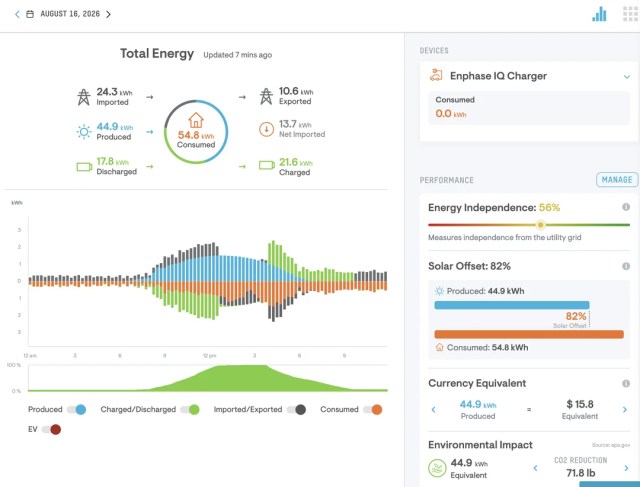
Clipping can leave some solar production untapped when panels generate more power than the inverter can convert at a given moment. If an upgrade really captures roughly 10% more energy, that can add up to lower utility bills, especially if the extra electricity is stored for later or used to charge an electric vehicle instead of paying for gas.
Adding battery storage is one of the best ways to protect your home during outages, save money on energy, and move closer to off-grid living. Homeowners who want to compare options can explore EnergySage for information about home battery storage choices, including competitive installation estimates. EnergySage has teamed up with the electrification brand Qmerit to guarantee you get the best price on home battery storage solutions.
Another option is Pila, which offers excellent battery backup choices. Its plug-and-play batteries are priced at a fraction of what a whole-home backup system would cost.
More background
What makes this setup stand out is the coordination among all the pieces. The homeowner is not just producing solar electricity; the system is also directing that power strategically. The EV charger is configured so rooftop solar is used first, stored power comes next, grid electricity is used last, and charging pauses during peak rate periods.
That kind of automation can make a major difference for families dealing with time-of-use pricing. Instead of pulling expensive electricity from the grid in the evening, a battery-backed home can store midday solar and use it later for appliances, air conditioning, or vehicle charging. In many markets, that means the financial payoff comes not just from generating clean power but from using it when it is most valuable.
Crushed by your bills? See instant solar savings from vetted installers in just a few clicks With energy prices through the roof, there's never been a better time to go solar — and EasyHome can help you find the best prices from the best installers in your area. EasyHome takes the guesswork and headaches out of energy upgrades by showing you estimated savings from a network of vetted local partners. To get started, just enter your ZIP and share a few details about your home — seeing your estimate is really that easy. |

Battery storage is also one of the strongest tools for resilience. During outages, stored electricity can help keep essential devices running, while on normal days it can reduce reliance on the grid and make a more self-sufficient home possible.
What can be done?
In a setup like this, system design matters. Panel size, inverter choice, storage capacity, and EV charging controls all affect how much value you get from each kilowatt-hour. A battery alone can help during outages, but one paired with smart charging and efficient inverter hardware can stretch savings even further.
It's also worth noting that EnergySage offers free tools to help homeowners go solar by curating competitive bids from local installers. Those quotes can be compared without installers getting your contact information unless you decide to move forward.
Where can I learn more?
At its core, this Enphase setup is about getting more from the power your home already produces — whether that's sending solar to an EV, cutting utility costs, or making smarter equipment choices. The articles below explore that same idea from a few different angles, from EV charging workarounds to solar savings and installation advice.
• One homeowner used 900W portable panels to cover EV charging without a costly upgrade.
• With EnergySage, one family was on track to no electricity bills at all after going solar.
• New rooftop systems are more powerful than ever, making household solar savings easier to reach.
• EnergySage's Charlie Hadlow broke down how EnergySage helps homeowners compare prices and simplify installation.
These examples all point to the same basic lesson: Solar savings often hinge on system design and how you use the power, not just the panels on the roof. That's the same principle driving this Enphase setup.

Get TCD's free newsletters for easy tips, smart advice, and a chance to earn $5,000 toward home upgrades. To see more stories like this one, change your Google preferences here.






