


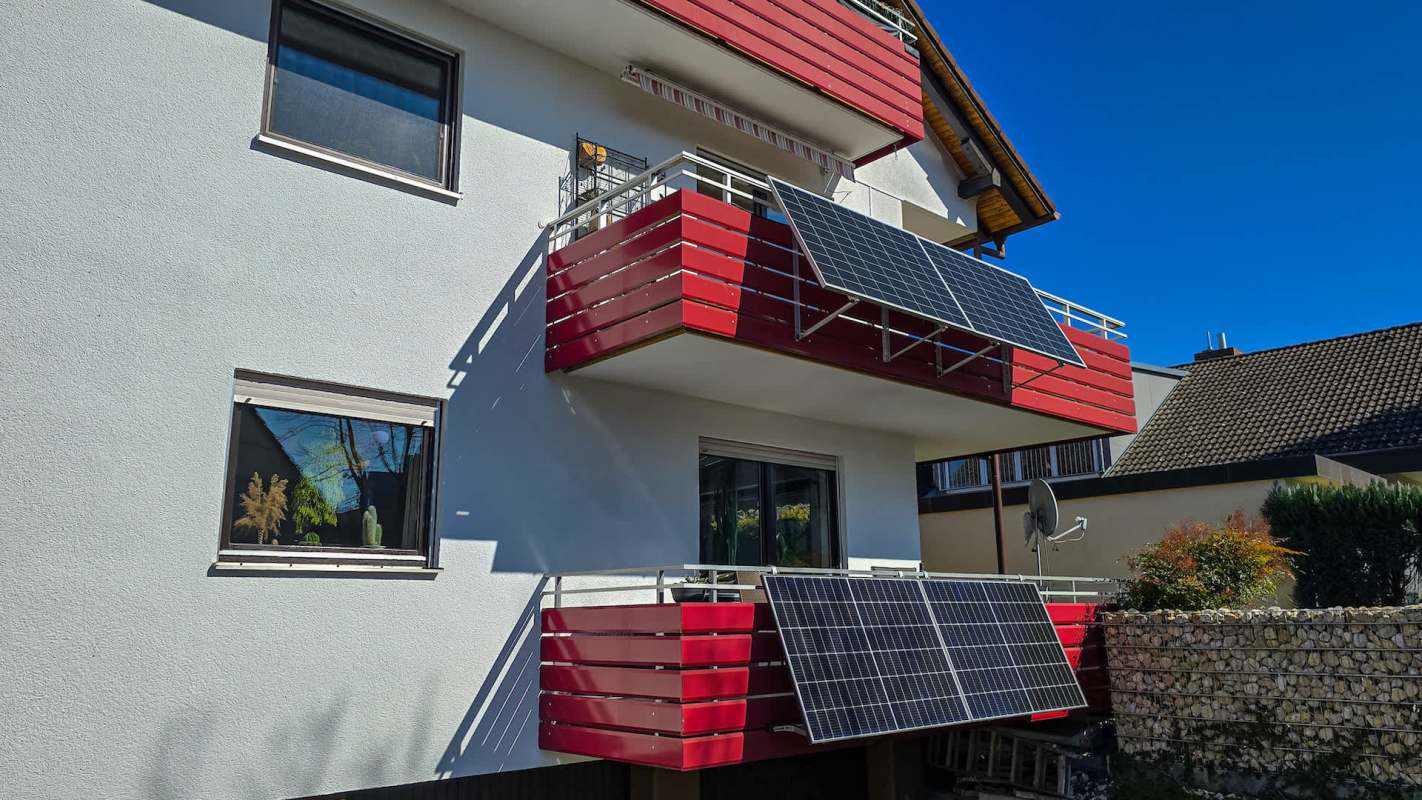
Australian households could have a cheaper way to use clean energy with plug-in solar kits, but current rules still prevent them from doing so legally.
Advocates said that leaves renters and apartment dwellers paying more for power while homeowners remain far better positioned to benefit from solar savings.
Here's what to know
Solar Citizens, an Australian advocacy group, is calling on the Labor government to legalize plug-in solar panels. The group said households could cut yearly energy costs by as much as $370, according to The Guardian.
These plug-in systems are small, self-contained solar units that can sit on balconies or in backyards and connect to a standard power outlet, reducing the amount of grid electricity a household needs for everyday appliances.
Researchers put the potential annual savings for households in Australian capital cities at about $226 to $372.
The kits are already available for sale in Australia, but using them by plugging them in remains illegal. Heidi Lee Douglas, chief executive of Solar Citizens, said that restriction is blocking many households from the kinds of savings traditional rooftop solar already provides.
TCD Picks » Quince Spotlight
💡These best-sellers from Quince deliver affordable, sustainable luxury for all




"It's unfair that more than three million Aussies who could benefit from portable plug-in solar panels are missing out because our regulations aren't up to date with the latest technology," Douglas said.
More background
The debate points to a broader fairness problem in Australia's clean energy shift: rooftop solar has grown quickly, but access to its benefits remains uneven.
Research from Energy Consumers Australia, cited by The Guardian, found solar is installed in about 44% of owner-occupied homes but only around 11% of rentals. Among apartment residents, uptake was 6%, compared with 39% for people living in detached or semi-detached homes.
Renters and people in apartments often have fewer practical options for cutting electricity costs, even as household energy bills remain under pressure.
A major obstacle for renters is the "split incentive," where landlords are expected to cover upfront costs even though tenants receive most of the savings. Apartment residents also face extra hurdles related to building rules and shared property.
When regulation lags behind technology, it can slow the transition to cleaner, cheaper energy and leave already-excluded communities bearing more of the cost.
What's being done?
Citing changes overseas, Solar Citizens is urging Australian governments to update the regulations. Countries including the United Kingdom, Germany, Spain, and New Zealand have already moved to make plug-in solar available.
Douglas said the change would be less a breakthrough than overdue catch-up.
"We see the UK, Germany, Spain and our neighbour New Zealand making plug-in solar available – so it's time for Australian politicians and regulators to work it out here. If it's good enough for the Kiwis and the Brits, it's good enough for us," she said.
Supporters said the household economics already make sense. Glen Morris, director of the Smart Energy Lab, said an 800-watt system can produce enough power during the day to run a fridge, a television, and other appliances.
The Guardian also reported record quarterly investment in large-scale solar and strong demand for home batteries.
Acting regulator chair Carl Binning said, "the speed of the transition is accelerating."
"For most renters it is the only form of solar they can own, and they take it with them when they move," Morris said. "A kit that costs about $1,000 pays for itself in three years and keeps working for twenty."
Where can I learn more?
Plug-in solar is part of a bigger effort to make clean energy savings available to more than just detached homeowners. Rooftop solar is already changing electricity prices in Australia, the UK is expanding access through local projects, and households can combine solar with other upgrades to bring bills down.
• In Australia, midday power is nearly free as rooftop solar floods the grid.
• In North Lincolnshire, a free solar panel scheme is already lowering locals' energy bills.
• For households weighing their options, using solar at home can start small and save steadily.
• Across Australia, households can cut about $4,000 a year by sealing drafts and ditching gas.
Solar policy matters most when cheaper power can reach renters and apartment residents too.

Get TCD's free newsletters for easy tips, smart advice, and a chance to earn $5,000 toward home upgrades. To see more stories like this one, change your Google preferences here.






