


While high prices are pushing many everyday American shoppers to cut back, luxury travel aimed at a new class of AI-fueled billionaires is taking off.
Here's what to know
Data from the Financial Times cited by Futurism shows U.S. retail sales dropped 0.6% from May to July, far steeper than the 0.1% decline that had been expected. The downturn is landing as workers worldwide contend with higher fuel prices and new U.S. import tariffs put in place by President Donald Trump.
The billionaire population has been expanding. From April 2025 to 2026, it grew 13% to roughly 3,302 people with 10-digit fortunes. More than 1,000 of them are based in the United States.
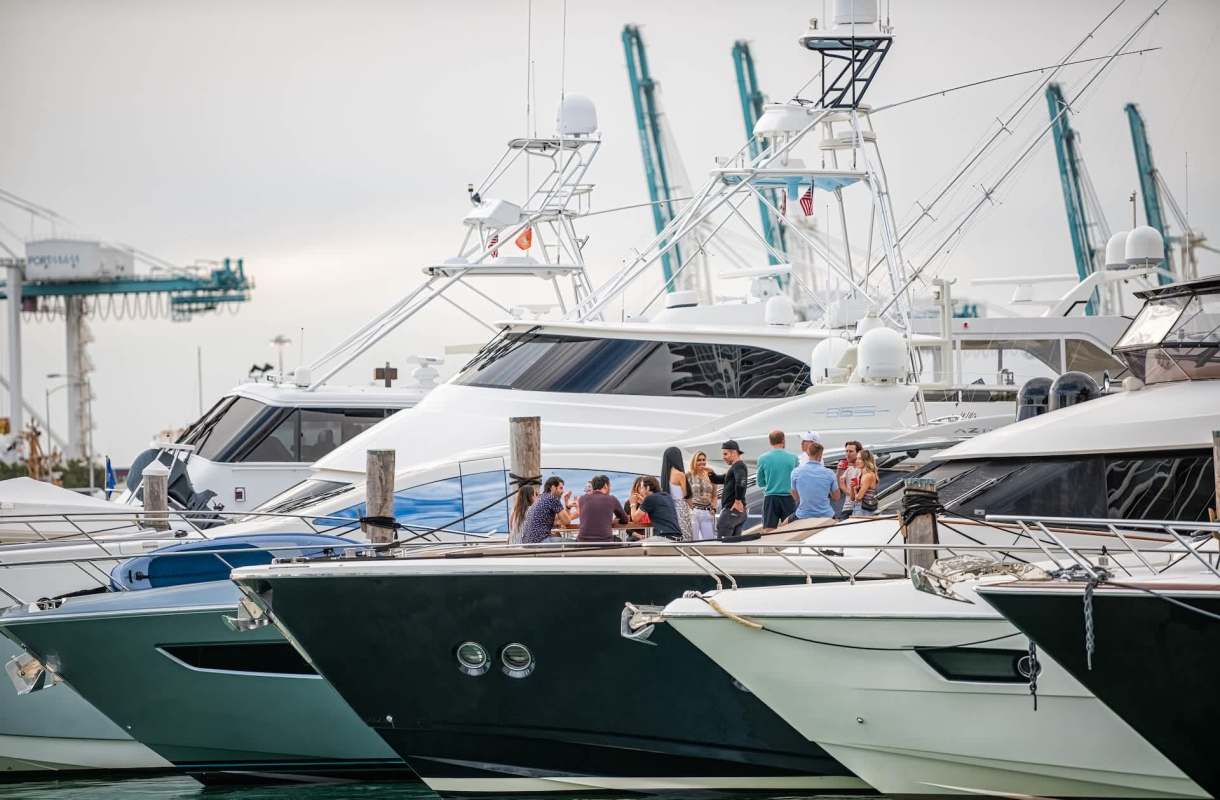
More of that wealth is on display, and many of the newly rich are pouring money into luxury cars, planes, and superyachts.
Toby Edwards, the co-chief executive of luxury aerospace company FlyVictor, told the Financial Times that these clients are "flying privately for efficiency and discretion" and "not to impress socially."
At the same time, Edwards said they're also focusing on things like "specific types of water" and "health-conscious catering" rather than more traditional-seeming kinds of luxuries.
TCD Picks » Quince Spotlight
💡These best-sellers from Quince deliver affordable, sustainable luxury for all




More background
On one side are consumers cutting back on essentials and discretionary purchases. On the other is a small but powerful group whose spending is strong enough to reshape entire luxury industries.
In a June social media post, economist Mark Zandi said nearly 60% of outlays during the first three months of 2026 came from the top 20% of U.S. earners, defined as people making $175,000 or more per year. Those outlays include consumer spending, charitable donations, and debt payments.
As everyday shoppers face higher costs, demand is climbing for some of the most exclusive forms of travel and consumption.
What can be done?
Stories like this can build pressure for policies that spread resources more evenly instead of concentrating them around a tiny share of ultra-wealthy buyers.
As luxury travel consultant Paul Charles told the Financial Times, "The emergence of the AI super-wealthy has opened up a whole new wave of demand for those companies providing access to private jets, yachts and supercars. The notion of the discerning client is rather outdated and so companies now have to adapt to cater to a new generation of luxury-focused traveller, created by this AI wealth."
Where can I learn more?
Retail weakness is colliding with AI-driven shifts in how people shop, even as concentrated wealth continues to widen the gap between everyday spending and elite consumption.
• Across the U.S., AI chatbots are reshaping holiday shopping in ways some consumers find joyless.
• In Miami's Indian Creek, billionaire bunker buying is pushing ordinary residents aside.
• At Amazon, AI-driven packaging changes are being used to cut waste at scale.
• In Australia, Shein and Temu face calls for a major investigation.
These spending trends can change neighborhoods and shift environmental costs onto the 99% when the 1% should be addressing them.

Get TCD's free newsletters for easy tips, smart advice, and a chance to earn $5,000 toward home upgrades. To see more stories like this one, change your Google preferences here.






