


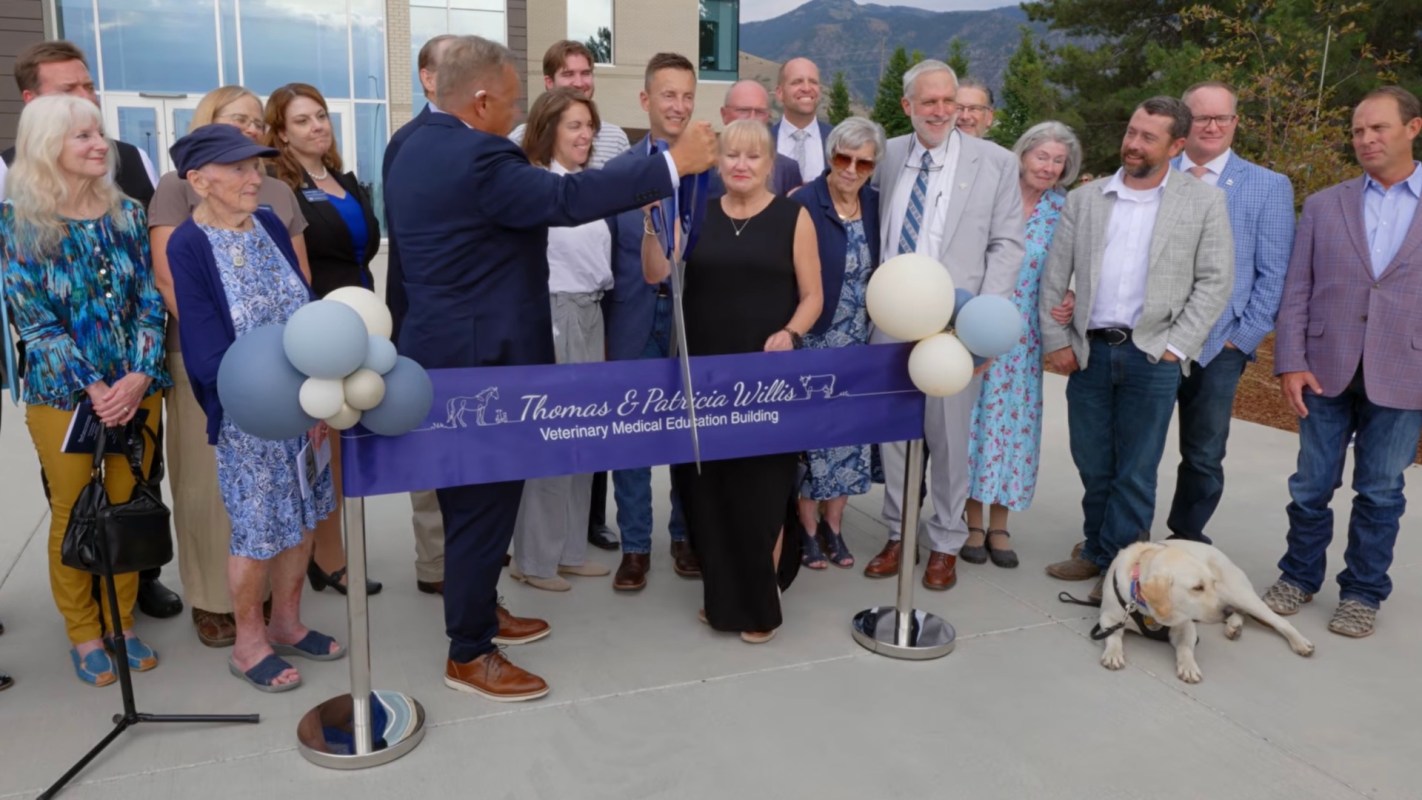
Utah State University is opening its new veterinary medical education building while also facing fresh questions about animal treatment in one of its labs.
The facility's debut comes amid a complaint connected to the deaths of 82 naked mole rats and one rabbit, renewing concerns about oversight and animal welfare at the university.
Here's what to know
In a formal letter to Utah State University President Brad L. Mortensen, the group Stop Animal Exploitation NOW!, or SAEN, asked the school to permanently prevent the staff tied to those animal deaths from working with animals again, according to The Herald Journal.
The complaint highlighted two U.S. Department of Agriculture violations classified as "critical." One of them involved lab staff killing 82 naked mole rats with prolonged carbon dioxide exposure rather than the approved injectable method.
The inspection said naked mole rats can survive in low-oxygen conditions, so the animals took more than 40 minutes to die by suffocation.
"Any laboratory staff who would engage in such an improper murder of animals when a better way was actually required by the protocol which was approved by the USU Institutional Animal Care & Use Committee should never be permitted to work with animals again," SAEN executive director Michael A. Budkie argued.
TCD Picks » Quince Spotlight
💡These best-sellers from Quince deliver affordable, sustainable luxury for all




Inspectors also documented the death of a rabbit during surgery. The Herald Journal reported that staff increased the anesthetic gas and did not reduce it after the animal reached a deeper plane of anesthesia.
More background
Amid Utah State's promotion of the Thomas and Patricia Willis Veterinary Medical Education Building, the university featured a variety of animals in related materials, including skunks, snakes, lambs, cows, lemurs, cats, hedgehogs, and porcupines, according to The Herald Journal. Many of those animals are there through a collaboration with Zootah.
The Herald Journal reported that the USDA said the university had already made corrections before the inspection, even though SAEN described the inspection as a failed one.
"President Mortensen, it is up to you to make certain that animals no longer suffer in endless painful asphyxiation, or die unnecessarily due to ineptitude in USU laboratories," Budkie's letter read.
What's being done?
Utah State University spokesperson Amanda DeRito said the school confirmed that "the researcher did not follow the animal research protocol approved by the committee when euthanizing animals in their lab."
DeRito said the university halted the lab's animal research activity while it conducted a review.
"These corrective actions included suspending all IACUC-approved protocols for animal research in the lab pending a full review, re-training, and re-evaluation," she wrote in an email to The Herald Journal.
She also said that Utah State notified federal authorities and the university's animal research accrediting body, AAALAC, and that corrective measures were "swiftly instituted."
"Utah State acknowledges and shares concerns about the welfare of the animals in the university's care," DeRito wrote. "USU is committed to transparency and to the humane and ethical treatment of research animals as reflected in the university's continuous accreditation by AAALAC for the last 40 years."
Where can I learn more?
Oversight issues and human-wildlife interactions can cause conflicts in very different places, from homes and wetlands to warehouses and suburban developments.
• At Lake Tahoe, residents said pulling 150 rats from this home revealed worsening infestations.
• In Argentina, a gated suburban community watched capybaras reclaim habitat lost to development.
• In the U.S., orange-toothed nutria are chewing through wetlands.

Get TCD's free newsletters for easy tips, smart advice, and a chance to earn $5,000 toward home upgrades. To see more stories like this one, change your Google preferences here.






