


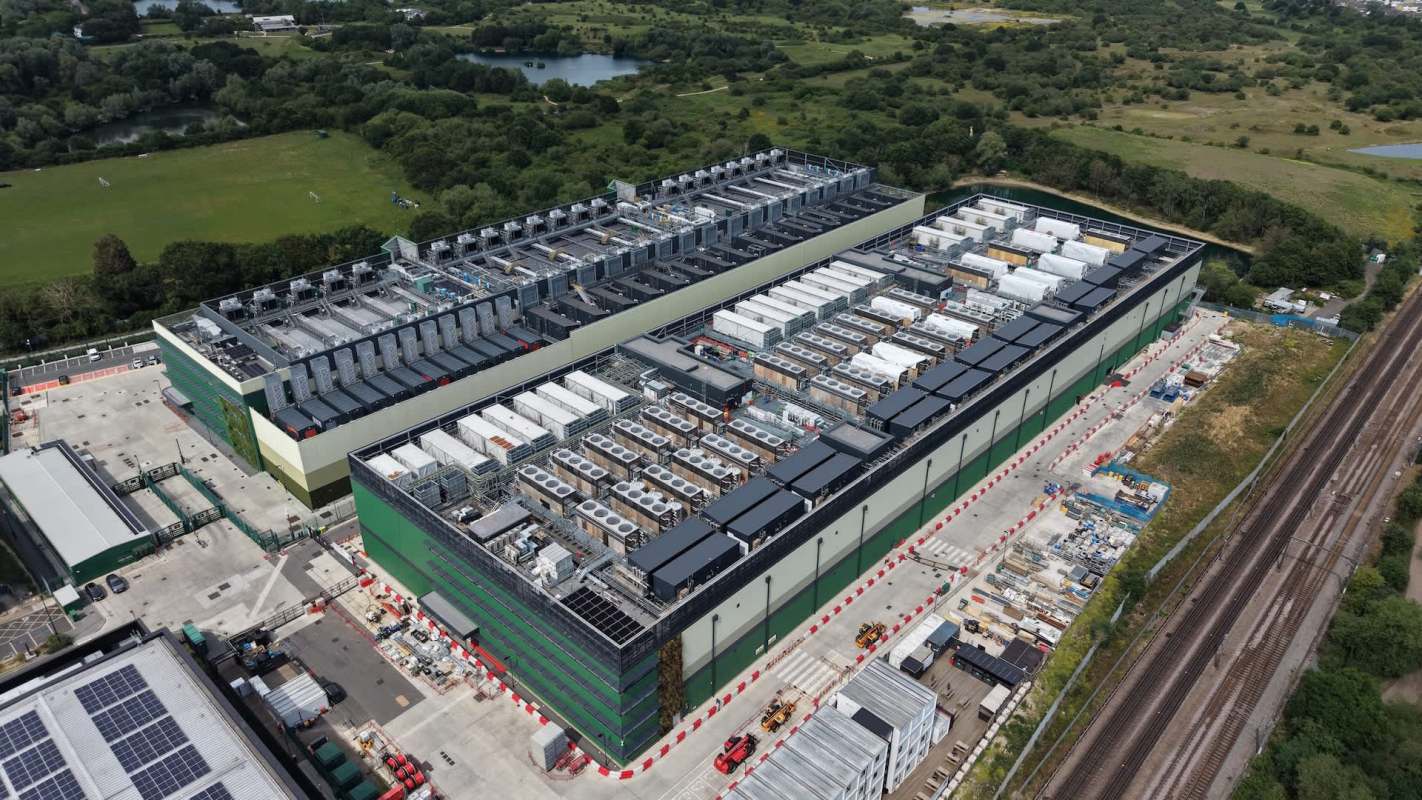
A new political campaign is preparing to spend millions of dollars to persuade voters in Kansas, Ohio, and Wisconsin that data centers can be good neighbors.
The effort could have implications well beyond local zoning disputes, as the facilities powering the AI boom are increasingly emerging as a major issue in state politics.
Here's what to know
Build American AI said it is affiliated with Leading the Future, a super PAC funded by venture capitalists Marc Andreessen and Ben Horowitz and OpenAI President and co-founder Greg Brockman. According to TechCrunch, the group plans to promote data centers with ads in key battleground states, and its budget is reportedly in the millions.
Centering on Kansas, Ohio, and Wisconsin, the campaign highlights how quickly data center growth has moved from a niche tech topic into state politics. In many communities, officials and residents are weighing promises of jobs and investment against concerns about land use, noise, water demand, and strain on local power systems.
Leading the Future has already become a major player in AI politics. It started with more than $50 million and has backed candidates who favor AI while working against those seen as opposing the technology.
Andreessen Horowitz has made disclosed federal contributions totaling more than $115 million, including money directed toward AI- and crypto-related efforts.
TCD Picks » Quince Spotlight
💡These best-sellers from Quince deliver affordable, sustainable luxury for all




More background
The debate around data centers is especially significant because AI is so tightly connected to the energy grid. Training and running AI systems can require enormous amounts of electricity, and many facilities also use substantial amounts of water for cooling.
That can put added pressure on utilities and infrastructure, with the potential to raise household costs if grid upgrades or new power generation are needed.
At the same time, AI can help manage energy demand, improve grid forecasting, and support cleaner power systems by optimizing when and where electricity is used. The same technology driving higher electricity demand could also help utilities operate more efficiently.
The question is not only whether AI is useful, but also who benefits from the buildout and who bears the costs if a project affects traffic, land values, water access, reliability, or monthly bills.
Political messaging around these facilities is growing more aggressive as elections draw closer.
What's being done?
Companies, investors, and political groups are trying to shape public opinion before local resistance hardens into statewide opposition. Build American AI's ad campaign is one example of that strategy, aiming to frame data centers as an economic and technological asset rather than a burden.
But that political push is already drawing skepticism, including from within the AI industry. OpenAI said in a June blog post that it does not direct Leading the Future, even though Brockman and his wife have supported the super PAC.
Other well-funded groups are also entering the debate from different angles. Anthropic is a supporter of Public First Action, a group backing AI regulation.
"Groups that are advocating on AI should be clear about their policy views, be honest about whom they represent, and not use tactics like astroturfing that obscure the real choices facing policymakers and the public," OpenAI said.
Where can I learn more?
Those fights are already showing up elsewhere, as communities and regulators grapple with the real costs of AI infrastructure. Concerns over water use, grid strain, and higher household bills are shaping data center politics well beyond the three battleground states in this campaign.
• In Texas, residents warn data centers could drain water while pushing power bills higher.
• In New Jersey, regulators say rapid AI expansion could push bills up by 20%.
• Nationwide, AI facilities now devour 6% of US electricity as demand surges.
• Across the U.S., communities fear AI will hit jobs, water and electricity all at once.
• Big Tech's AI boom is outrunning the power grid as infrastructure spending accelerates.
Political groups obviously think local views on data centers are worth spending millions in ads. It also shows how quickly AI infrastructure decisions can become kitchen-table issues for voters.

Get TCD's free newsletters for easy tips, smart advice, and a chance to earn $5,000 toward home upgrades. To see more stories like this one, change your Google preferences here.






