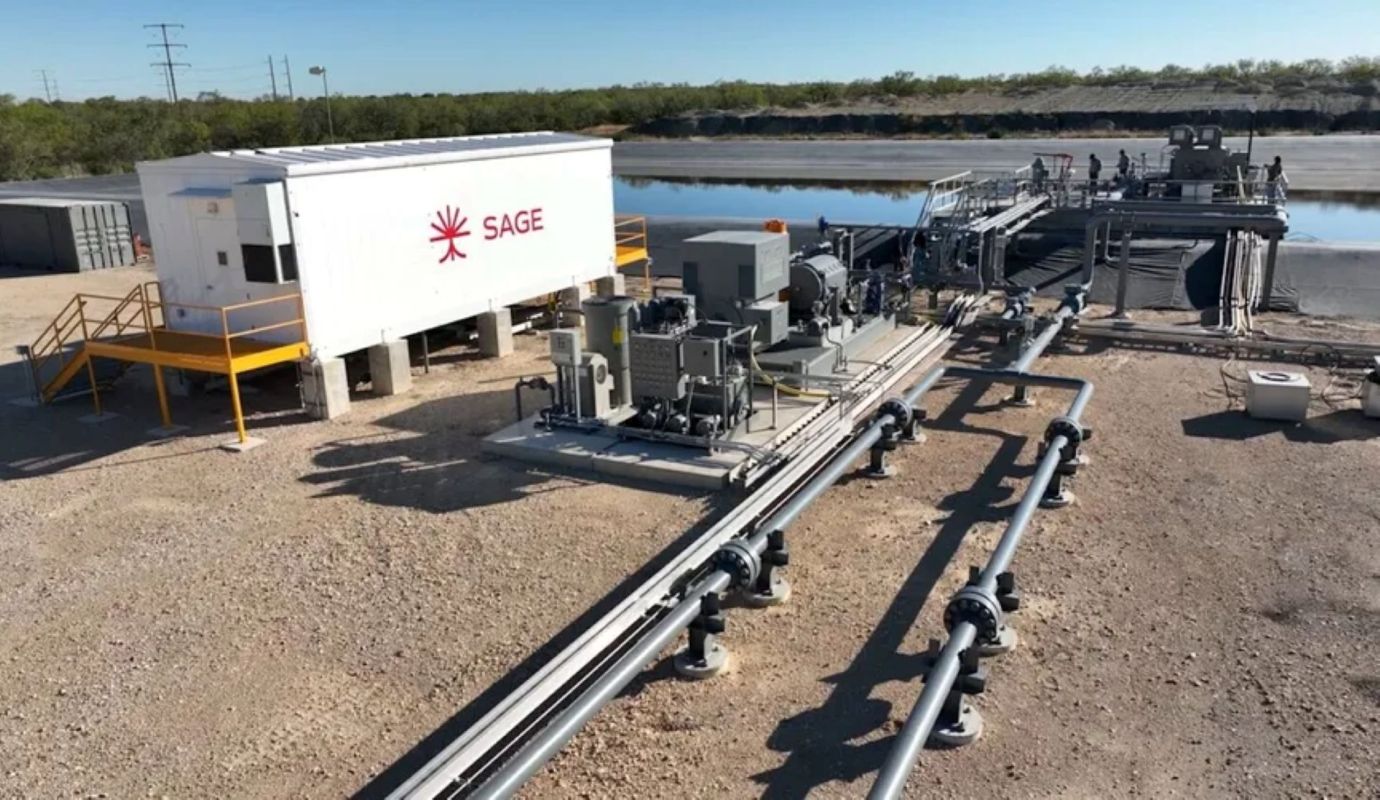
A next-generation geothermal plant in South Texas has quietly reached a major milestone.
Houston-based Sage Geosystems has been producing electricity for the grid for more than 120 days, making it the third of its kind to come online in the United States — an important step for a cleaner-energy technology that offers around-the-clock power.
Here's what to know
Houston-based Sage Geosystems built its 3-megawatt pilot near the town of Christine, where it also added its own substation and at times sells electricity into the Texas grid. The company said the plant has been running since April and, according to Canary Media, has stayed reliable through more than 120 days of grid-connected service.
Enhanced geothermal is designed to work beyond the limited places where underground heat is naturally easy to access. As Canary Media explained, developers drill into hot rock, fracture it to create water pockets, and use that trapped heat to make electricity.
Sage Geosystems CEO Cindy Taff has said conventional geothermal depends on "very unicorn geology" — rare places where accessible water, heat, and permeable rock all exist together.
On-demand cleaner electricity remains a hot commodity, especially power that is available even when the wind is not blowing or the sun is not shining.
TCD Picks » Quince Spotlight
💡These best-sellers from Quince deliver affordable, sustainable luxury for all




More background
By utility-scale standards, the Texas facility is small, and enhanced geothermal projects that have actually connected to the U.S. grid are still uncommon.
Of the two earlier U.S. examples, Ormat's 1.7-megawatt demonstration project at Desert Peak in western Nevada began producing power in 2013, although it is no longer operational. Meanwhile, in 2023, Fervo Energy started a 3.5-megawatt facility in northern Nevada with Google and has since moved on to a much larger 500-megawatt project in Utah.
Sage's Texas plant now adds another real-world example of a company moving beyond theory. Dependable cleaner electricity can help support the grid during periods of high demand while reducing reliance on fuel-burning power sources that contribute to planet-warming pollution.
Technologies like this could help create more stable energy systems while giving large power users another way to manage costs by diversifying where their electricity comes from.
What's being done?
The Texas pilot is also serving as a proving ground for Sage's bigger commercial plans. The company said the results will help guide its next project in Nevada with Ormat Technologies, which Canary Media described as a conventional geothermal leader that is increasingly testing next-generation technology.
Sage said the Nevada project must come first before its agreement with Meta to develop 150 megawatts of geothermal power. If those efforts move ahead successfully, they could provide cleaner energy to data centers rather than relying on the grid.
The approach also suggests a practical route for energy transition efforts by placing cleaner infrastructure near existing energy sites and grid connections. In 2024, Sage reached a deal with San Miguel Electric Cooperative to use land near a coal-fired power plant in Christine, indicating that former or current fossil-fuel hubs could help shape the next phase of power generation.
That kind of development could mean cleaner energy options without having to start from scratch on every piece of infrastructure.
Sage's early results in Texas are still only a first step. According to Canary Media, Taff said the findings will "directly inform and de-risk" the Nevada work with Ormat Technologies.

Get TCD's free newsletters for easy tips, smart advice, and a chance to earn $5,000 toward home upgrades. To see more stories like this one, change your Google preferences here.