


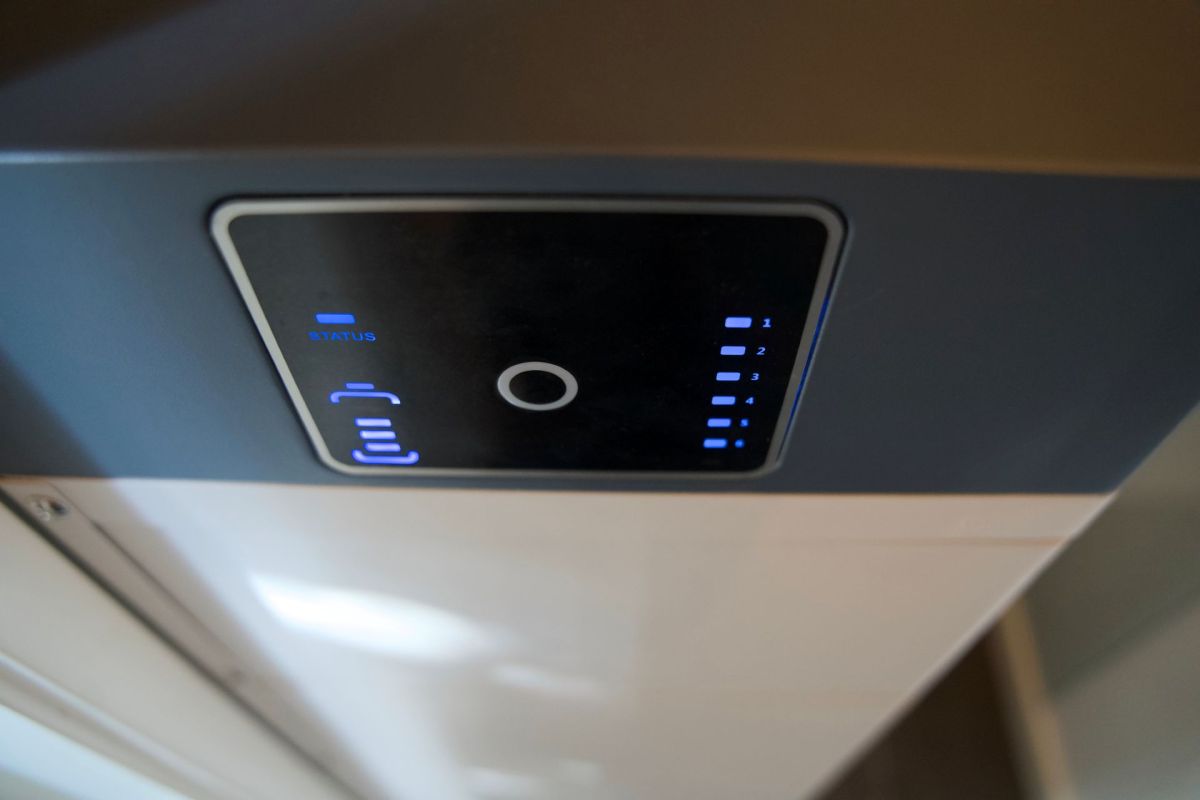
A clear message emerged from a Reddit discussion among U.K. homeowners about getting a home battery without installing solar first. Many existing owners said the math can still make sense if they charge during cheaper tariff periods and rely on that stored electricity later.
In the thread, people treated a battery-only system less like a niche experiment and more like a normal way to cut day-to-day energy costs.
Here's what to know
The conversation started on the r/OctopusEnergy Reddit forum, where a user asked whether people without solar panels use home batteries to buy power overnight at low rates and then discharge them during more expensive hours. They also wanted to know whether that charging would count toward the charge cap, saying they were "trying to think of options."
"Everyone with a home battery is doing this," one commenter wrote.
Another Redditor who said they have a battery-only setup on Intelligent Octopus Go added: "It's a no brianer."
For readers considering the same move, it may be worth exploring EnergySage to compare home battery storage options and get competitive installation estimates.
For some households, the idea looked even better because Octopus had already said that charging a battery from 23:30 to 05:30 would not count toward the new charge cap.
More background
What made the exchange notable was its focus on storage without rooftop solar, a scenario that usually gets less attention than full solar-plus-battery systems. Even so, commenters described the same basic advantage: When a tariff offers cheap overnight electricity, shifting that energy into higher-cost hours can lower bills.
Save $10,000 on solar panels without even sharing your phone number Want to go solar but not sure who to trust? EnergySage has your back with free and transparent quotes from fully vetted providers in your area. To get started, just answer a few questions about your home — no phone number required. Within a day or two, EnergySage will email you the best options for your needs, and their expert advisers can help you compare quotes and pick a winner. Solar panels can save you more than $50k over their 25-year lifespan, and EnergySage can help you save as much as $10k on installation. Which begs the question — isn't that worth an email or two? |

Some Redditors also shared rough return estimates.
One user said two Powerwalls cost £10,000 and that the "payoff is about 7 years and is cost neutral with financing."
Another commenter argued: "Fogstar system roi is much faster than 7 years, 3-4years."
Battery storage is also one of the best ways to protect your home during outages, save money on energy, and go off-grid. Even without solar, stored electricity can offer peace of mind when the grid goes down while reducing dependence on expensive peak-hour power.
People in the thread who have solar said they often still prefer to charge batteries during low-rate windows and export their daytime generation when the payout is better.
"Storing energy when it's cheap and using it later when it would be expensive will remain a thing," one commenter wrote.
What can be done?
For households interested in storage, the first step is usually comparing battery size, installation costs, tariff compatibility, and expected return on investment. Those details can vary widely depending on energy use, local rates, and whether the battery will be used for backup, savings, or both.
Another option worth looking at is Pila. If your utility offers low overnight rates, a battery's savings potential may not depend on solar at all.
Where can I learn more?
Battery-only economics are part of a broader home-energy shift in the U.K., where more households are weighing solar, storage, and flexible tariffs. These articles show how people are piecing those options together based on installation costs, incentives, and day-to-day energy use.
• Across the U.K., lawmakers helped drive record levels of rooftop solar as households chased lower bills.
• One homeowner found his solar setup works after skipping a battery and adding an EV charger.
Seen alongside those examples, battery-only savings make more sense as one piece of a larger home-energy picture. That context can help households decide whether off-peak charging without solar is worth it for them.

Get TCD's free newsletters for easy tips, smart advice, and a chance to earn $5,000 toward home upgrades. To see more stories like this one, change your Google preferences here.






