


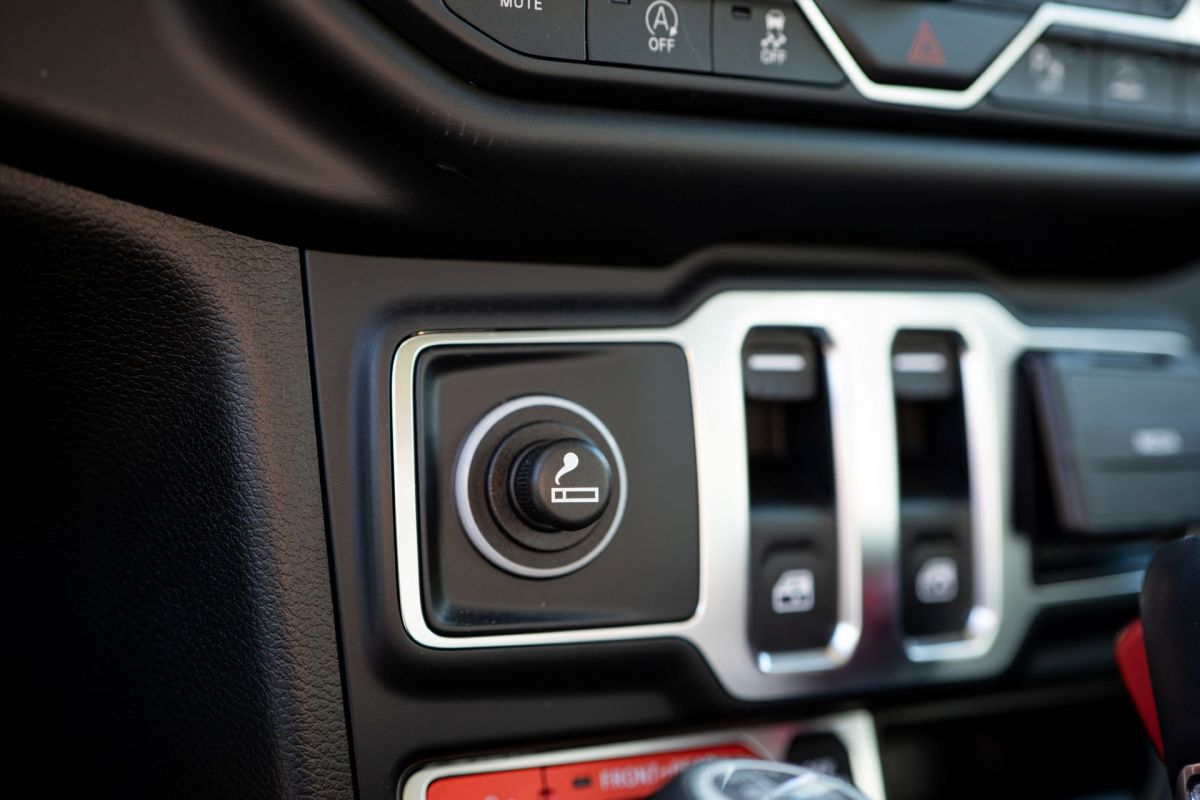
For people relying on portable batteries in a vehicle, charging speed and battery size are key factors to weigh. That's why one Pacific Northwest Subaru driver sparked a Reddit discussion after asking whether a do-it-yourself install of a Jackery DC-DC alternator charger was worth it.
The driver said their current 12V setup tops out at about 99 watts, making every recharge feel slow when power is needed for daily life.
Here's what to know
The dilemma in the Reddit thread involved a Jackery 1000 v2 used by someone preparing to live full-time out of a car. They said the unit is usually recharged through the cigarette lighter port, and because they no longer had their solar panels with them, they were concerned that autumn in the Pacific Northwest would make solar less effective. "I'll be living in my car full time," the poster explained.
Although the poster said they can handle routine car jobs like headlights, tires, wipers, and fuses, they saw wiring as a different level of risk. They wrote, "I usually don't touch electrical wiring because sometimes only having a little knowledge can be harmful," and said they did not want to "cause my car to combust or something."
The key point from the discussion was the jump in wattage. One reply said the Jackery could charge at nearly 395 watts with the DC-DC unit, compared with about 75-95 watts from a standard car outlet. In that commenter's words, "When powering the 1000v2, the Jackery DC-DC converter will be about 4 times, perhaps up to 5 times faster."
Another commenter offered a more direct comparison: "It charges up to 6 times as fast as the lighter socket."
TCD Picks » Quince Spotlight
💡These best-sellers from Quince deliver affordable, sustainable luxury for all




More background
Portable power stations are used for vehicle living, camping, road trips, and backup power during outages. Alongside battery capacity, recharge speed also matters.
Cloudy weather can limit solar charging. In the Pacific Northwest in autumn, an alternator-based option can power phones, lights, laptops, and other essentials while driving.
One commenter captured their temptation to buy a similar setup by saying, "it'd be nice if a short car ride topped it off at 4 times the rate I get from the 12V outlet."
The original poster's concern about wiring was well-founded. A mistake during installation could end up costing more than the charger itself.
What can be done?
In the thread, one commenter said bigger solar panels might help, while the original poster ultimately leaned toward the alternator charger because it offered more dependable charging while driving. A mixed setup of solar plus vehicle charging could provide a better balance.
If someone is not confident with vehicle wiring, fuse placement, or cable routing, professional installation may be the smarter move.
The original poster commented an update: "Yeah, I get about 95-99W with my Jackery in my Subie. That's the only reason I finally spent the $240 for the alternator charger yesterday. It's just so much more efficient."
Where can I learn more?
Frustration over slow charging goes well beyond one Subaru setup. Similar questions about speed, convenience, and reliability are showing up everywhere, from messy EV charging on U.S. road trips to new ideas around battery swapping and safer energy storage.
• Across the U.S., drivers face messy setups like 8 charging apps, 2 adapters, and mystery prices on road trips.
• In India, Gogoro is rolling out revolutionary battery-swapping stations to cut charging downtime for riders.
• Engineers have created a water-based battery aimed at safer home energy storage.
For anyone debating whether faster charging is worth the added cost or the installation hassle, these stories offer some useful context.

Get TCD's free newsletters for easy tips, smart advice, and a chance to earn $5,000 toward home upgrades. To see more stories like this one, change your Google preferences here.






