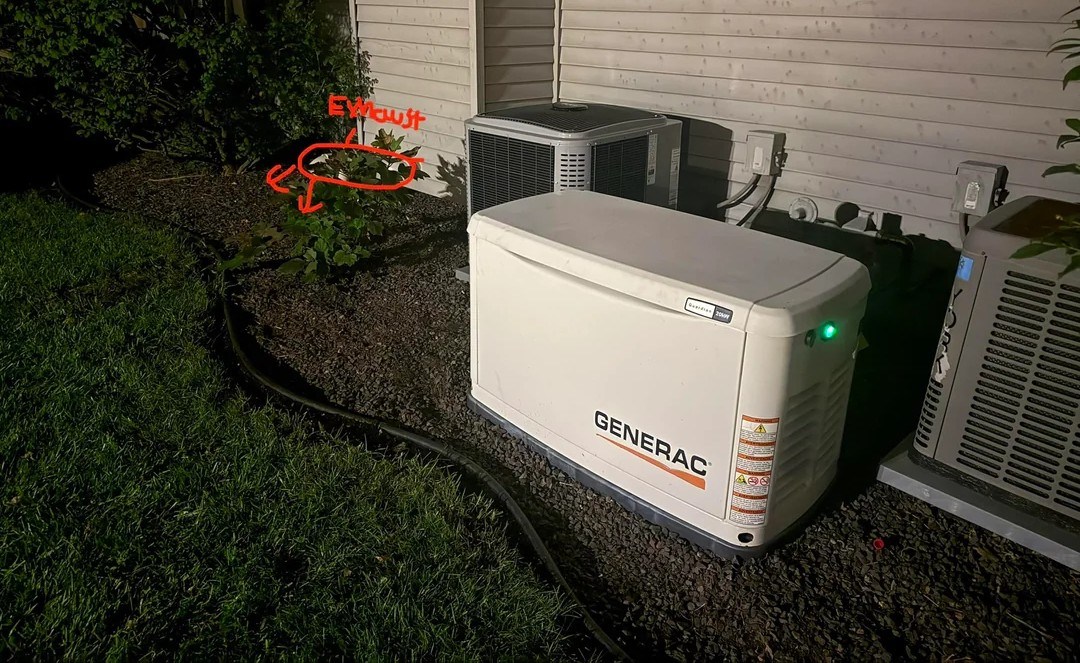
A Reddit post about a standby generator drew urgent safety concerns after a homeowner described a carbon monoxide problem at their house.
The family wanted to know whether the generator's location was acceptable, but several replies concluded that the placement appeared hazardous and possibly non-compliant with code.
Here's what to know
On Reddit's r/Generac_Generators community, the homeowner explained that their Guardian 20-kilowatt standby generator came with the property when their family moved in.
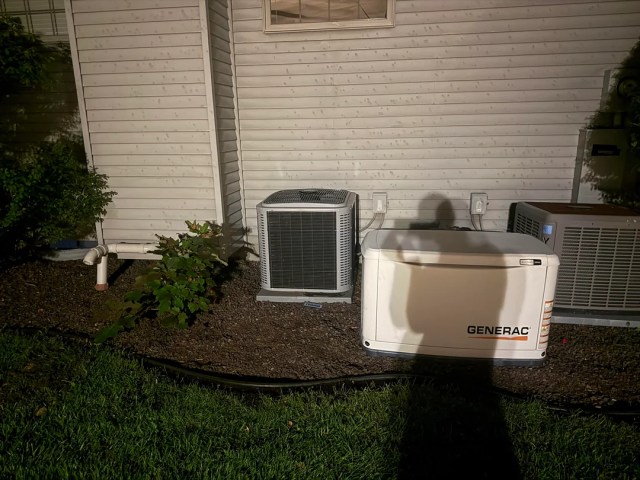
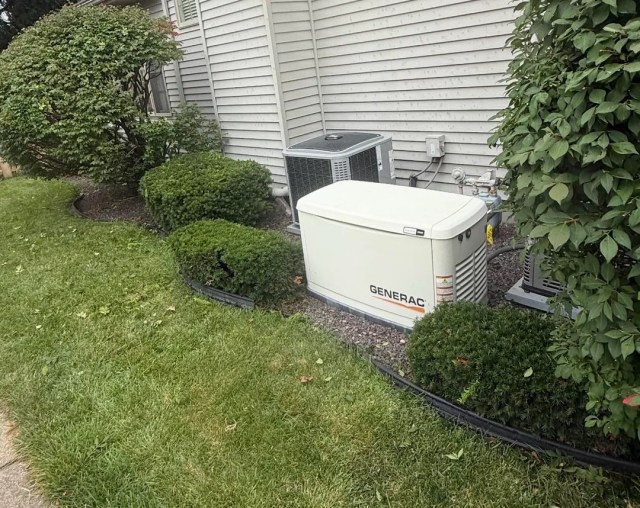
This original poster wrote, "We had power go out last week and had to turn it off due to carbon monoxide entering our house because of a loose spark plug not connected, causing it to only burn on one and dispensing the rest of the gas… We moved it farther away [from the house]."
The OP then shared an image of their generator's placement and asked the other users, "Just wondering if this is an okay spot!"
The Reddit community largely said that the changes a specialist recently made did not address the broader carbon monoxide concern. One wrote, "No. Still too close to the AC units." Another asked, "Does that window open? The AC repair guy will not like that there." A separate commenter said, "Not sure where you're located but code wouldn't allow it where I live."
TCD Picks » Quince Spotlight
💡These best-sellers from Quince deliver affordable, sustainable luxury for all




More background
During an outage, standby generators can keep basics running, including refrigeration, lights, air circulation, and medical equipment. But because they create exhaust, a poor installation location can turn that convenience into a serious safety issue.
In the Reddit discussion, several people focused on how close the unit appeared to be to AC equipment, windows, vents, and other openings. One commenter said the nearby AC unit could get "blasted with hot exhaust air" and potentially push fumes upward.
Finding a placement problem early may help homeowners avoid repeat service visits, damage to HVAC components, failed inspections, or a more expensive move later. It can also help prevent another carbon monoxide incident.
Where can I learn more?
Generators can keep a home running during an outage, but bad placement or older equipment can introduce serious risks, as these stories on fumes, airflow, and quieter backup options make clear.
• During Hurricane Beryl, families faced dangerous carbon monoxide exposures after relying on backup generators.
• Homeowners weighing generator enclosures found noise, airflow, and warranty concerns could clash in one setup.
• Some storm-ready drivers turned to emergency power backup from EVs when they wanted to avoid generators.
Backup power choices should factor in fumes, airflow, noise, and whether a safer alternative makes more sense before the next outage hits.

Get TCD's free newsletters for easy tips, smart advice, and a chance to earn $5,000 toward home upgrades. To see more stories like this one, change your Google preferences here.