


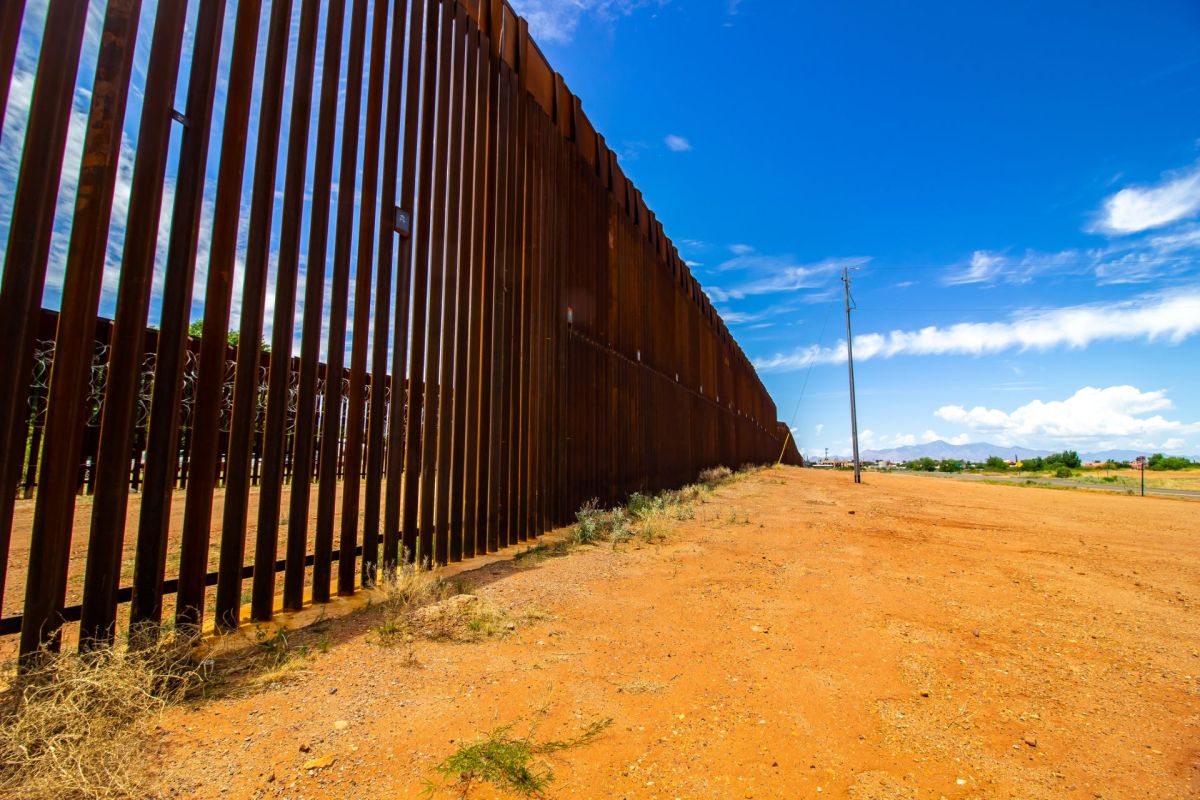
An Arizona desert oasis that has anchored O'odham ceremonies for generations is at the center of a growing fight over planned border wall construction near Quitobaquito Springs.
A Hia-Ced O'odham elder says the project would harm land her family has regarded as sacred for generations, according to the Arizona Luminaria.
While visiting the site, Marquez Eiler displayed a photo of ancestors who traveled about 50 miles across the Sonoran Desert to reach the spring O'odham know as A'al Vaipia.
Here's what to know
Alongside tribal leaders and U.S. Rep. Adelita Grijalva, Marquez Eiler spoke out against the proposed construction.
New border barriers are being pursued by the federal government on both Tohono O'odham land and nearby federal property at Organ Pipe Cactus National Monument, where Quitobaquito Springs is located.
For Hia-Ced O'odham, Tohono O'odham, and other Indigenous communities in Southern Arizona and México, Quitobaquito Springs is a sacred place. Marquez Eiler said the project would inflict another injury on a people whose lands have already been split and transformed by borders they never accepted.
TCD Picks » Quince Spotlight
💡These best-sellers from Quince deliver affordable, sustainable luxury for all




"That's just another slap in the face, as far as I'm concerned, to my ancestors. And so I ask: Why?" she said.
At a town hall in Ajo, residents also objected to wildlife impacts and taxpayer costs, citing more than $46 billion in federal spending on wall projects from California to Texas.
More background
In an exceptionally dry region, Quitobaquito Springs is one of the rare natural water sources and is crucial for both people and wildlife.
Additional construction, community members warned, could endanger the spring and the habitat of species Arizona Luminaria identified as endangered, including the Quitobaquito pupfish, Sonoyta mud turtle, desert caper plant, and tiny Quitobaquito tryonia springsnail.
The 1854 Gadsden Purchase divided the Tohono O'odham Nation's ancestral homeland, and roughly 3,000 enrolled O'odham citizens now live in Sonora, México.
Despite that imposed border, families have continued to cross for visits, ceremonies, and cultural responsibilities.
Critics of the project argue that it endangers sacred sites, damages a delicate ecosystem, consumes vast public funds, and further separates communities that have long existed on both sides of the border.
What's being done?
In June, the Tohono O'odham Nation filed suit against the Department of Homeland Security to try to stop construction on tribal land, according to Arizona Luminaria.
The lawsuit says the wall would bring "significant devastation," harming sacred mountain peaks, religious practices, and plants and animals important to O'odham culture.
On August 7, tribal leaders posted "No Trespassing" signs, stating that any contractors entering the Nation would be there illegally. After U.S. District Judge Richard J. Leon rejected a preliminary injunction on August 14, the Nation appealed.
Resistance has also come from elected officials. Grijalva and other Democratic lawmakers sent a letter calling for construction to stop until tribal consultation takes place and Congress receives a full accounting of effects on tribal lands and neighboring communities.
Federal officials, though, say the work will continue. U.S. Customs and Border Protection Commissioner Rodney Scott said the wall would close "one of the most dangerous smuggling and trafficking corridors on the Southwest border."
Sara Mae Williams, Justice of the Peace in Ajo and a citizen of the Tohono O'odham Nation, said, "Why do we not want a wall? Because we are not afraid of who is on the other side. It's us. It's our people. It pains me when they try to divide us."
Where can I learn more?
The fight over the Arizona project touches many of the same issues seen in other border-wall disputes, including habitat loss, species protections, and the price of hard barriers.
In Texas, leaked federal records described border barriers as a "deathtrap" for wildlife fleeing wildfire, and a clash over endangered prostrate milkweed habitat brought new protections near wall construction.

Get TCD's free newsletters for easy tips, smart advice, and a chance to earn $5,000 toward home upgrades. To see more stories like this one, change your Google preferences here.







