


New York's first-in-the-nation disclosure rule for artificial intelligence-generated people in advertising is now facing an early test.
The measure just took effect in June, but officials say it has already drawn four complaints alleging advertisements used synthetic models or performers without telling consumers.
Here's what to know
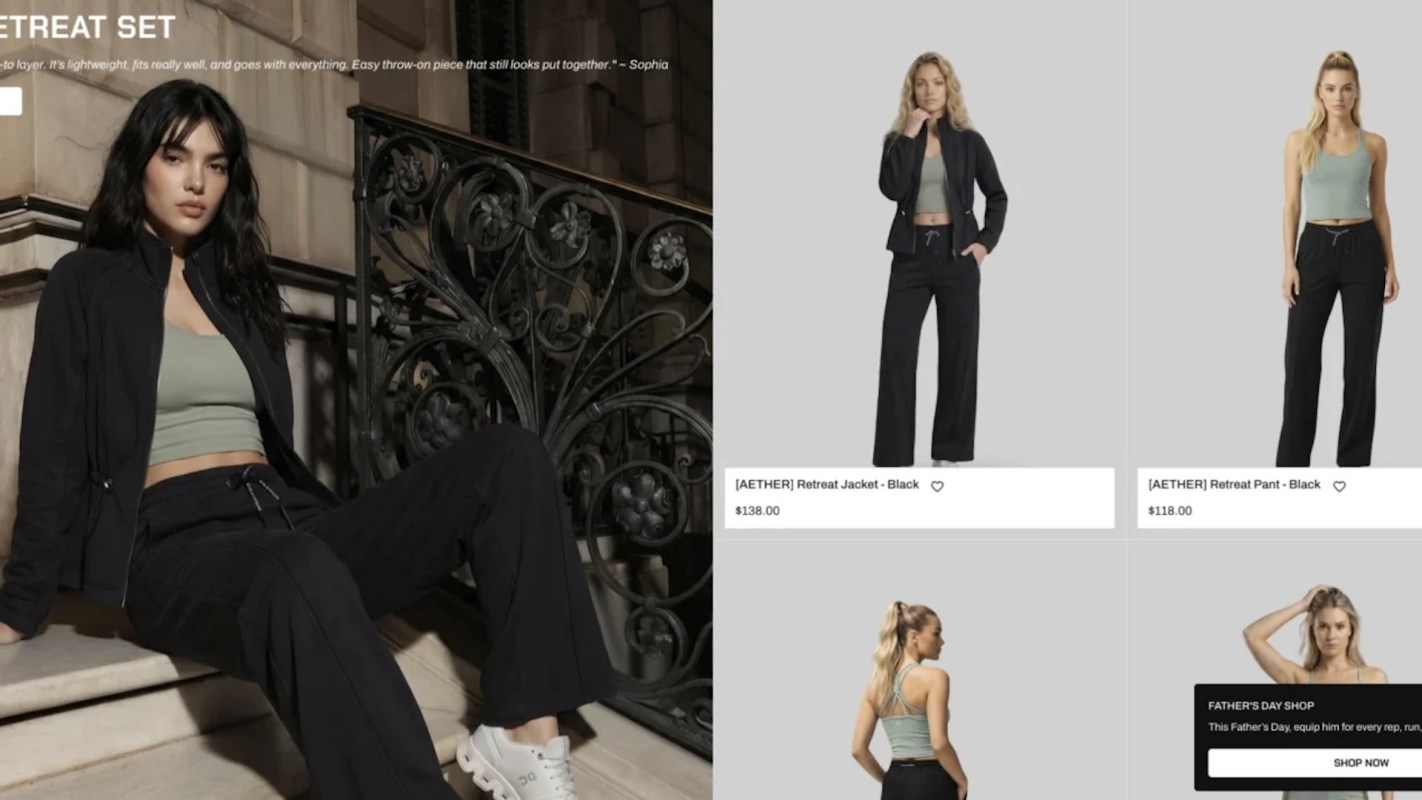
Reviews are underway at the New York attorney general's office, Mashable reported in late August. Among the filings are two anonymous complaints obtained by Straight Arrow News regarding clothing brand Athletifreak and London-based eyewear company Bloobloom over ads that allegedly included AI-generated models or performers without the required disclosure.
New York's Synthetic Performers law took effect on June 9 and applies to companies doing business in the state. Businesses found to be in violation can face fines of up to $1,000 for an initial offense and up to $5,000 for repeat violations.
Marking the law's start, New York Gov. Kathy Hochul previously said, "In New York, we are setting the rules of the road instead of letting AI run the show."
These first complaints could provide an early indication of how aggressively the state plans to enforce transparency in AI-generated advertising as synthetic influencers and deepfake-style marketing become more common.
TCD Picks » Quince Spotlight
💡These best-sellers from Quince deliver affordable, sustainable luxury for all




More background
The desire for transparency over whether the person endorsing a product is real — and whether their appearance, expertise, or personal story was generated using AI — goes right to the heart of consumers' needs for trustworthiness in the businesses they buy from.
Those needs can become even more significant in categories where trust can shape sensitive spending decisions related to health and wellness. If viewers are led to believe an AI-generated "customer" or "expert" is a real person, the line between marketing and deception can blur quickly and problematically.
Some laws already require acknowledgment of paid actors used in certain ads. The Federal Trade Commission has rules against fake reviews and testimonials, for example, and those rules may also be applied to AI-generated content.
At the same time, the broader federal response to AI regulation remains unsettled.
In a July 1 AI policy statement, the FTC criticized what it called "anti-innovation states," according to Mashable, and warned against a patchwork of state-by-state AI laws, raising questions about how state protections and federal priorities may ultimately intersect or conflict.
What's being done?
For now, New York's approach seems straightforward: Ads may use synthetic performers, but companies have to disclose when a model or actor has been generated using AI.
Some companies appear to be taking related steps as well. According to Mashable, for example, Amazon told third-party sellers that AI use in listing images and videos must be disclosed, citing legislation requiring transparency around photorealistic AI-generated people in ads.
Whether New York's law becomes a model for other states may depend on what happens in these early test cases.
Where can I learn more?
New York's first complaints are being filed as regulators and companies wrestle with broader questions surrounding AI transparency. The stories below touch on that tension, from fashion brands using synthetic models to disputes over what AI companies owe the public about their tools:
• Fashion brand Mango drew backlash after replacing human models with AI in marketing imagery.
• In California, lawmakers proposed major new transparency rules for data centers powering the AI boom.
• OpenAI sparked controversy after refusing to disclose details about a new model's environmental impact.
These disputes make clear that AI transparency is no longer a niche policy question. It's becoming a practical issue for advertisers, tech firms, and regulators.

Get TCD's free newsletters for easy tips, smart advice, and a chance to earn $5,000 toward home upgrades. To see more stories like this one, change your Google preferences here.






