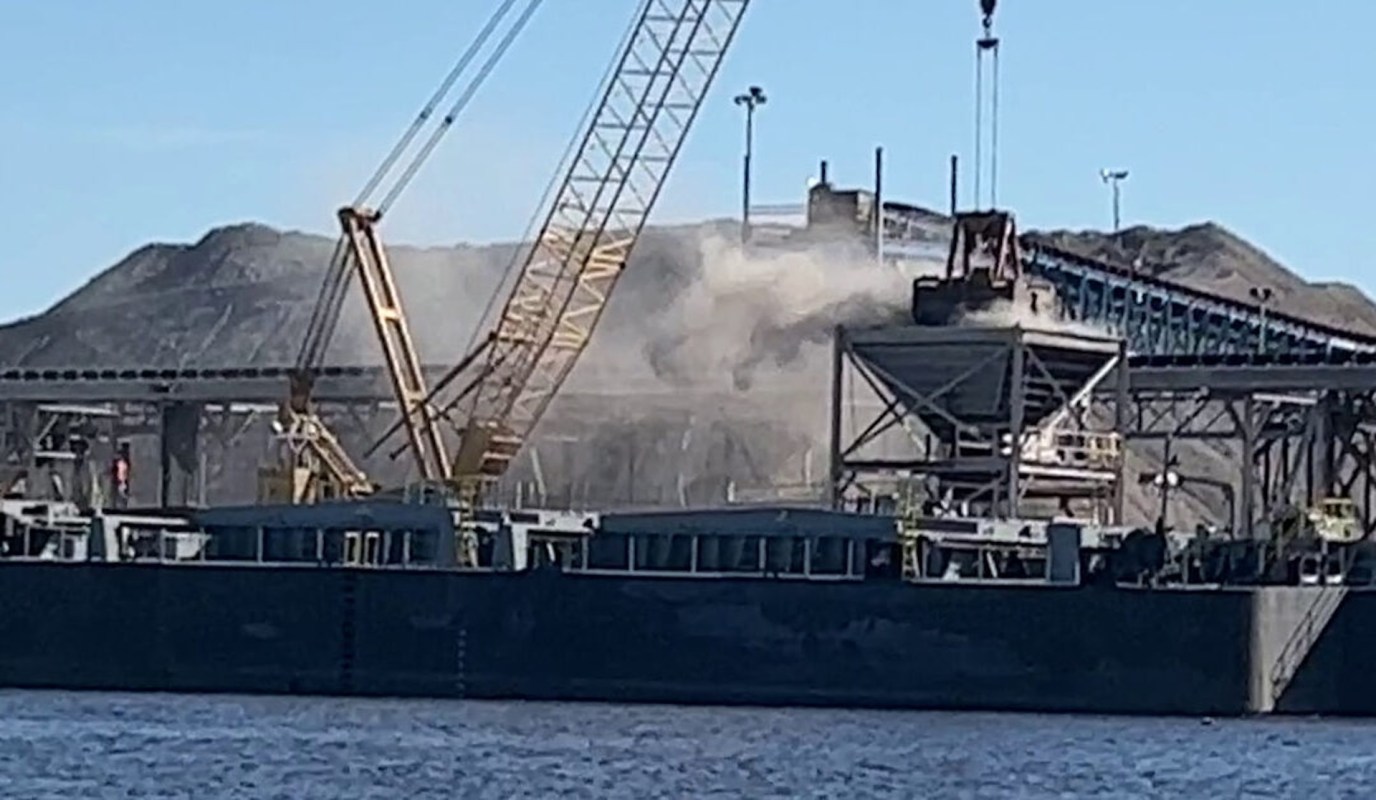
A Florida environmental group has sued the owners of a Jacksonville shipping terminal. It said that coal ash has repeatedly been entering the St. Johns River.
According to Jacksonville.com, St. Johns Riverkeeper filed the case Aug. 19 and alleges Keystone Jacksonville Terminal is contaminating the river through its handling of large amounts of ash.
Here's what to know
At issue is the Keystone Jacksonville Terminal in Jacksonville's Talleyrand area, an industrial stretch along the river. St. Johns Riverkeeper said the facility has processed more than 2 billion pounds of coal ash since 2022.
Coal ash is the waste left behind after coal is burned for electricity, and it can contain toxic metals. Transporting or storing it without strong safeguards can put waterways, wildlife, and nearby communities at risk.
The complaint said those terminal activities amount to an "ongoing and recurring release" of environmentally harmful coal ash into the St. Johns River.
More background
The St. Johns River supports recreation, waterfront businesses, fish and bird habitat, and the quality of life of people living nearby.
TCD Picks » Quince Spotlight
💡These best-sellers from Quince deliver affordable, sustainable luxury for all




When pollution enters a river, its effects do not remain confined to a single industrial site. Waste can drift through the water, settle into sediment, and spread through stormwater, creating cleanup and monitoring challenges beyond a single property line.
What's being done?
Environmental cases like this can lead to court-ordered cleanup, stricter operating requirements, added monitoring, and penalties meant to prevent future violations.
The legal challenge could also increase pressure on both the terminal and regulators to show whether dust controls, runoff barriers, and other safeguards are sufficient.
St. Johns Riverkeeper also argues that the terminal has handled coal ash since 2022 "without complying with many of the federal environmental safeguards governing those activities."
Where can I learn more?
Fights over what gets into waterways rarely end at one riverbank. The St. Johns River case echoes disputes in other places where communities have raised concerns about industrial waste, contamination, and the care with which those operations are being monitored.
• In Atlantic Canada, Cooke Aquaculture faces a massive pollution lawsuit over waste in major waterways.
• Along the Hudson River, a ruling allowed radioactive waste onto beaches near a nuclear plant.
• In Phoenix, residents can report businesses wasting water after repeated losses during desert heat.
They offer a clearer sense of why residents and advocates keep pressing for stronger oversight when water quality, public trust, and long-term cleanup are at stake.

Get TCD's free newsletters for easy tips, smart advice, and a chance to earn $5,000 toward home upgrades. To see more stories like this one, change your Google preferences here.