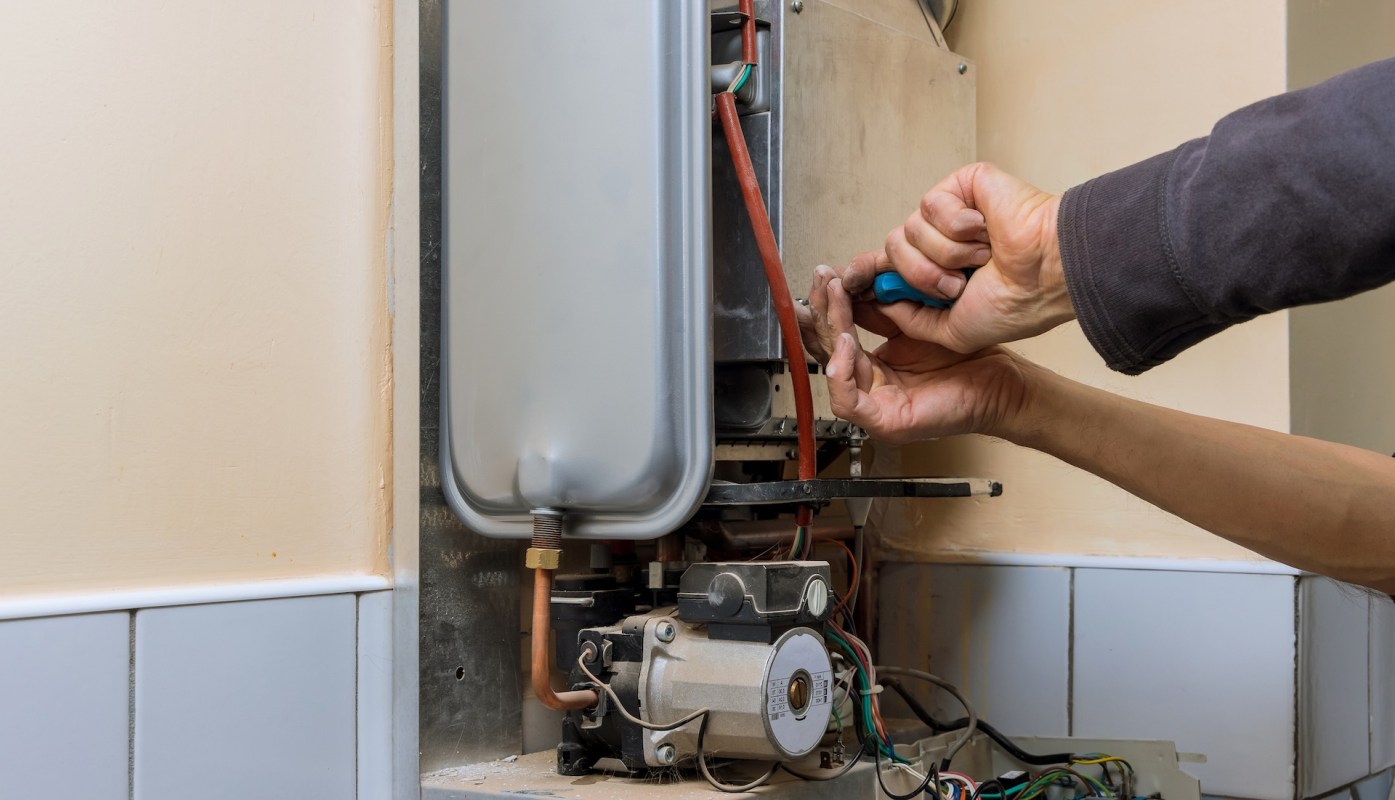
A U.K. homeowner turned to Reddit after a 2009 Vaillant ecoTEC plus 832 boiler started showing F61 and F62 faults, forcing a costly choice: pay hundreds for a repair or spend thousands on a replacement.
Here's what to know
Although the house still had hot water, the heating would not come on. The homeowner said a gas engineer traced the problem to a power-switch replacement that apparently had been done without the required 3-amp fuse, leaving the boiler with serious electrical damage.
The numbers in front of the homeowner were stark: Vaillant's repair plan would cost £73 a month for six months — roughly £441 altogether, including parts and labor — while a full boiler replacement was estimated at £2,600 to £3,200.
Replies to the post leaned heavily in one direction. Users said spending more on an older boiler was hard to justify when a new unit would come with a decade-long warranty.
More background
A £441 fix may feel much easier to absorb than a four-figure replacement, but repeated service calls can quickly narrow that gap. Older boilers can also lose efficiency over time, meaning households may continue paying more to operate a system that remains prone to breakdowns.
There is also the stress of losing a basic home necessity. Having hot water while the heat is out may sound like a partial win, but it still leaves a household scrambling for a solution.
What can be done?
Comparing the repair cost, replacement cost, warranty length, the system's age, and the likelihood that more parts could fail soon can help clarify the choice. If the appliance is already well past the midpoint of its expected lifespan, replacement can sometimes be the less expensive option over a few years rather than a few weeks.
For households replacing aging hot-water equipment, Cala is one company offering a more modern option. Its customizable smart heat pump water heaters help homeowners decrease their energy bills by heating water exactly when it's needed. That approach can reduce wasted energy from constantly maintaining hot water when demand is low.
Save $10,000 on solar panels without even sharing your phone number Want to go solar but not sure who to trust? EnergySage has your back with free and transparent quotes from fully vetted providers in your area. To get started, just answer a few questions about your home — no phone number required. Within a day or two, EnergySage will email you the best options for your needs, and their expert advisers can help you compare quotes and pick a winner. Solar panels can save you more than $50k over their 25-year lifespan, and EnergySage can help you save as much as $10k on installation. Which begs the question — isn't that worth an email or two? |

It also means a forced equipment purchase can become an opportunity to cut ongoing utility costs, not just restore service. Newer systems that use smarter controls and more efficient technology can help households avoid repeated repair bills while improving performance — and Cala is part of that shift.
Most Redditors seemed to be in agreement that the homeowner should opt for a new boiler.
One user said, "If you get a new boiler and it's installed by an accredited installer, you should be able to get a 10-year warranty. If you repair a 17-year-old boiler it will likely need another repair next year."
Another commented, "Cut your losses and fit a new one with a decent length warranty, no drama for 10 years then."
Where can I learn more?
A boiler breakdown like this often points to a bigger question about home energy costs. For anyone deciding whether to repair old equipment or replace it, these articles show how everyday settings and larger upgrades can keep affecting bills long after the immediate problem is fixed.
• In U.K. homes, a major thermostat mistake can quietly send heating bills way up.
• On "Fixer to Fabulous," a tankless water heater swap shaved hundreds off energy bills.
• Across U.S. homes, a smart thermostat upgrade can pay for itself by trimming heating costs.
When a boiler decision comes with a big price tag, that wider context can help. The right replacement or control upgrade can influence the immediate cost calculation and the monthly bills that come after.

Get TCD's free newsletters for easy tips, smart advice, and a chance to earn $5,000 toward home upgrades. To see more stories like this one, change your Google preferences here.